Drama

Here

Robert Zemeckis, 2024

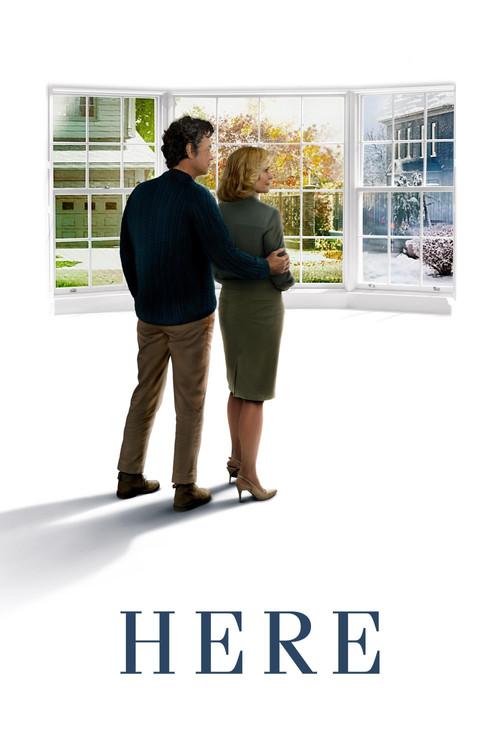
From one fixed view of a single patch of land, the film jumps from the age of dinosaurs to the 2020s, following the families who live in one house. The main thread is a couple played by Tom Hanks and Robin Wright. Worth watching for what a camera that almost never moves can say.

Here (2024) poster

At a glance

Here is a 2024 drama film directed by Robert Zemeckis. This breakdown covers 5 techniques (3 cinematography, 1 narrative and 1 editing), each with the scene where you can see it. If you like how it is made, Reservoir Dogs uses several of the same techniques.

Cinematography

Single-Location Cinematography

Shooting almost the whole film in 1 confined place. Set design and camera movement keep it visually interesting, and the space itself takes on meaning as the story goes on.

How this film uses it

Almost the whole film is one spot, a corner of a living room and the land that was there before the house. Because the camera stays put, the room becomes the main character. You see how many lives pass through one space.

Where to see it

The house: Over time, families live in the same living room, including the Youngs, who buy it in 1945.

Narrative

Non-Linear Narrative

Telling the story out of order by jumping between time periods. The order you see events in changes how you understand them.

How this film uses it

The film jumps between the dinosaurs, a Lenni-Lenape family, a colonial estate and the 1900s through the 2020s. Seeing a moment of joy next to a moment of loss changes how each one lands. You assemble the family history yourself.

Where to see it

The jumps in time: The land passes from dinosaurs and an ice age to the Lenni-Lenape people, then the house and its later tenants.

Editing

Split Screen

Dividing the frame into two or more images shown at once. The panels compare, overlap or accelerate action that single shots could not hold together.

How this film uses it

Windows open in the frame to show other eras in the same spot. A scene in one decade plays beside a scene from another decade. The overlap keeps reminding you that the room has many histories.

Where to see it

The panes: The screen is subdivided into panes that show events from different times simultaneously.

Cinematography

Locked-Off Camera

Fixing the camera in one position with no movement. What you learn comes only from what passes in front of it.

How this film uses it

The camera holds one fixed position for nearly the whole film. Characters walk out of frame and the camera stays. Only at the very end does it start to pan away. You feel the limits of watching from one place.

Where to see it

The living room view: The camera holds one angle on the room while the families come and go.

Cinematography

Digital De-Aging

Using computer effects to make an actor look decades younger, or to build a younger copy of them. The same face plays 2 ages in one scene.

How this film uses it

The film used a tool called Metaphysic Live to de-age Hanks and Wright as the actors performed. It lets the same pair play a teenage couple and an elderly one. Some critics found the effect distracting, so judge it for yourself.

Where to see it

The empty house: In 2024, elderly Richard takes Margaret, who has dementia, to the empty house. He tries to bring back her memories, including the lost blue ribbon.

Questions

Here: quick answers

What filmmaking techniques does Here use?
CineCode breaks down 5 techniques in Here (2024): Single-Location Cinematography, Non-Linear Narrative, Split Screen, Locked-Off Camera and Digital De-Aging.
Who directed Here?
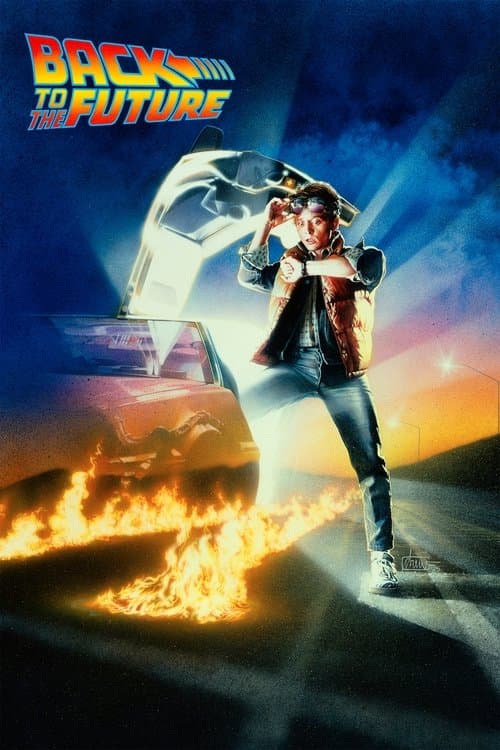
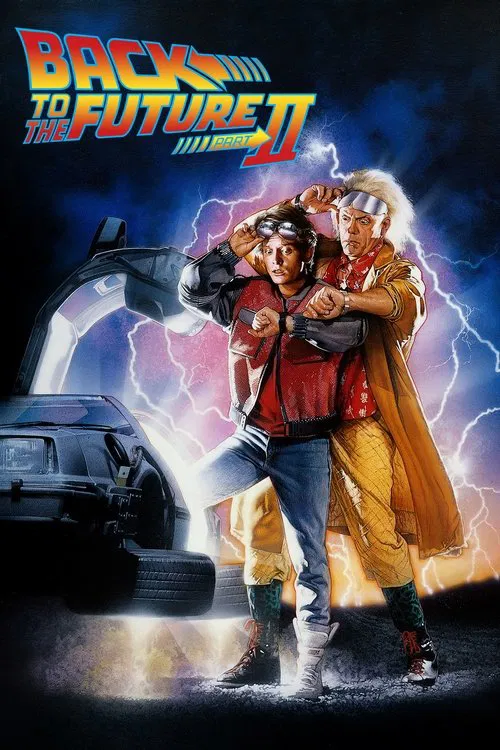
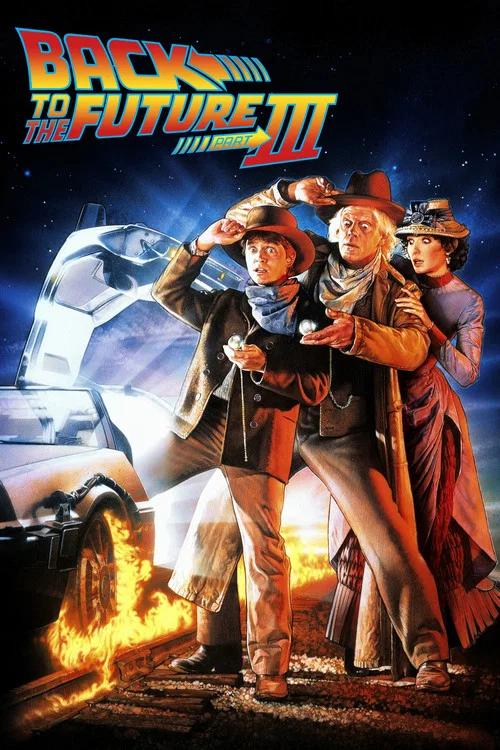
Robert Zemeckis directed Here, released in 2024. CineCode also covers Romancing the Stone (1984), Back to the Future (1985), Who Framed Roger Rabbit (1988), Back to the Future Part II (1989), Back to the Future Part III (1990), Death Becomes Her (1992).
What films are similar to Here?
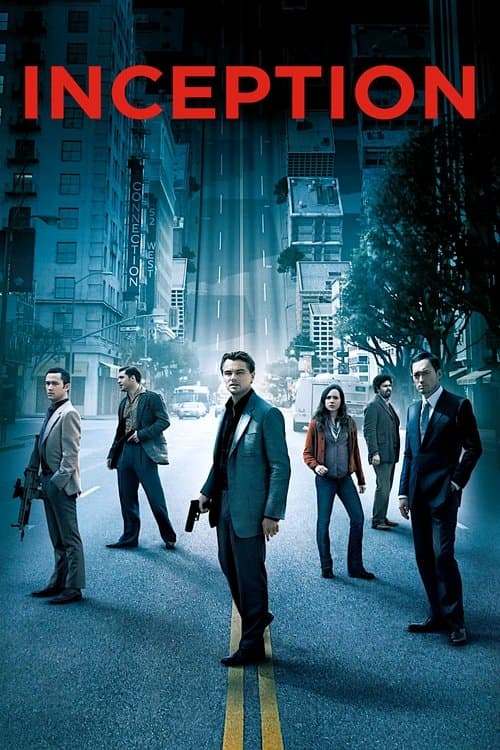
Films that share techniques with Here include Reservoir Dogs (1992), 127 Hours (2010), Inception (2010), Project Hail Mary (2026).