Drama

Requiem for a Dream

Darren Aronofsky, 2000

4 people in Brooklyn each chase a dream through addiction, and each one is destroyed by it. They are a young man, his girlfriend, his best friend and his lonely mother. This is Aronofsky's most experimental film in its style. He uses the tools of cinema to make you feel psychologically violated.

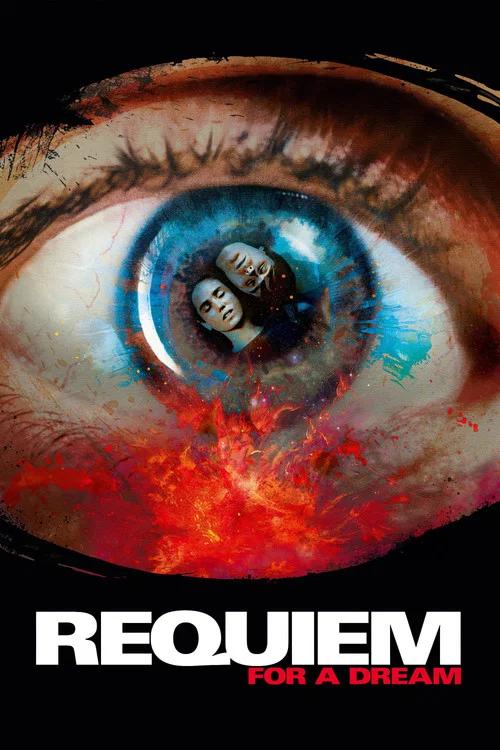
Requiem for a Dream (2000) poster

At a glance

Requiem for a Dream is a 2000 drama film directed by Darren Aronofsky. This breakdown covers 5 techniques (1 editing, 2 cinematography, 1 psychology and 1 sound), each with the scene where you can see it. If you like how it is made, Get Out uses several of the same techniques.

Editing

Split Screen

Dividing the frame into two or more images shown at once. The panels compare, overlap or accelerate action that single shots could not hold together.

How this film uses it

The film uses a 'hip-hop montage', a burst of very fast cuts, whenever its characters use drugs, and it uses split screen extensively. The montages show the same routine again and again: the preparation, the use, the high and the need. By repeating it across the characters, Aronofsky argues that Sara's pill addiction and Harry's heroin addiction work in exactly the same way. Only the substance changes.

Where to see it

The drug montages. You see the characters' rituals side by side, so you learn the pattern of addiction before the film shows you where it leads.

Cinematography

Rigged Camera Placement

Mounting the camera on a body, vehicle or inside an object so it travels with the subject. The attached view puts you inside the ride or the container.

How this film uses it

A Snorricam is a camera strapped to the actor's body and pointed back at them. The rig is named after the Snorri Bros, the Icelandic filmmakers who built it in the 1990s. Aronofsky used it in Pi and pushed it further here. In Sara's scenes, the camera is rigged to Ellen Burstyn, so her face stays fixed in the frame while the world warps behind her. I feel like this is what lets you see her state of mind. The camera shows you what it feels like inside her failing perception.

Where to see it

Sara's scenes during her amphetamine psychosis. Her face stays still and the world warps around her. The Snorricam puts her state of mind directly on screen.

Psychology

Obsession and Compulsion Portrait

Showing a character's fixation or addiction through repeated habits, objects and colors. The compulsion drives the behavior and defines who they are more than any speech could.

How this film uses it

Sara's refrigerator is a villain in this film. She opens it, closes it, resists it, bargains with it and finally gives in. It's the film's longest look at compulsion as a relationship with an object. In her amphetamine psychosis she hallucinates that it attacks her, and the film makes it feel physically threatening.

Where to see it

Sara opening and closing the refrigerator. The editing gives the appliance as much dramatic weight as a character with lines.

Cinematography

Seasonal Color Deterioration

Dividing the film into seasons and shifting the color from warm and rich to cold and washed out. The changing colors track the characters' decline.

How this film uses it

The film is divided into 'Summer', 'Fall' and 'Winter'. Summer looks warm, golden and almost nostalgic. Fall cools down. Winter is blue-gray and washed out, with all the warmth gone. The colors tell the same story as the addiction. The warmth was always heading somewhere colder, and each chapter marks a stage of the descent.

Where to see it

The cut from Fall to Winter. The colors turn colder, so you see things getting worse before anything in the plot confirms it.

Sound

Leitmotif

Repeating a short piece of music or a sound every time a certain character, idea or feeling comes up. You learn to connect the 2.

How this film uses it

'Lux Aeterna' by Clint Mansell is the film's leitmotif, and the Kronos Quartet performs the string quartet arrangements. Mansell never brings in a new theme. He only pushes harder on what was already there. The score itself seems addicted to 1 melody.

Where to see it

The film's climactic montage. All 4 storylines hit their lowest point at the same time, just as the score reaches its most intense.

Questions

Requiem for a Dream: quick answers

What filmmaking techniques does Requiem for a Dream use?
CineCode breaks down 5 techniques in Requiem for a Dream (2000): Split Screen, Rigged Camera Placement, Obsession and Compulsion Portrait, Seasonal Color Deterioration and Leitmotif.
Who directed Requiem for a Dream?
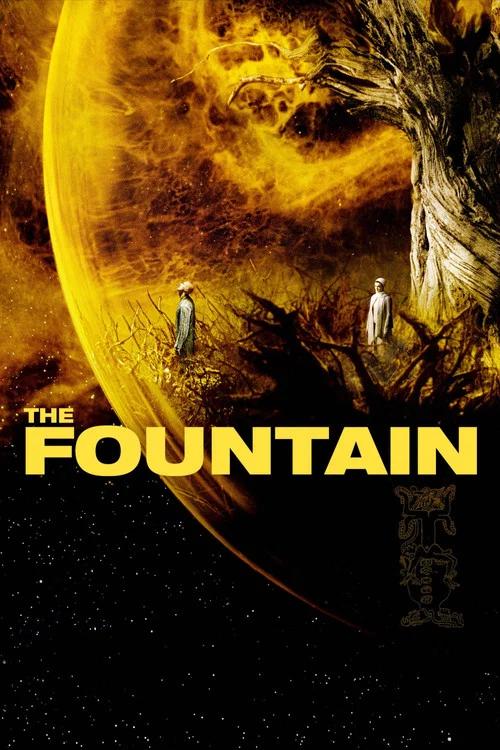
Darren Aronofsky directed Requiem for a Dream, released in 2000. CineCode also covers Pi (1998), The Fountain (2006), The Wrestler (2008), Black Swan (2010), Noah (2014), mother! (2017).
What films are similar to Requiem for a Dream?
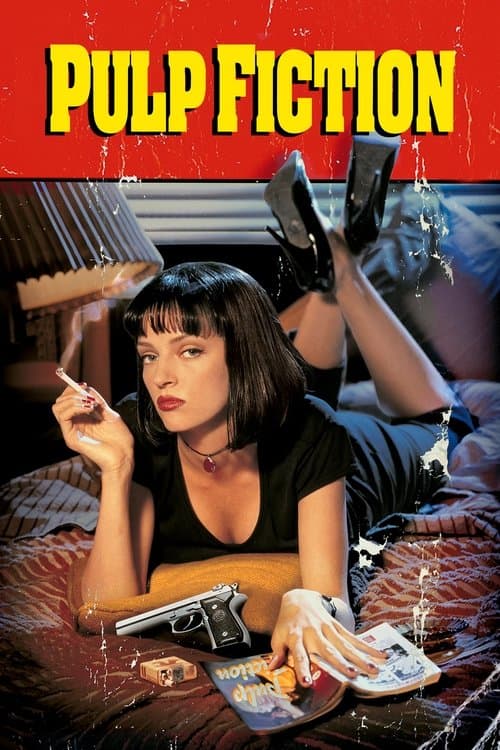
Films that share techniques with Requiem for a Dream include Get Out (2017), Black Swan (2010), Pulp Fiction (1994), Star Wars: The Empire Strikes Back (1980).