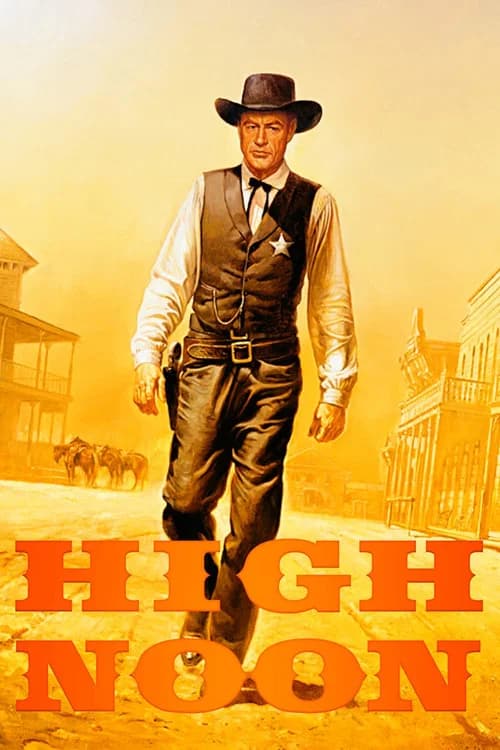
On his wedding day, Marshal Will Kane learns that a killer he put away is arriving on the noon train. The town he protected abandons him completely, and he waits alone to face the men who will try to kill him. Fred Zinnemann's film is an allegory, a story with a second meaning, about cowardice in the McCarthy era. It runs in near real time.
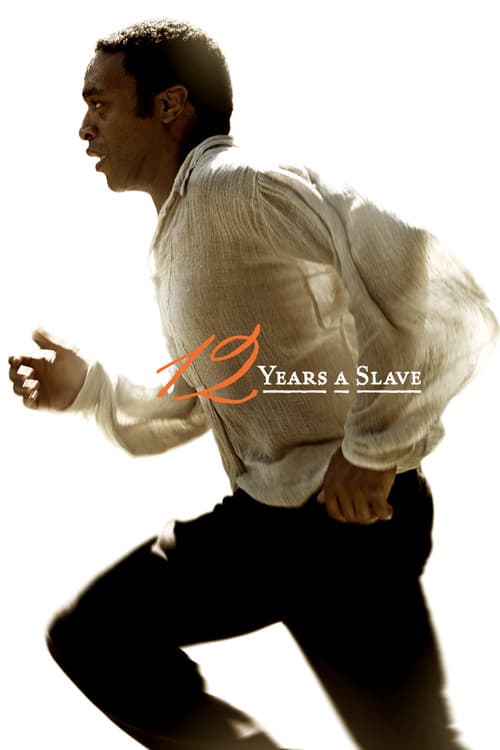
High Noon is a 1952 western and drama film directed by Fred Zinnemann. This breakdown covers 4 techniques (3 narrative and 1 sound), each with the scene where you can see it. If you like how it is made, 12 Years a Slave uses several of the same techniques.
Building the story around a clear deadline the hero must beat. The time pressure and the obstacles grow with each scene until the climax.
How this film uses it
Zinnemann turns the arrival of the noon train into a literal countdown. Clocks keep showing up in the frame. The film's runtime nearly matches the time that passes in the story, so you watch the minutes drain away with the same dread as Kane.
Where to see it
The repeated shots of the clock on the marshal's office wall. You watch the time go by as the townspeople refuse, one by one, to stand beside him.
Writing a conflict with no villain whose defeat would fix things. Every side has real reasons, and the harm comes from ordinary people protecting themselves, so nothing resolves cleanly.
How this film uses it
The town's refusal to help Kane never plays as villainous, because each person has a reason you can understand. The film's real subject is how cowardice works when everyone agrees. Every individual excuse adds up to a whole community abandoning him.
Where to see it
The church scene. The townspeople debate whether to help, and each argument is reasonable. The decision they reach together is damning, and no single person owns it.
Removing music, background sound or dialogue from a moment where most films would fill it. The quiet forces you to sit with what is on screen.
How this film uses it
Dimitri Tiomkin's 'Do Not Forsake Me' ballad plays over the credits and comes back as a recurring motif. Between those moments Zinnemann lets the town fall silent as it deserts Kane. You feel the horror of what the town is doing in the silence.
Where to see it
Kane looking across the empty street as no one will stand with him. The camera rises to show him alone in a deserted town. The silence of the town deserting him is louder than any score.
Watching events from a measured distance with no swelling music, tear-jerking close-ups or showy camera moves. The film trusts what happens to carry the weight on its own.
How this film uses it
Zinnemann never comments on McCarthyism or cowardice directly. The second meaning comes entirely through the logic of the Western situation. He trusts the drama to make the political point.
Where to see it
Kane's face after yet another refusal. The camera does not need him to say what he feels. The rejections pile up and make you feel it without any commentary.
Questions
High Noon: quick answers
What filmmaking techniques does High Noon use?
CineCode breaks down 4 techniques in High Noon (1952): Ticking Clock Structure, Moral Complexity Without Villains, Strategic Silence and Observational Restraint.
Who directed High Noon?
Fred Zinnemann directed High Noon, released in 1952. CineCode also covers From Here to Eternity (1953).
What films are similar to High Noon?
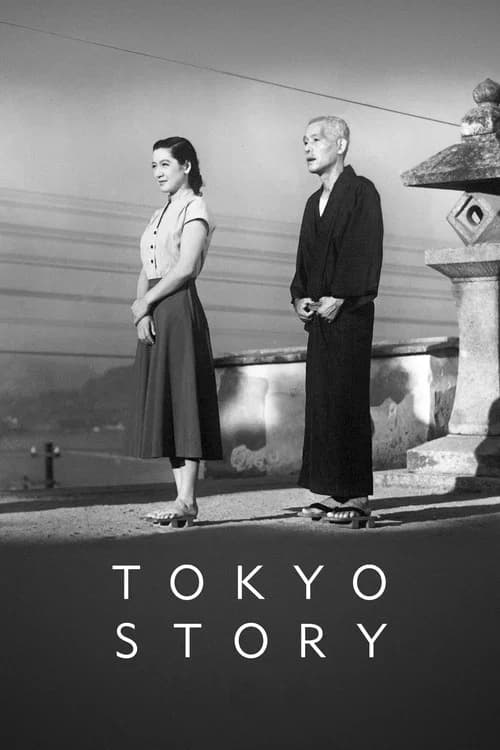
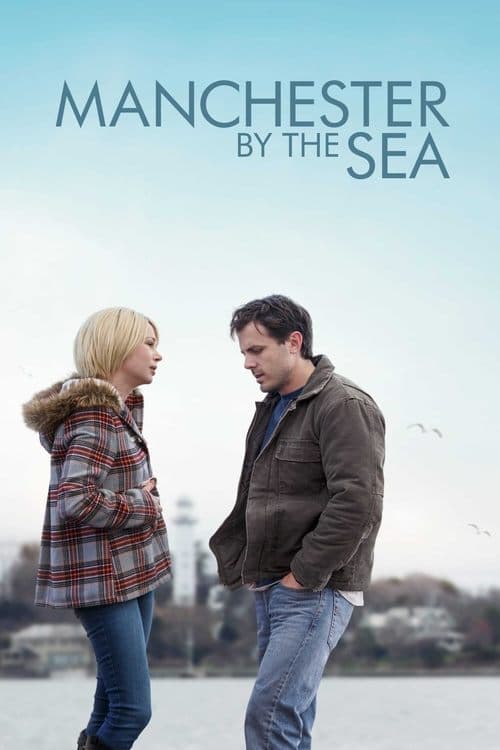
Films that share techniques with High Noon include 12 Years a Slave (2013), Tokyo Story (1953), A Ghost Story (2017), Manchester by the Sea (2016).