The bomb under the table
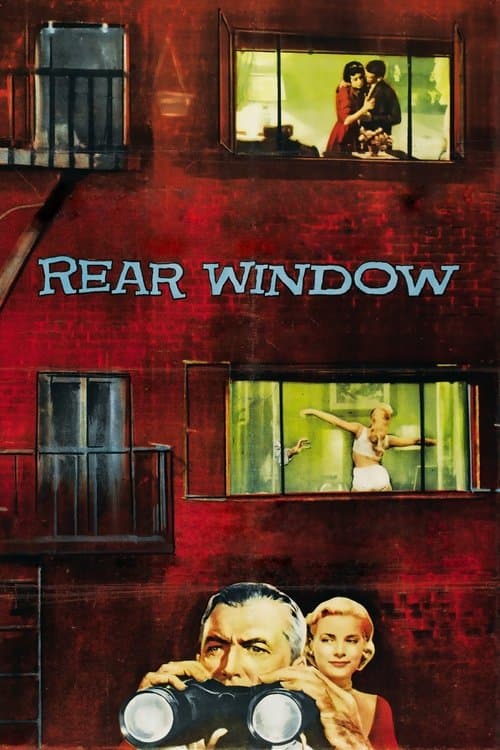
Rear Window (1954) is the cleanest example. Once you're sure Thorwald is a murderer, every scene involving him gets heavier. The worst one is Lisa going into his apartment. Thorwald comes back home. You can see it and Lisa can't, and Jeff can only watch, which is exactly where you are too.
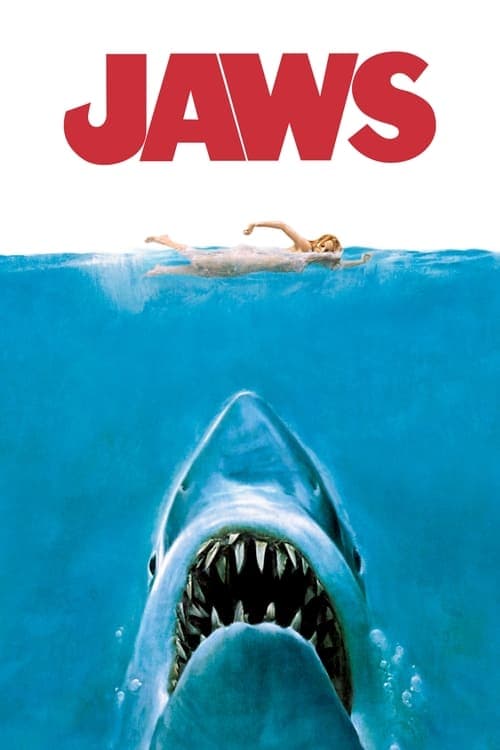
Jaws (1975) runs the same trick at the beach. Spielberg keeps the shark off screen for most of the film, so you don't need to see it to know it's out there. When a fin heads toward the swimmers and the people on shore have no idea, a normal beach day turns into dread.
Hiding the danger in plain sight
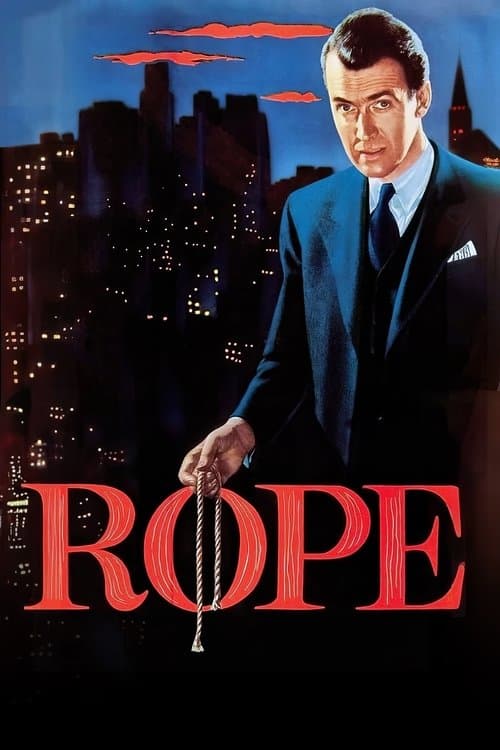
Rope (1948) tells you everything in the first minute. There's a body in a chest, and then a dinner party starts around it. The chest gets used as a buffet table. Books and candles are stacked right on top of it. You know what's inside and the guests don't, and the film gives you no break from that, since it plays in real time.
The party also works as a clock. If the night ends quietly, the killers have gotten away with it. Each time Rupert's questions drift close to the truth, you feel it. When he comes back to the apartment at the end, the safe time has run out.
Dramatic irony pointed at a relationship
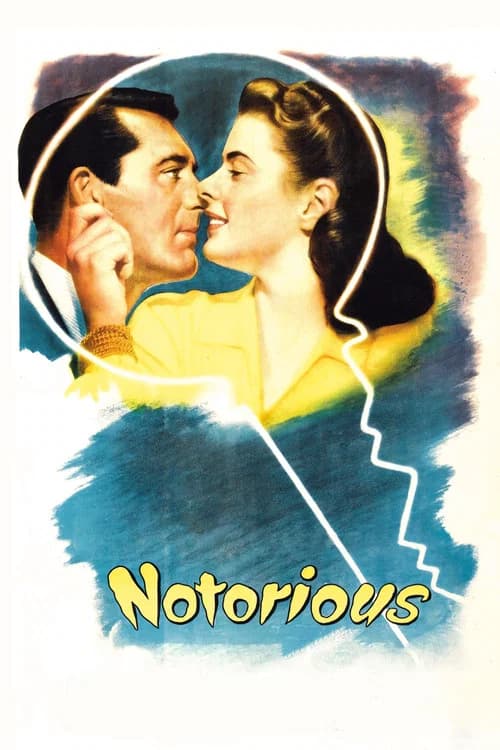
Dramatic irony is when the audience knows more than a character. In Notorious (1946), you know Alicia is working for American intelligence, and Sebastian doesn't. Every tender moment between them has that gap inside it. When Sebastian finally learns the truth, the irony flips around. What you knew is now the thing putting Alicia in danger, and Devlin has no idea how bad it's gotten.
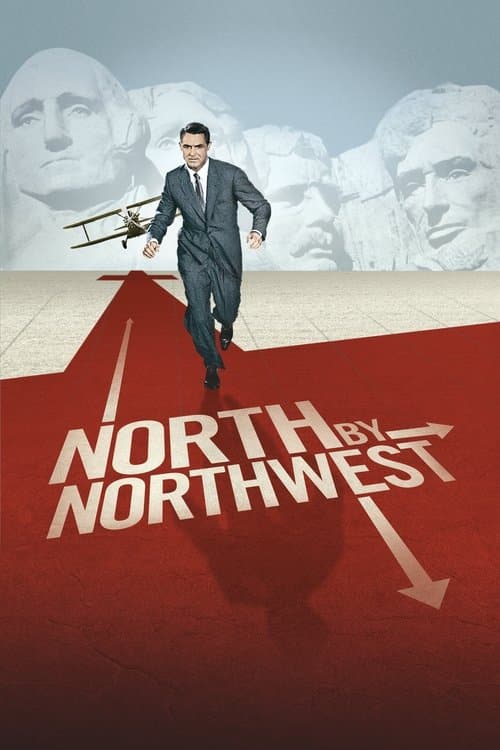
North by Northwest (1959) does it with Eve. You learn she works for Vandamm well before Thornhill does. When she gives him directions to go meet Kaplan, you know she's sending him to his death. She's warm to him in that scene. That warmth is what makes it so hard to sit through.
The ticking clock
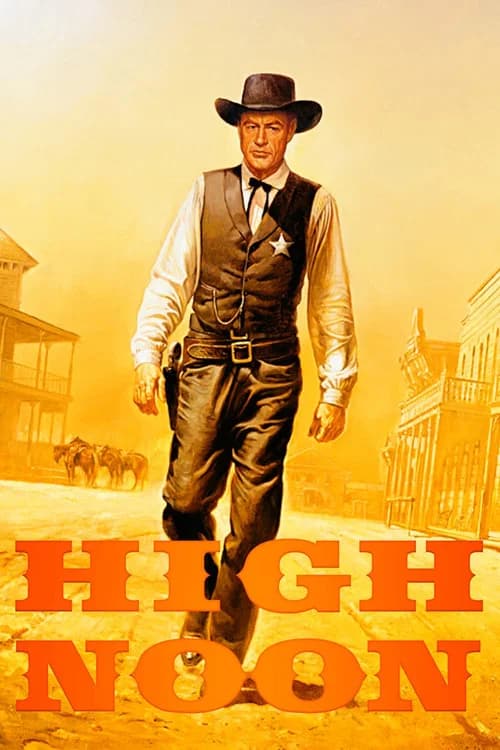
A ticking clock gives the story a deadline you can measure. High Noon (1952) makes it literal. The noon train is coming, clocks keep turning up in the frame and the running time is close to the time that passes in the story. You watch the minutes drain as the townspeople turn Kane down one by one. By the time he walks the empty main street alone, the clock has done most of the work.
Uncut Gems (2019) stacks clocks on top of each other. The opal has to be back before the auction, and the debt has to be paid before the enforcers show up. There's a bet to place before tip-off as well. Howard keeps almost getting what he needs, and something keeps taking it away. No scene runs without a countdown.

Letting you see more than the hero
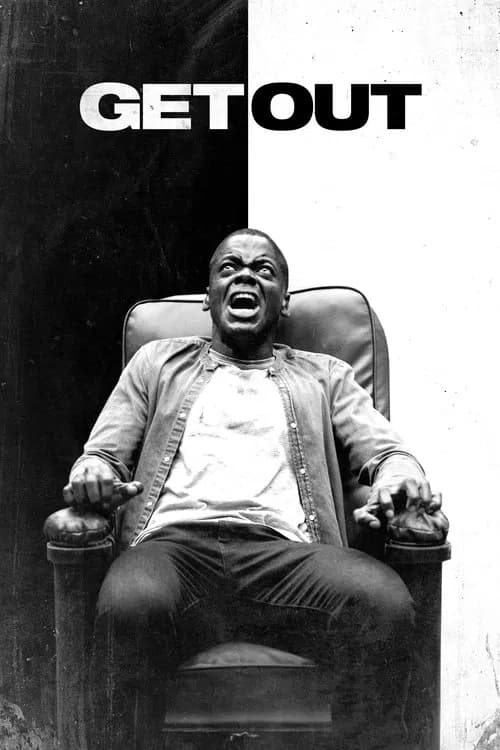
Get Out (2017) mixes both tools. From the opening scene, the film shows you warning signs that Chris only half notices. You understand the hypnosis and the sunken place before he does, and that gap keeps the tension up for pretty much the whole film.
Alongside that, the film plants small things early: cotton stuffing in a chair's armrests, a deer antler, a friend's TSA job and a broken camera flash. Each one comes back during the escape as something Chris needs to survive. On a rewatch, you get to enjoy spotting them, which is its own kind of suspense.
How to use this when you watch
When a scene makes you tense, stop and ask 2 questions. What do you know that the characters don't? Is there a deadline running, even a quiet one? Most suspense scenes answer yes to at least one of them, and the strongest ones usually answer yes to both.
More guides
- Film Noir Lighting Explained: 8 Films That Nail It
- Unreliable Narrator Movies Explained: 9 Films That Fool You
- Non-Linear Movies Explained: 8 Films Told Out of Order
- Long Takes and Oners Explained: 9 Famous One-Shot Scenes
- How Color Tells the Story: 9 Films With Meaningful Palettes
- Best Films to Study Cinematography: 10 Films and What to Watch