Thriller · Mystery

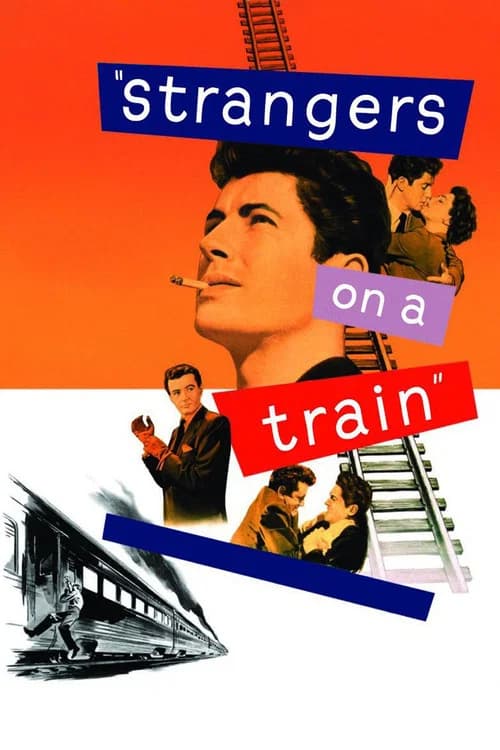
Strangers on a Train

Alfred Hitchcock, 1951

A psychopath meets a tennis pro by chance on a train and proposes that they swap murders. When he carries out his half of the deal, he expects the same in return. Hitchcock adapted Patricia Highsmith's novel. The film studies how being close to someone evil can stain you too.

Strangers on a Train (1951) poster

At a glance

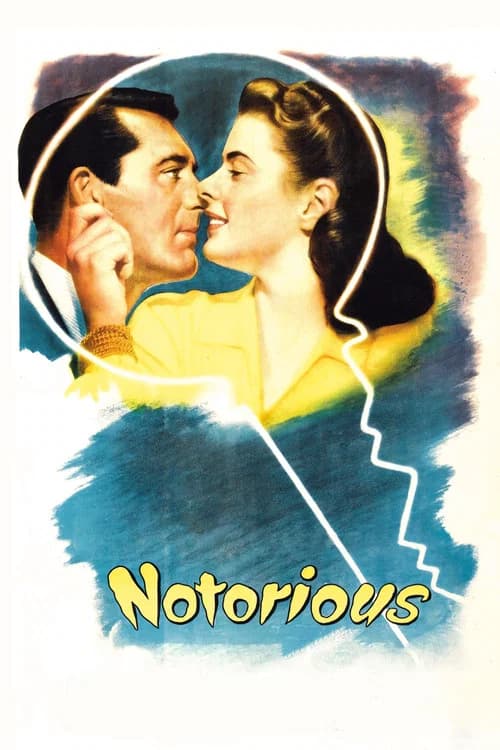
Strangers on a Train is a 1951 thriller and mystery film directed by Alfred Hitchcock. This breakdown covers 4 techniques (1 psychology, 1 narrative, 1 cinematography and 1 editing), each with the scene where you can see it. If you like how it is made, Notorious uses several of the same techniques.

Psychology

Psychological Doubling

Pairing the main character with a second character who mirrors them. The double shows what the hero wants, fears or secretly is.

How this film uses it

Bruno Anthony is Guy Haines' dark side in the flesh. He is the man who will do what Guy has fantasized about but never acted on. Hitchcock stages the film to show how much the 'respectable' person owes to the 'criminal' one.

Where to see it

The opening shots of 2 pairs of shoes walking to the train, cut so they mirror each other. You can see the doubling right there on screen before you see either face.
Narrative

The Bomb Under the Table

Showing the audience a danger the characters can't see, like a bomb under a table. An ordinary conversation becomes unbearable suspense, where an unannounced blast would only be a surprise.

How this film uses it

You watch Bruno follow Guy's wife Miriam to the fairground knowing exactly what he intends. The carousel and the strangulation shown in a reflection are all suspense that comes from knowing in advance. It runs for minutes.

Where to see it

Bruno following Miriam through the amusement park. You know what he plans to do. You watch helplessly as the evening heads toward the only way it can end.

Cinematography

Voyeuristic Implication

Placing the camera like a hidden watcher, looking through peepholes, around corners and from concealed spots. You become part of the spying, which makes watching feel morally uneasy.

How this film uses it

Hitchcock stages the murder as a reflection in Miriam's fallen glasses. You watch it through the warped lens. Framing it this way makes the act of watching feel like part of the crime.

Where to see it

The strangulation reflected in Miriam's thick glasses lying on the grass. You can only see the murder through the victim's own distorted lens.

Editing

Match Cut as Thematic Argument

Cutting between 2 images that look alike in order to connect what they mean. The match gives you an idea about how the 2 things relate, on top of a smooth transition.

How this film uses it

Hitchcock cuts back and forth between Guy and Bruno so their actions line up. In the climax, Guy has to win a tennis match fast so he can get to Metcalf. At the same time, Bruno is straining to reach his dropped lighter down a storm drain. The 2 struggles are cut so tightly together that they feel like one race.

Where to see it

The tennis match and the storm drain. The film keeps cutting between Guy rushing to finish at Forest Hills and Bruno stretching his fingers toward the lighter through the grate.

Questions

Strangers on a Train: quick answers

What filmmaking techniques does Strangers on a Train use?
CineCode breaks down 4 techniques in Strangers on a Train (1951): Psychological Doubling, The Bomb Under the Table, Voyeuristic Implication and Match Cut as Thematic Argument.
Who directed Strangers on a Train?
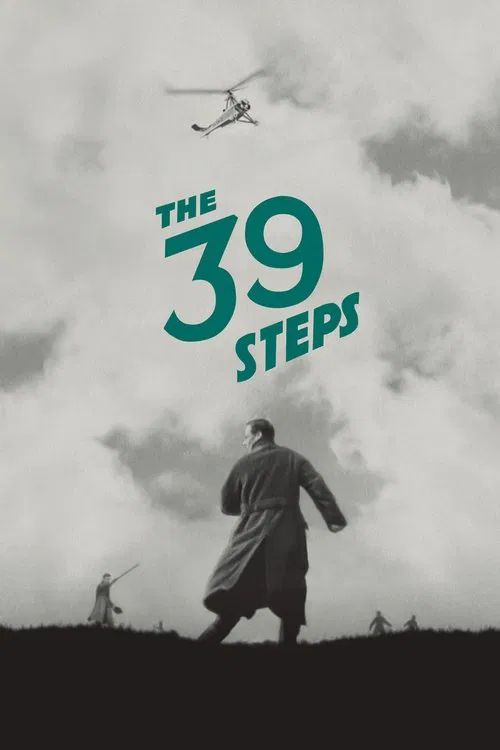
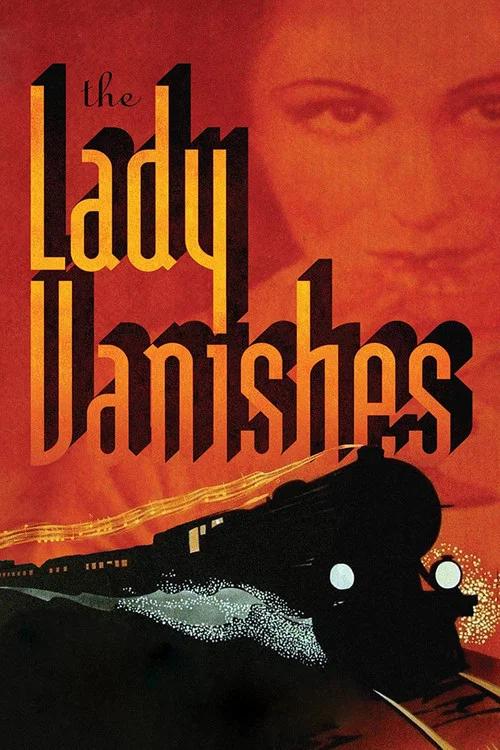
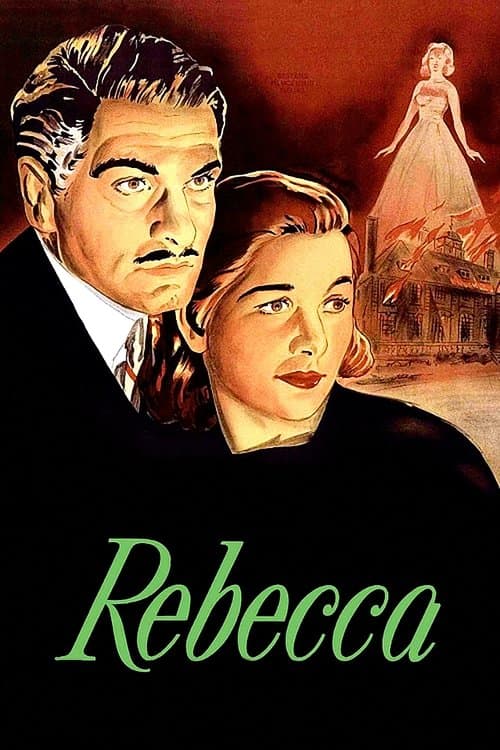
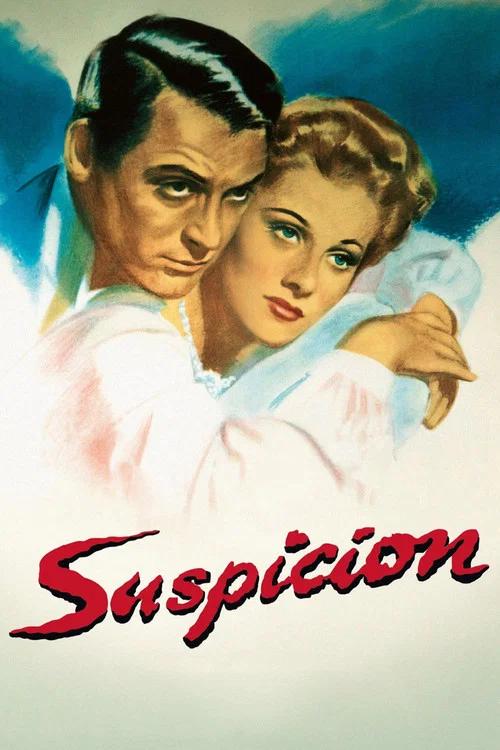
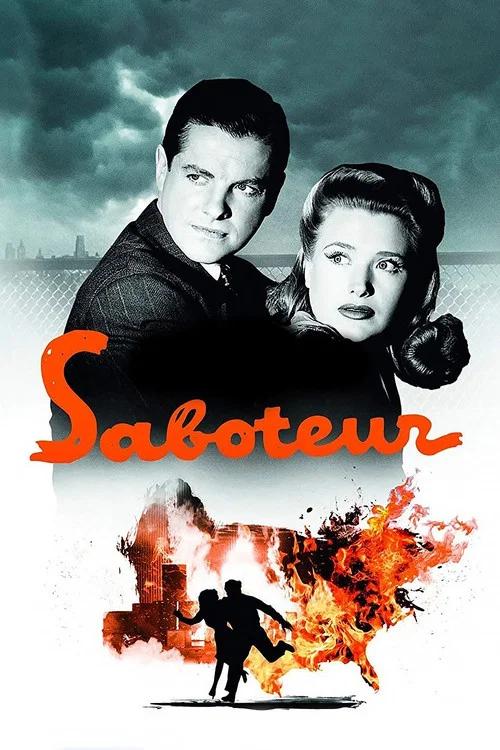
Alfred Hitchcock directed Strangers on a Train, released in 1951. CineCode also covers The 39 Steps (1935), The Lady Vanishes (1938), Rebecca (1940), Suspicion (1941), Saboteur (1942), Shadow of a Doubt (1943).
What films are similar to Strangers on a Train?
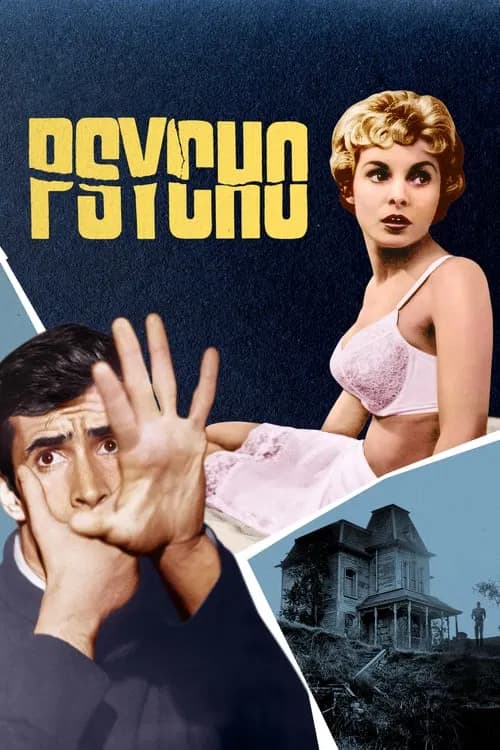
Films that share techniques with Strangers on a Train include Notorious (1946), Stoker (2013), Black Swan (2010), Psycho (1960).