Narrative technique · used in 8 films

Moral Complexity Without Villains

Writing a conflict with no villain whose defeat would fix things. Every side has real reasons, and the harm comes from ordinary people protecting themselves, so nothing resolves cleanly.

Examples

8 films that use it

  1. High Noon (1952) poster

    High Noon

    Fred Zinnemann · 1952

    The town's refusal to help Kane never plays as villainous, because each person has a reason you can understand. The film's real subject is how cowardice works when everyone agrees. Every individual excuse adds up to a whole community abandoning him.

    Where to see it: The church scene. The townspeople debate whether to help, and each argument is reasonable. The decision they reach together is damning, and no single person owns it.
  2. Crimes and Misdemeanors (1989) poster

    Crimes and Misdemeanors

    Woody Allen · 1989

    Judah is a respected man, a loving father and a philanthropist, and there is nothing monstrous about him. He commits his crime to protect the life he has built, and he takes no pleasure in cruelty. The horror of the film is how normal the killer is.

    Where to see it: Judah's fantasy of a family seder at his childhood home, where his devout father argues for God's justice. The father stands for a moral code. The son has discovered that the code only promises consequences and does nothing to prevent the crime.

  3. Husbands and Wives (1992) poster

    Husbands and Wives

    Woody Allen · 1992

    Nobody here is a monster. Jack and Sally, and Gabe and Judy, hurt each other through fear, pride and loneliness. Gabe sees a student, Rain, drawn to him and decides against it to spare them both. No one is punished or forgiven in a neat way.

    Where to see it: Gabe and Rain at her birthday party. They share a romantic moment, and Gabe chooses not to pursue it.

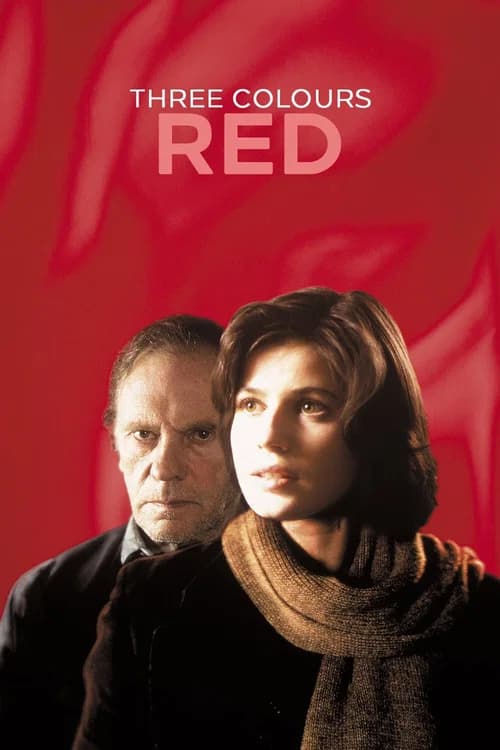
  4. Three Colors: Red (1994) poster

    Three Colors: Red

    Krzysztof Kieślowski · 1994

    The judge's wiretapping is indefensible and understandable at the same time. Kieślowski refuses to condemn the man. The judge listens to his neighbors out of the same loneliness that makes Valentine seek him out.

    Where to see it: Valentine discovering the judge's surveillance equipment and confronting him. The film never settles whether his invasion of privacy can be forgiven. I feel like both answers are equally true.

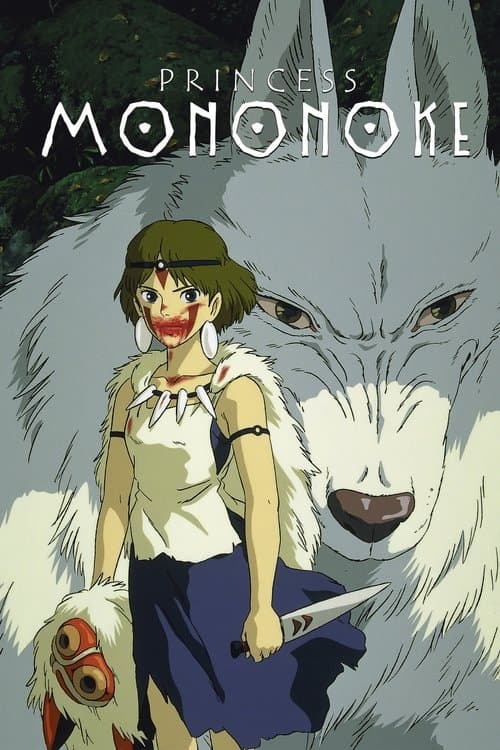
  5. Princess Mononoke (1997) poster

    Princess Mononoke

    Hayao Miyazaki · 1997

    Lady Eboshi is building a community for people with nowhere else to go, and she fights the forest to do it. San is defending her home and her gods. Neither of them is evil or unreasonable, and Ashitaka sees both sides. Miyazaki refuses to settle the conflict neatly, because it mirrors a real tragedy in history and in nature.

    Where to see it: Ashitaka's refusal to choose sides. He is forced to watch a war where both sides are right.

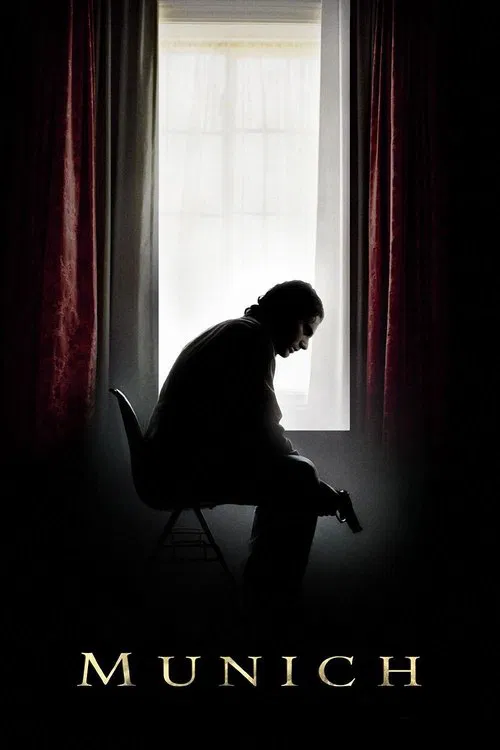
  6. Munich (2005) poster

    Munich

    Steven Spielberg · 2005

    Both sides in the film have people who believe they are right and people who suffer. Avner's team debates whether the targets are guilty and whether the killing will stop anything. Nobody gives a speech that settles the question.

    Where to see it: The team's debate: Avner and the others argue over their mission after another killing and ask what it will achieve.

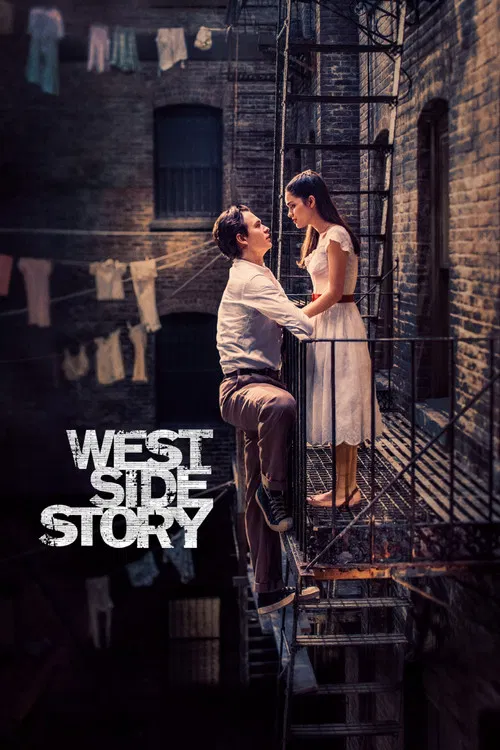
  7. West Side Story (2021) poster

    West Side Story

    Steven Spielberg · 2021

    You can read the gang war as a fight between 2 groups who both have something to lose. Both sides are about to lose the same blocks to demolition. Nobody's defeat would fix anything, and the pride and fear on each side cost lives.

    Where to see it: The rumble: In a salt warehouse, Bernardo kills Riff and Tony, who had tried to stop the fight, kills Bernardo.

  8. A House of Dynamite (2025) poster

    A House of Dynamite

    Kathryn Bigelow · 2025

    There is no villain on screen to stop. Everyone has a reason, from the advisor who wants to wait for the missile's origin to the general who recommends immediate retaliation. The danger comes from the system and from ordinary people doing their jobs.

    Where to see it: The President's choice: He is divided between Baerington's advice against retaliation and Brady's advice supporting it, and he cannot decide.

Questions

Quick answers

What is moral complexity without villains in film?
Writing a conflict with no villain whose defeat would fix things. Every side has real reasons, and the harm comes from ordinary people protecting themselves, so nothing resolves cleanly.
Which films use moral complexity without villains?
High Noon (1952), Crimes and Misdemeanors (1989), Husbands and Wives (1992), Three Colors: Red (1994), Princess Mononoke (1997), Munich (2005) and 2 more films in the CineCode library.
What kind of technique is moral complexity without villains?
It is a narrative technique. Related narrative techniques include Parallel Chronology, Ticking Clock Structure, Observational Restraint.