Comedy

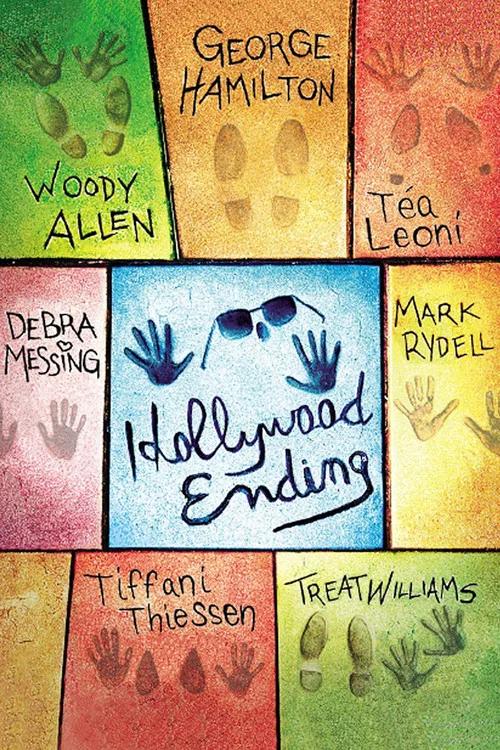
Hollywood Ending

Woody Allen, 2002

A washed-up film director gets one last shot at a big studio movie, offered by his ex-wife and the executive who stole her. Then he goes psychosomatically blind just before shooting starts and hides it from everyone. Worth watching for how Woody Allen turns the fear of being found out into a farce about the film business.

Hollywood Ending (2002) poster

At a glance

Hollywood Ending is a 2002 comedy film directed by Woody Allen. This breakdown covers 4 techniques (1 narrative, 2 psychology and 1 sound), each with the scene where you can see it. If you like how it is made, The Departed uses several of the same techniques.

Narrative

Hollywood Self-Indictment

Making a film that criticizes the film industry from the inside. It shows the cruelty under the glamour of stardom and how easily talent gets thrown away.

How this film uses it

The job comes from Val's former wife Ellie and her boyfriend Hal, the studio head who took her from him. Allen plays a director who has fallen to shooting commercials, so the film pokes at an industry where a name and a budget count for more than vision. The movie Val makes while blind flops in the United States and is a hit in France. Read one way, the joke is on how little anyone can tell.

Where to see it

The ending. Val's blind-directed blockbuster bombs at home, then France loves it, and he says the line "Thank God the French exist."
Psychology

Performance Anxiety as Theme

Centering the film on a character who has to keep performing, on stage or under a false identity. They fear being exposed and slowly lose track of who they really are.

How this film uses it

Val has to keep acting like a director in front of the cast and crew while he cannot see anything. His agent Al helps him cover it up. Every scene on set becomes a test of whether he will be found out, which is where the laughs come from.

Where to see it

The shoot. Val hides his blindness from the cast, the crew and Hal while production goes on around him.

Psychology

Trauma Shaping Perception

Letting a character's past damage change what they see or feel in the present. Symptoms and visions act as metaphors for what happened.

How this film uses it

Val goes blind right before production starts, when the pressure of the job is highest. When he wins back Ellie and reconnects with his son, he regains his sight. You can read the blindness as his fear of failing made physical.

Where to see it

Just before shooting. Val is struck blind as the big film is about to begin, with no medical reason.

Sound

Vintage Recording Score

Scoring a film with existing recordings from decades past, such as jazz or popular standards, in place of newly written music. The songs set a period mood.

How this film uses it

The soundtrack leans on jazz and popular recordings from between 1916 and 1955, with no newly written score. The old songs give the film a nostalgic feel. They sit easily beside Val's neurotic spiral.

Where to see it

Throughout the film. Old jazz and standards play under Val's scenes in the city while his problems pile up.

Questions

Hollywood Ending: quick answers

What filmmaking techniques does Hollywood Ending use?
CineCode breaks down 4 techniques in Hollywood Ending (2002): Hollywood Self-Indictment, Performance Anxiety as Theme, Trauma Shaping Perception and Vintage Recording Score.
Who directed Hollywood Ending?
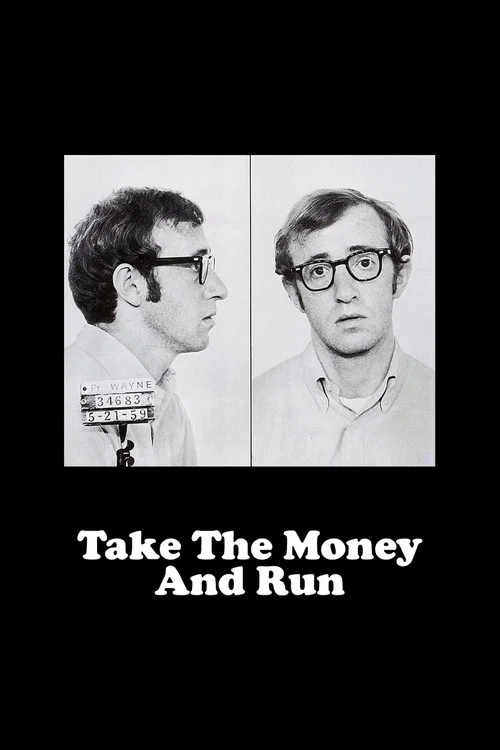
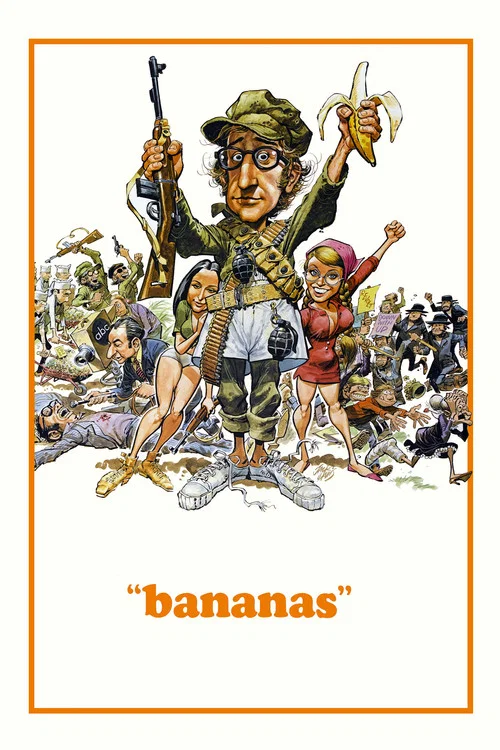
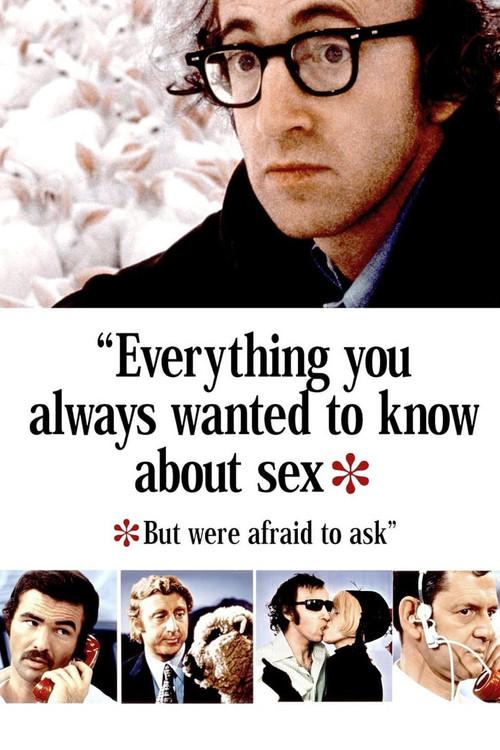
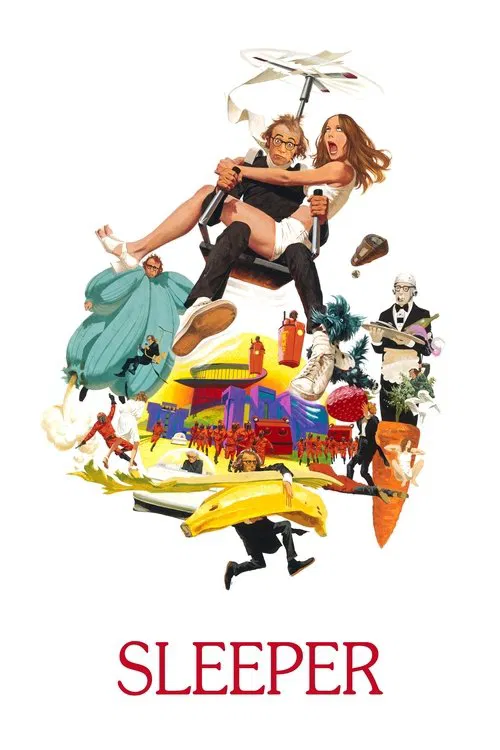
Woody Allen directed Hollywood Ending, released in 2002. CineCode also covers Take the Money and Run (1969), Bananas (1971), Everything You Always Wanted to Know About Sex *But Were Afraid to Ask (1972), Sleeper (1973), Love and Death (1975), Annie Hall (1977).
What films are similar to Hollywood Ending?
Films that share techniques with Hollywood Ending include The Departed (2006), Sunset Boulevard (1950), Once Upon a Time in Hollywood (2019), Singin' in the Rain (1952).