Drama · Film Noir

Sunset Boulevard

Billy Wilder, 1950

A failed screenwriter becomes the kept man of a former silent film star who is lost in her delusions. He narrates his own death in flashback from the very beginning. It's a sour story about Hollywood, where the dream factory is put on trial by the people it used up.

Sunset Boulevard (1950) poster

At a glance

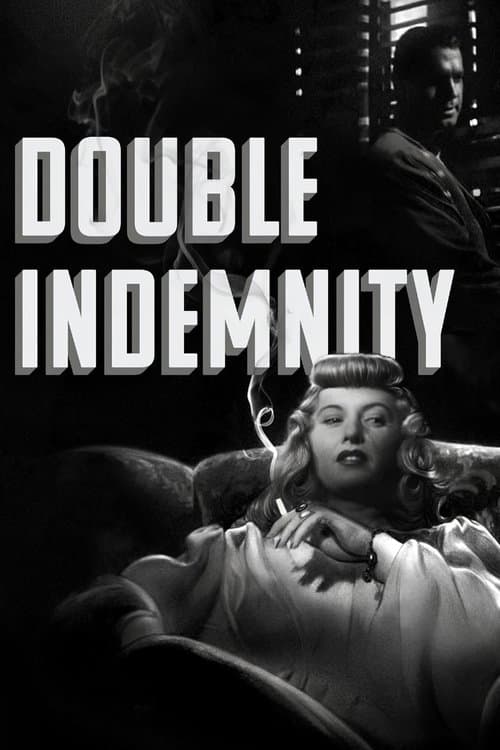
Sunset Boulevard is a 1950 drama and film noir film directed by Billy Wilder. This breakdown covers 4 techniques (2 narrative and 2 cinematography), each with the scene where you can see it. If you like how it is made, Double Indemnity uses several of the same techniques.

Narrative

Dead Narrator

Having the story told in voiceover by someone who is already dead or dying. Once you know, the whole film plays like a confession with no chance of rescue.

How this film uses it

The film opens with Joe Gillis floating dead in a swimming pool, and he narrates his own story from there. The entire film is a dead man's account of how he got there. Since you know he dies, the suspense moves away from whether he survives. You watch to understand how it came to this.

Where to see it

The opening shot of Joe floating in the pool. The narrator is already dead before his first word.
Cinematography

Gothic Mansion Symbolism

Setting the story in a large, decaying or out-of-date house that mirrors its owner's mind. The building shows the feelings and history that keep the people inside trapped.

How this film uses it

John F. Seitz's camera treats Norma Desmond's mansion as a haunted house. You see the dark rooms, the covered furniture, the dead pet monkey, the organ and the projection room for her old films. The house is her delusion in the form of a building, a place where time stopped in the 1920s.

Where to see it

Joe's first exploration of Norma's mansion. The house is shown as a museum of a star nobody needs anymore.

Narrative

Hollywood Self-Indictment

Making a film that criticizes the film industry from the inside. It shows the cruelty under the glamour of stardom and how easily talent gets thrown away.

How this film uses it

Wilder casts real Hollywood figures (Cecil B. DeMille, Hedda Hopper, Buster Keaton) as themselves. Gloria Swanson's own career, as a silent star who made few sound films, parallels Norma Desmond's. This is a movie accusing the movies. Cinema creates these delusions, and then it abandons the people it created.

Where to see it

Norma on the DeMille set. The industry treats her gently, and with contempt underneath.

Cinematography

Silent Film Performance Register

Having an actor perform in the big, physical style of silent movies, where gesture and facial expression do the work of dialogue. In a sound film, it marks a character as out of their time.

How this film uses it

Gloria Swanson plays Norma Desmond partly in the style of silent films (the eyes, the hands, the posed gestures), because Norma herself is left over from that era. The acting style is out of date on purpose. It lets you see Norma's delusion, so no dialogue has to spell it out.

Where to see it

Norma's descent down the staircase at the film's end. She acts like a silent film star in a world that has moved on to sound.

Questions

Sunset Boulevard: quick answers

What filmmaking techniques does Sunset Boulevard use?
CineCode breaks down 4 techniques in Sunset Boulevard (1950): Dead Narrator, Gothic Mansion Symbolism, Hollywood Self-Indictment and Silent Film Performance Register.
Who directed Sunset Boulevard?
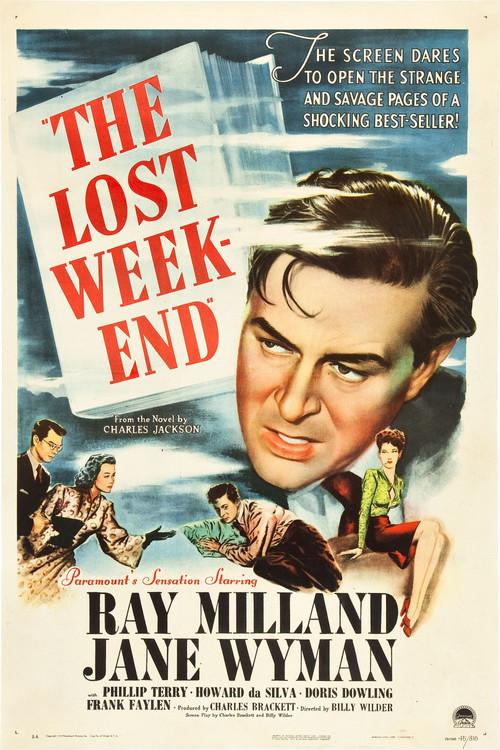
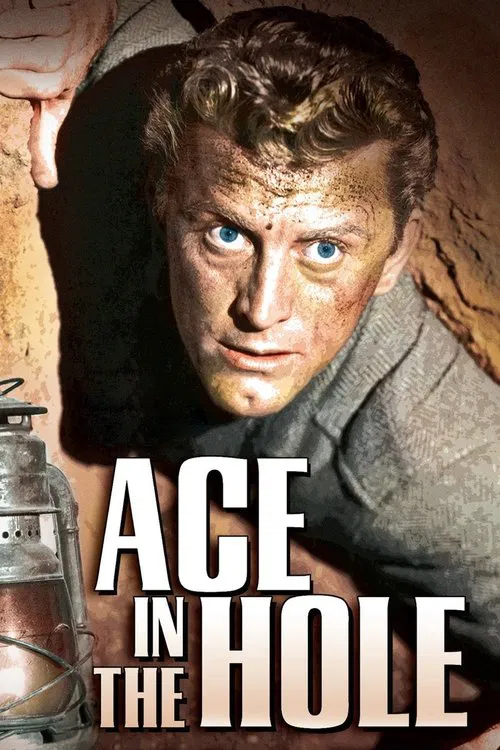
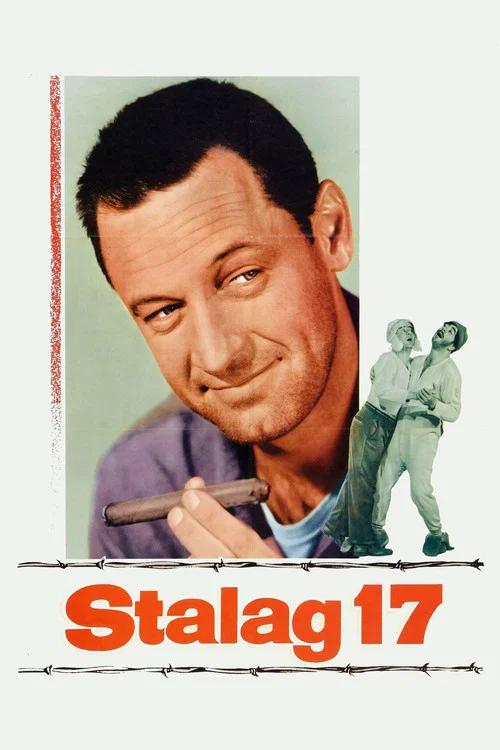
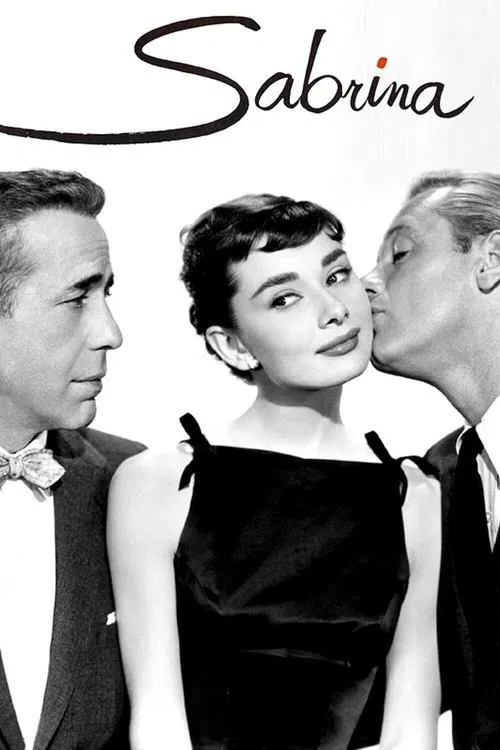
Billy Wilder directed Sunset Boulevard, released in 1950. CineCode also covers Double Indemnity (1944), The Lost Weekend (1945), Ace in the Hole (1951), Stalag 17 (1953), Sabrina (1954), The Seven Year Itch (1955).
What films are similar to Sunset Boulevard?
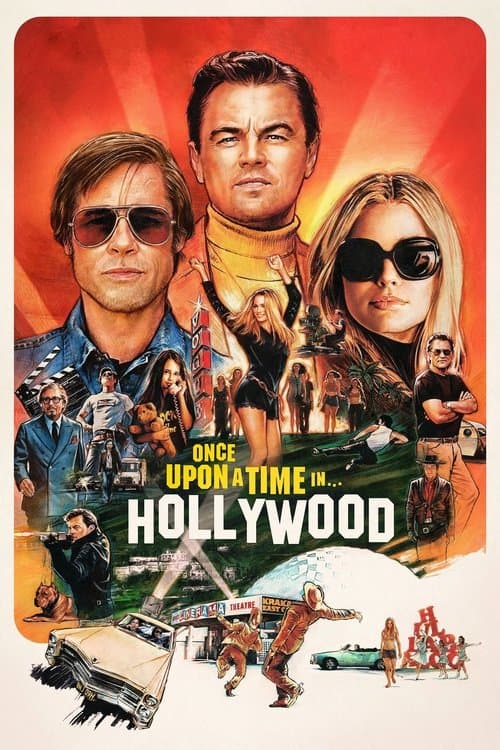
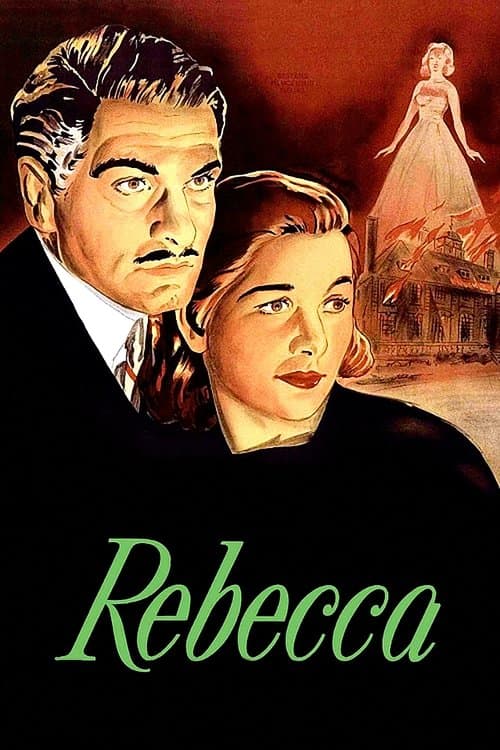
Films that share techniques with Sunset Boulevard include Double Indemnity (1944), Rebecca (1940), Metropolis (1927), Once Upon a Time in Hollywood (2019).