Babe Levy is a history student and runner who knows nothing about the secret job of his brother. When his brother is killed carrying diamonds for a Nazi war criminal, Babe is pulled into the hunt. Watch for how a plain character becomes a hero in a tense chase.
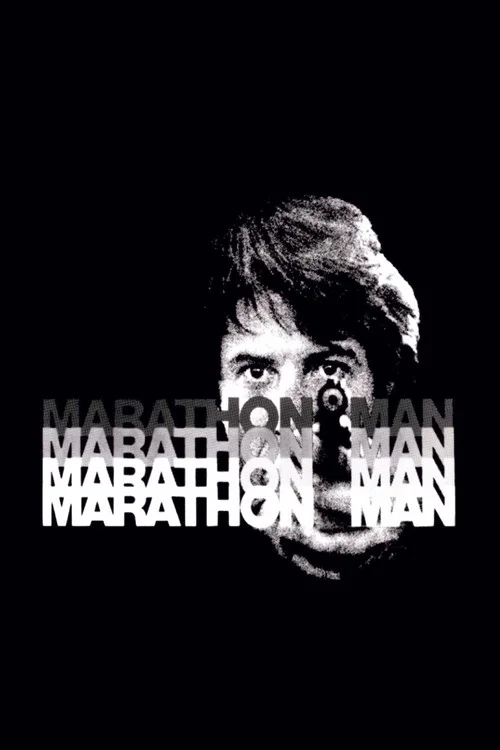
Marathon Man is a 1976 thriller and crime film directed by John Schlesinger. This breakdown covers 4 techniques (1 narrative, 1 cinematography, 1 psychology and 1 sound), each with the scene where you can see it. If you like how it is made, The Pelican Brief uses several of the same techniques.
Dropping a normal citizen with no special training into a conspiracy or crime. You identify with them because they are as unprepared as you would be.
How this film uses it
Babe is a Columbia University student with no spy training. He is dragged into a conspiracy he does not understand, so you feel as unprepared as he is. Everything he knows is running and history.
Where to see it
Doc dies in Babe's apartment: Babe's brother is stabbed and dies before he can explain anything.
Mounting the camera on a stabilizing rig worn by the operator so it can glide smoothly through a space. It moves as freely as handheld but without the shake.
How this film uses it
Conrad Hall shot the film, and its running and chase scenes on New York streets used the then-new Steadicam. The rig lets the camera follow Babe smoothly as he runs, so you run with him.
Where to see it
Babe's runs: Babe, a distance runner, is shown running through New York.
Building suspicion step by step, as characters feel watched or doubt those around them. The sense of being observed grows until it shapes every choice.
How this film uses it
Babe cannot trust anyone. Peter Janeway rescues him from Szell, then turns out to be a double agent who hands him back. By the end you suspect everyone he meets.
Where to see it
Janeway's betrayal: The man who saves Babe reveals he works with Szell and returns him to his captors.
Having a menacing character repeat one simple line until its meaning is unclear and terrifying. The calm repetition makes the threat feel worse than shouting.
How this film uses it
Szell, played by Laurence Olivier, keeps asking Babe the same simple question, Is it safe? The calm, repeated line is scarier than any threat because Babe has no idea what it means.
Where to see it
The dental torture: Szell interrogates Babe with dental tools and asks if it is safe.
Questions
Marathon Man: quick answers
What filmmaking techniques does Marathon Man use?
CineCode breaks down 4 techniques in Marathon Man (1976): Ordinary Person in Extraordinary Plot, Steadicam, Paranoia Spiral and Repetition as Menace.
Who directed Marathon Man?
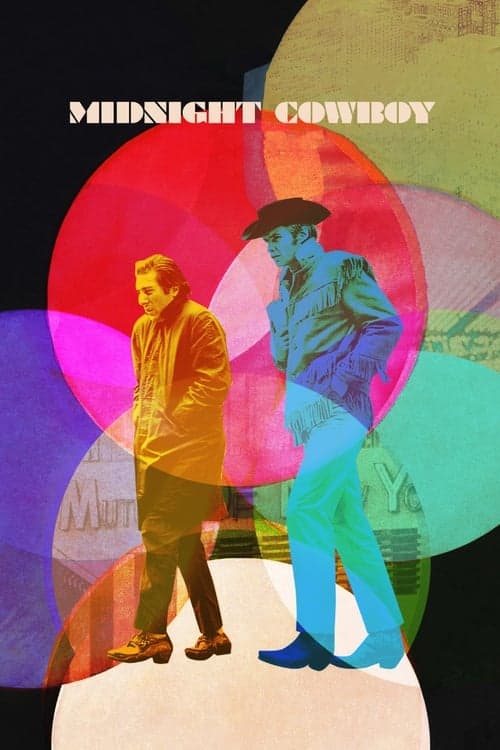
John Schlesinger directed Marathon Man, released in 1976. CineCode also covers Midnight Cowboy (1969).
What films are similar to Marathon Man?
Films that share techniques with Marathon Man include The Pelican Brief (1993), The Shining (1980), Atonement (2007), Gravity (2013).