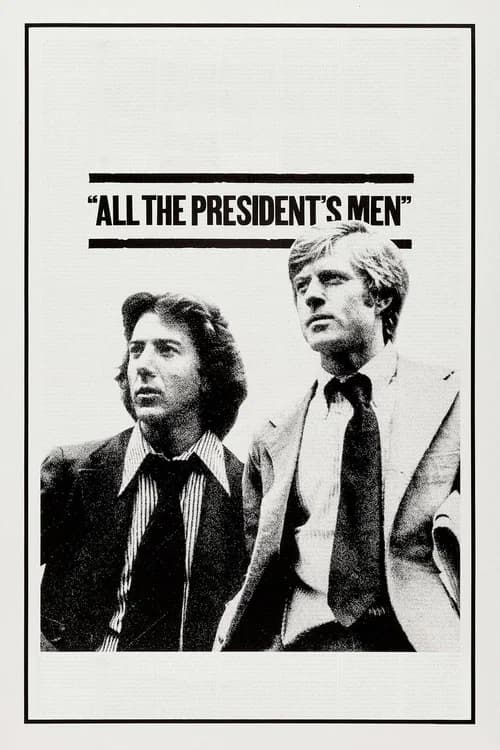
Washington Post reporters Bob Woodward and Carl Bernstein follow a trail of clues from the Watergate break-in to the highest levels of the Nixon administration. Alan Pakula's film treats investigative journalism like a procedural thriller. It finds suspense in facts slowly and patiently piling up.
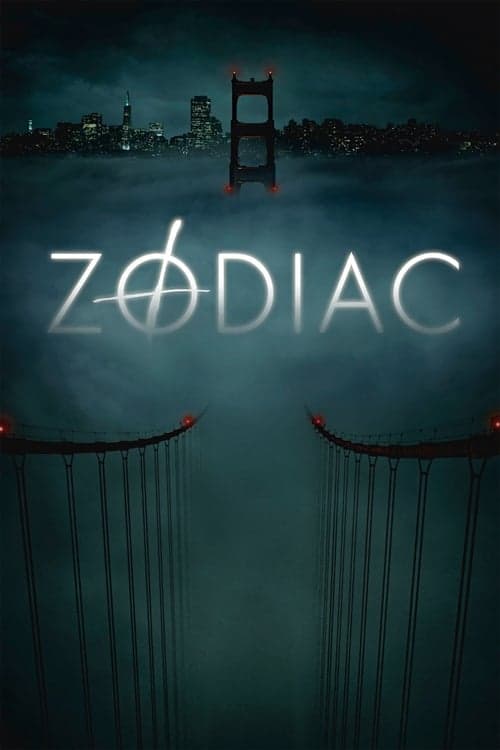
All the President's Men is a 1976 drama and thriller film directed by Alan J. Pakula. This breakdown covers 4 techniques (1 narrative, 2 cinematography and 1 editing), each with the scene where you can see it. If you like how it is made, Zodiac uses several of the same techniques.
Revealing character and motive through physical evidence and a detective's step-by-step reasoning, with no confessions or backstory dumps. You piece together the truth alongside the investigator.
How this film uses it
Pakula never shows you anything the reporters don't know yet. The tension comes from watching the men piece together a hidden system, one phone call and one reluctant source at a time.
Where to see it
Woodward and Bernstein with the library request slips. They go through the cards at the Library of Congress in a tense, methodical sequence.
Shooting straight down on a scene from above. The view flattens the space into shapes, makes people look small and can feel like a god or security camera watching.
How this film uses it
In Gordon Willis' famous overhead shot at the Library of Congress, the camera rises to show how vast the institution is. It makes you feel how alone the 2 men are, working against a power structure too big to grasp.
Where to see it
The Library of Congress shot. The camera rises impossibly high above Woodward and Bernstein at a tiny desk, and the 2 men look lost in the vast building.
Showing an institution as the source of power in the story, through its walls, corridors, watchful sightlines and procedures. The system itself confines people more than any single villain.
How this film uses it
The Washington Post newsroom was rebuilt on 2 soundstages at Burbank Studios, with desks bought from the firm that had sold desks to the Post. The setting works like a character. It is the grinding machinery of institutional journalism.
Where to see it
The newsroom set. It is bathed in cold fluorescent light. Reporters type against a background hum of work that never lets up.
Cutting rapidly between fragments, threats and pressures, often with fast music and shifting camera angles. You feel the character's panic and the sense of being closed in from every side.
How this film uses it
As the story gets closer to the White House, Pakula's editing tightens into a rhythm of glances, pauses and shadow. It suggests that someone is watching everywhere, even in the open newsroom.
Where to see it
Woodward meeting Deep Throat in the parking garage. The space is vast and dark, and the editing suggests eyes everywhere.
Questions
All the President's Men: quick answers
What filmmaking techniques does All the President's Men use?
CineCode breaks down 4 techniques in All the President's Men (1976): Forensic Inference Narration, Overhead Composition, Institutional Architecture and Paranoia Montage.
Who directed All the President's Men?
Alan J. Pakula directed All the President's Men, released in 1976. CineCode also covers The Pelican Brief (1993).
What films are similar to All the President's Men?
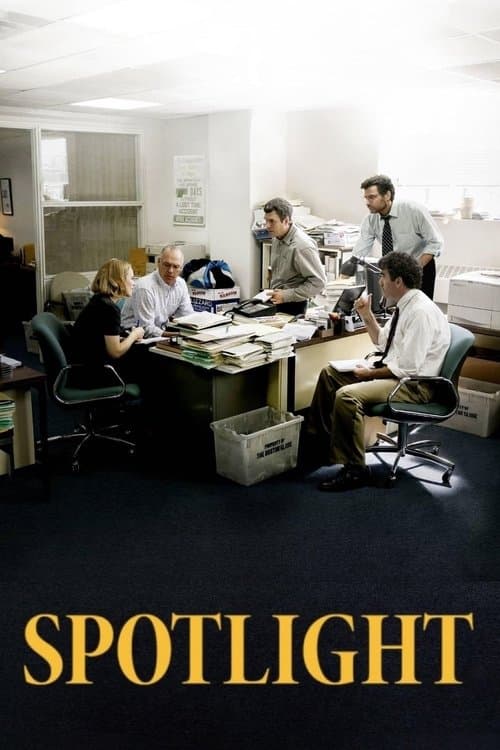
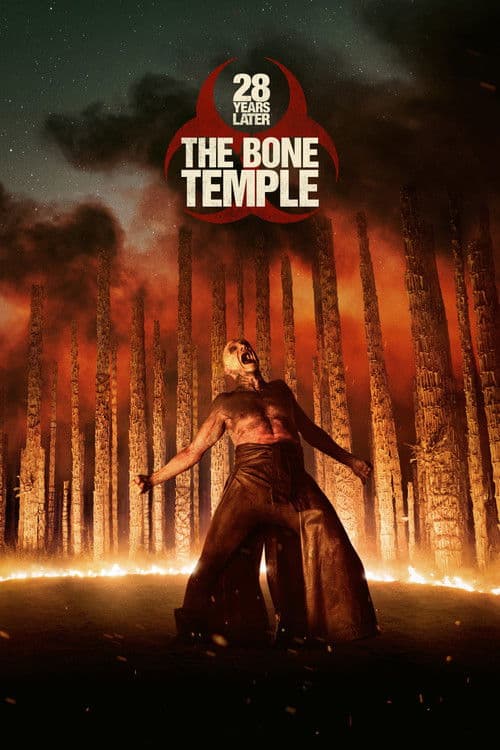
Films that share techniques with All the President's Men include Zodiac (2007), Spotlight (2015), 28 Years Later: The Bone Temple (2026), The Shawshank Redemption (1994).