Comedy · Crime · Thriller

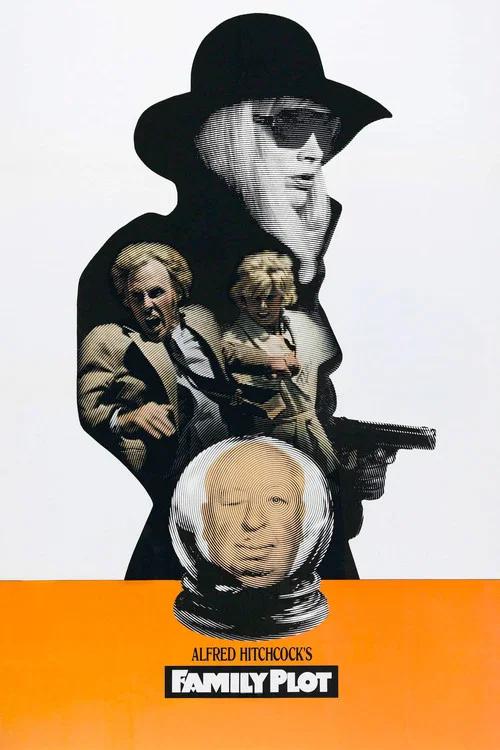
Family Plot

Alfred Hitchcock, 1976

A fake psychic and her cab-driver boyfriend search for a rich woman's lost nephew, while a pair of jewel-ransom kidnappers try to stay hidden. Hitchcock's last film is light, funny and ends with a wink.

Family Plot (1976) poster

At a glance

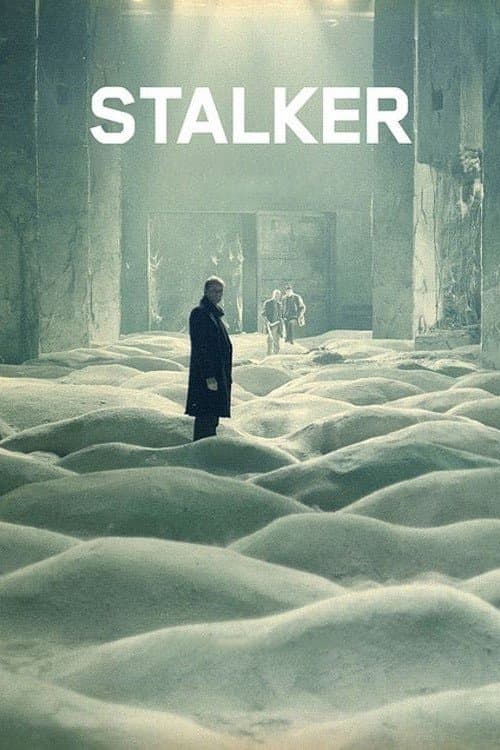
Family Plot is a 1976 comedy, crime and thriller film directed by Alfred Hitchcock. This breakdown covers 4 techniques (2 narrative, 1 cinematography and 1 psychology), each with the scene where you can see it. If you like how it is made, Persona uses several of the same techniques.

Narrative

Interwoven Storylines

Running several separate storylines side by side, sometimes leading them to collide, so each thread comments on the others and the whole becomes a larger picture.

How this film uses it

Blanche and George hunt for the heir while Arthur and Fran kidnap wealthy people for diamonds. The 2 plots run in parallel until Blanche rings the kidnappers' doorbell. The film is built on the question of when they will collide.

Where to see it

The doorbell. Blanche tracks down Arthur Adamson's address and arrives as he and Fran are loading a kidnapped bishop into their car.
Cinematography

Hidden in Plain Sight

Placing a key object in clear view where nobody looks at it, then pointing the camera at it at the right moment. You realize it was visible the whole time.

How this film uses it

Arthur hides his latest ransom diamond in the crystal chandelier above his main staircase. Arthur conceals each ransom diamond where everyone can see it. When the camera finally points at it, you feel you should have noticed.

Where to see it

The chandelier. Blanche walks halfway up the staircase and points at the huge diamond hidden in the chandelier.

Psychology

Unreliable Reality

Keeping it unclear what is real and what is imagined in the film's world. You end up as unsure as the main character.

How this film uses it

Blanche is a fraud, but she appears to enter a real trance and finds the diamond. George tells her she is a real psychic. The film never settles whether the trance is real.

Where to see it

The trance. Blanche walks out of the basement, climbs the stairs, points to the diamond and then 'wakes' asking what happened.

Narrative

Direct Address

Having a character look into the camera and speak to the audience, also called breaking the fourth wall. It makes you feel like their confidant and reminds you this is a film.

How this film uses it

The final shot is Blanche winking at the camera. It makes you part of the joke and leaves the question of her powers open. It is a light, playful sign-off for Hitchcock's last film.

Where to see it

The ending. After George calls the police, Blanche smiles and winks straight at the camera.

Questions

Family Plot: quick answers

What filmmaking techniques does Family Plot use?
CineCode breaks down 4 techniques in Family Plot (1976): Interwoven Storylines, Hidden in Plain Sight, Unreliable Reality and Direct Address.
Who directed Family Plot?
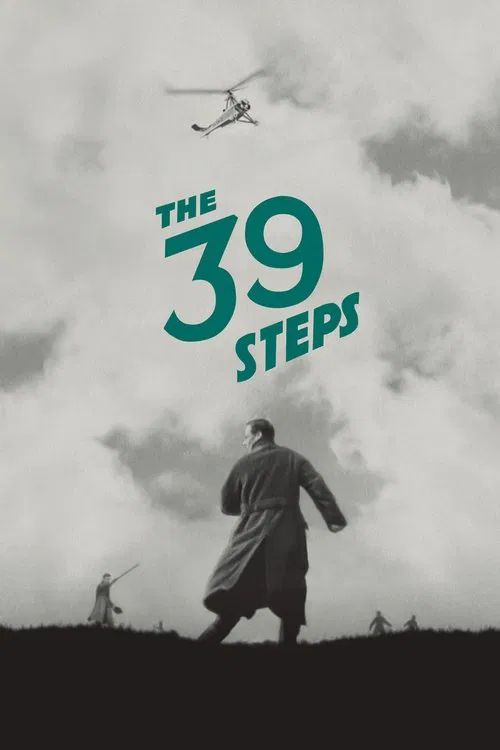
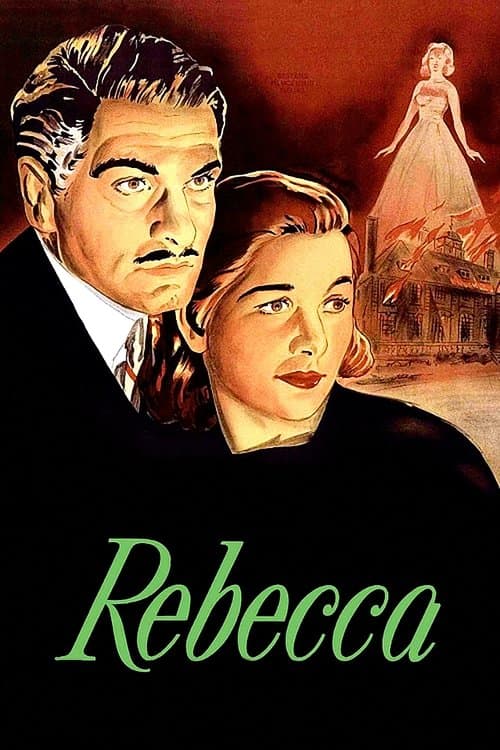
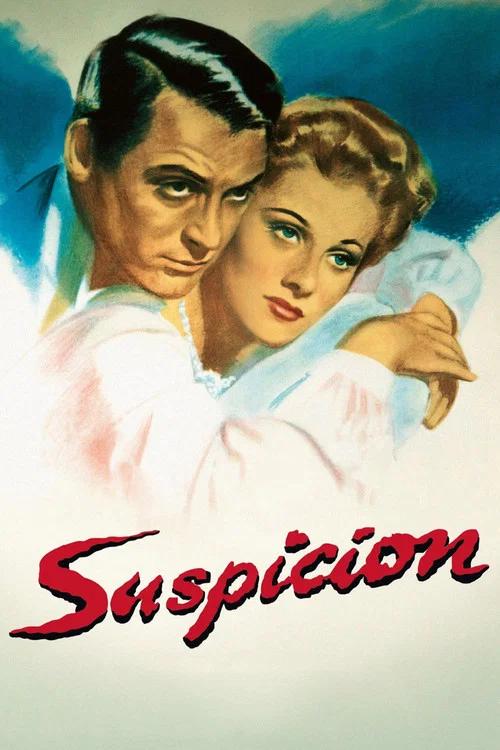
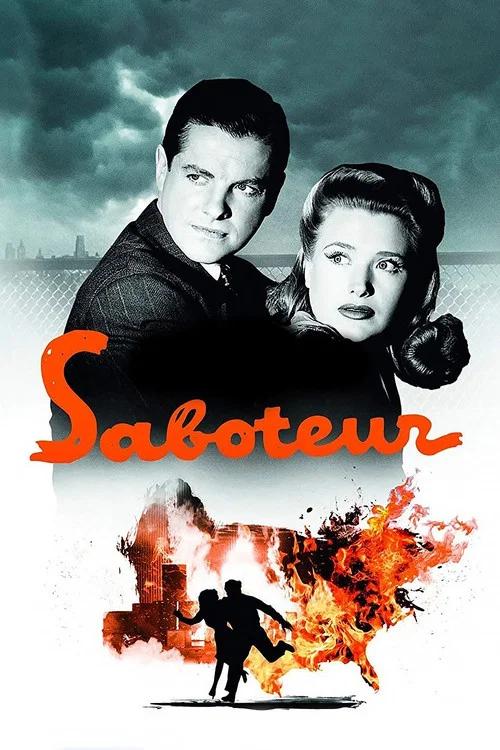
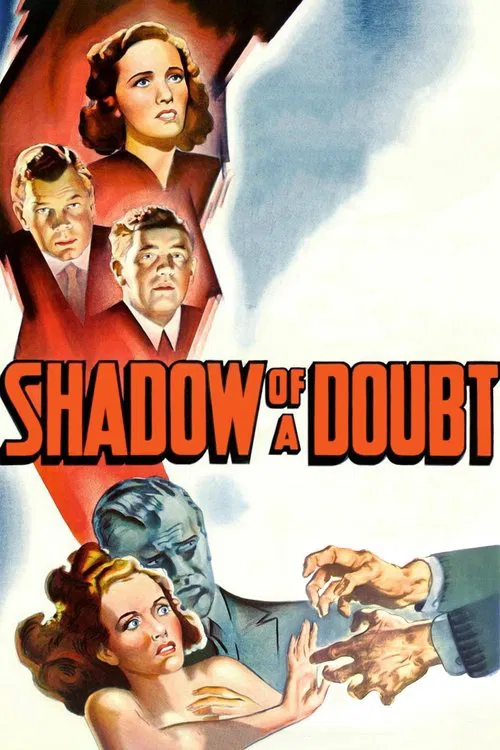
Alfred Hitchcock directed Family Plot, released in 1976. CineCode also covers The 39 Steps (1935), The Lady Vanishes (1938), Rebecca (1940), Suspicion (1941), Saboteur (1942), Shadow of a Doubt (1943).
What films are similar to Family Plot?
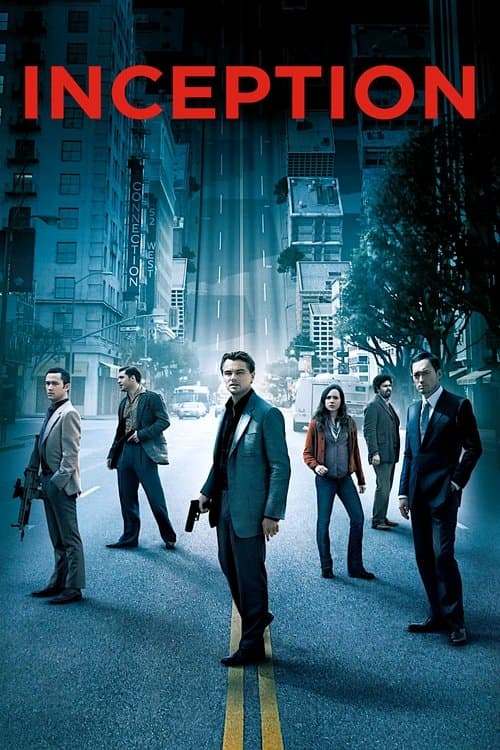
Films that share techniques with Family Plot include Persona (1966), F for Fake (1973), Inception (2010), Fight Club (1999).