Horror · Thriller · Mystery

The Tenant

Roman Polanski, 1976

Trelkovsky, a quiet clerk, rents a Paris apartment whose last tenant tried to kill herself. His neighbors and landlord watch him closely, and he starts to believe they want him to take her place. Worth watching for how a film can make you doubt what you see.

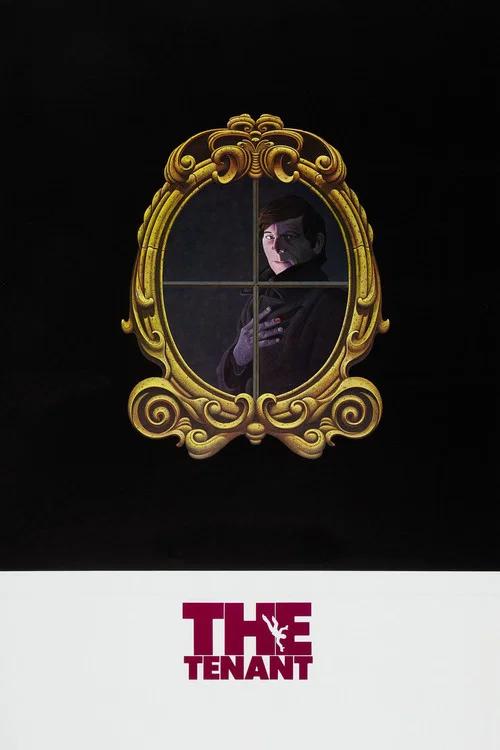
The Tenant (1976) poster

At a glance

The Tenant is a 1976 horror, thriller and mystery film directed by Roman Polanski. This breakdown covers 5 techniques (2 psychology, 2 narrative and 1 cinematography), each with the scene where you can see it. If you like how it is made, 8½ uses several of the same techniques.

Psychology

Psychological Doubling

Pairing the main character with a second character who mirrors them. The double shows what the hero wants, fears or secretly is.

How this film uses it

Trelkovsky starts to become Simone Choule, the woman who lived in the flat before him. He orders her usual drink at the cafe, smokes her brand and puts on a wig and her dress. By the end he repeats her fall, so the double is what he fears he is turning into.

Where to see it

The dressing up: Trelkovsky buys a wig and women's shoes and puts on Simone's dress. He suspects the neighbors are trying to turn him into the last tenant.
Narrative

Circular Structure

Ending the film where it started, or with a scene that echoes the opening. The repeat shows what has changed, or suggests the cycle will keep going.

How this film uses it

The film ends where it began. Trelkovsky lies bandaged in the same hospital bed as Simone, and the early hospital visit plays again from his point of view. He lets out the same monstrous scream she did.

Where to see it

The hospital ending: Trelkovsky is bandaged like Simone in the same bed. He sees his own earlier visit, then screams as she did.

Cinematography

Courtyard as Narrative Stage

Using one enclosed outdoor space, often seen from the main character's position, like a theater stage. Several stories and key confrontations play out there at once.

How this film uses it

Trelkovsky's window looks across a courtyard to a shared toilet room, where neighbors stand perfectly still. He studies them from his window. Later he sees himself standing at his own window, looking back with binoculars.

Where to see it

The courtyard window: Trelkovsky sees neighbors standing motionless in the toilet room. Later he sees himself at his window with binoculars.

Narrative

Paranoid Ensemble

Making any member of a group a possible hidden enemy, so every face could be lying. You study the characters for clues the same way they study each other.

How this film uses it

The concierge, the landlord Zy and the neighbors all complain about him, push him to join petitions and tell him not to call the police. Any of them might be in on a plot. You study them for clues the way he does.

Where to see it

Zy's warning: After Trelkovsky's apartment is robbed, his landlord warns him not to tell the police.

Psychology

Unreliable Reality

Keeping it unclear what is real and what is imagined in the film's world. You end up as unsure as the main character.

How this film uses it

The film gives Trelkovsky visions of neighbors playing football with a human head and hieroglyphs covering the toilet walls. You cannot tell if these are real or a fever dream. The doubt is what keeps the plot unsettled.

Where to see it

The visions: Trelkovsky sees his neighbors playing football with a human head and finds hieroglyphs in the toilet.

Questions

The Tenant: quick answers

What filmmaking techniques does The Tenant use?
CineCode breaks down 5 techniques in The Tenant (1976): Psychological Doubling, Circular Structure, Courtyard as Narrative Stage, Paranoid Ensemble and Unreliable Reality.
Who directed The Tenant?
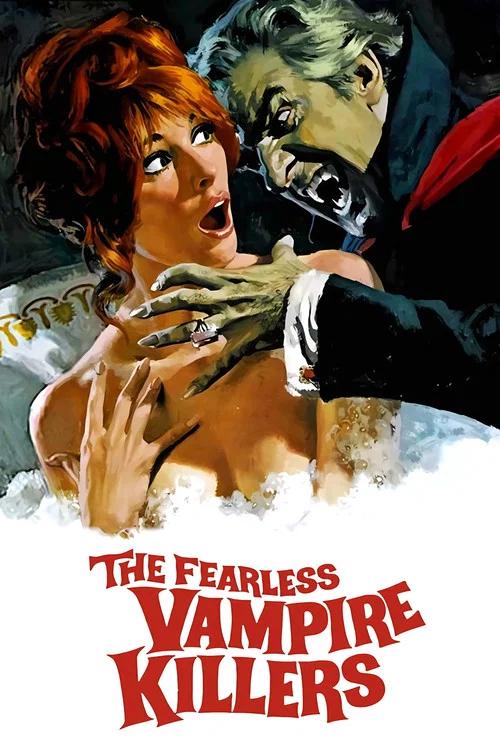
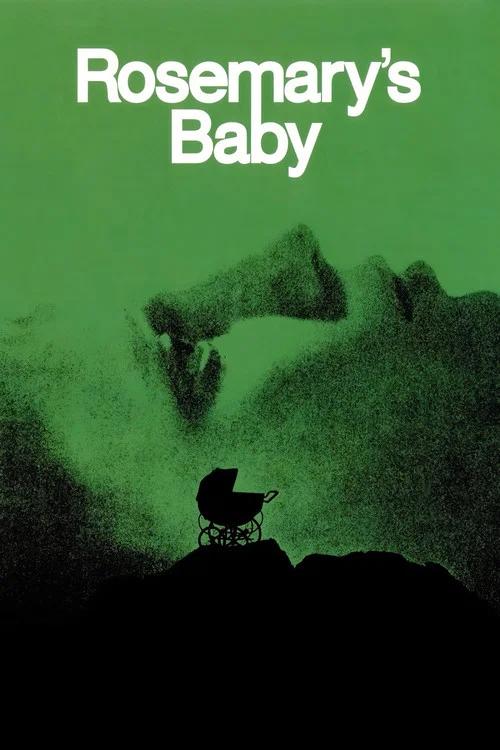
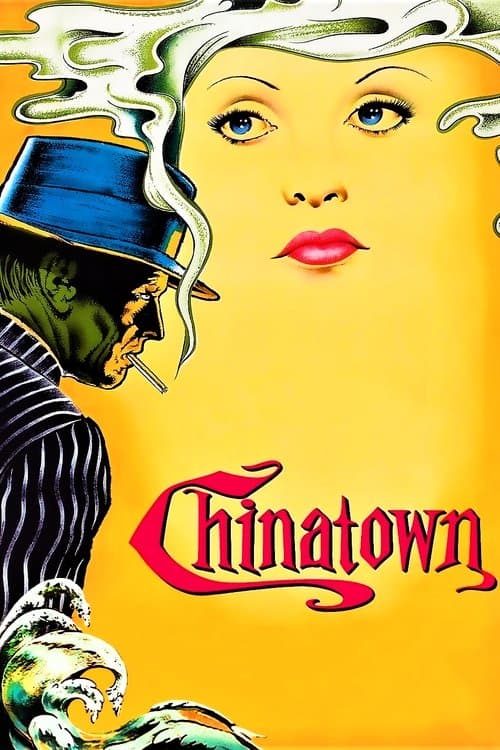
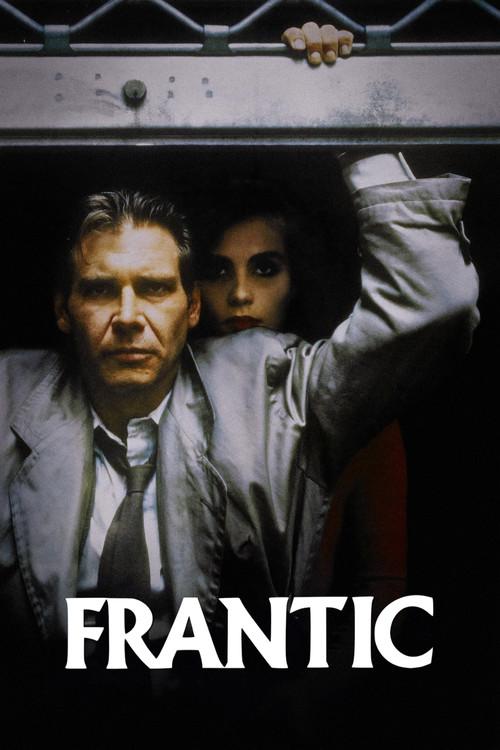
Roman Polanski directed The Tenant, released in 1976. CineCode also covers Repulsion (1965), The Fearless Vampire Killers (1967), Rosemary's Baby (1968), Chinatown (1974), Frantic (1988), Bitter Moon (1992).
What films are similar to The Tenant?
Films that share techniques with The Tenant include 8½ (1963), Lost Highway (1997), Persona (1966), The Lighthouse (2019).