Adventure · Science Fiction · Comedy

Okja

Bong Joon-ho, 2017

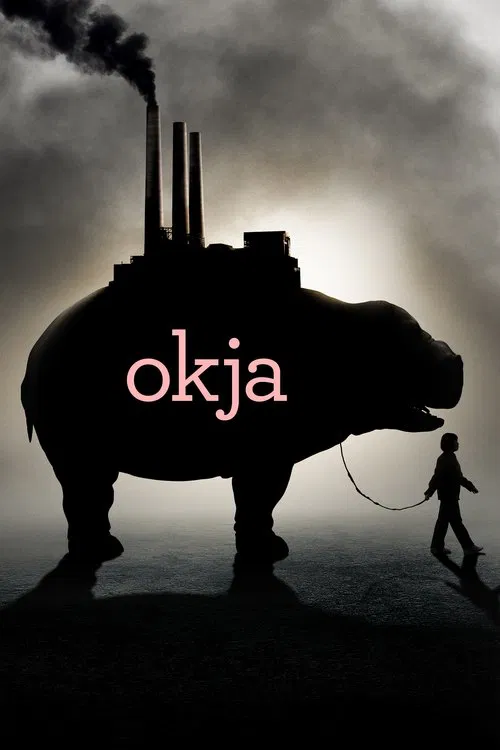
A girl named Mija raises a giant super pig named Okja in the mountains of South Korea, until the corporation that owns the animal takes her away to New York. Mija follows. Watch how the film mixes a cute creature story with a bleak look at the meat industry.

Okja (2017) poster

At a glance

Okja is a 2017 adventure, science fiction and comedy film directed by Bong Joon-ho. This breakdown covers 4 techniques (2 narrative, 1 editing and 1 psychology), each with the scene where you can see it. If you like how it is made, True Lies uses several of the same techniques.

Narrative

Environmental Satire

Mocking a specific world, such as an industry, an institution or consumer culture, by exaggerating what is already there. A sci-fi future built from present trends can do this with no direct argument.

How this film uses it

The Mirando Corporation sells super pigs as a friendly new food and uses a cheerful publicity machine to sell them. The film exaggerates real marketing and factory farming until both look ridiculous. Bong visited a slaughterhouse in Colorado to prepare for the ending.

Where to see it

The publicity reunion. Mirando stages a cheerful meeting between Mija and Okja while the company quietly mistreats the animal.
Narrative

Genre Collage

Mixing several genres in 1 film, such as crime, romance, horror and absurd comedy. The clash between them keeps you from settling into a single way of watching.

How this film uses it

The film starts like a gentle mountain adventure, becomes a chase comedy, then turns into a harsh slaughterhouse drama. Activists, a TV host and a corporation all pull the story in different directions. You never settle into one mood.

Where to see it

The Seoul chase. Mija runs after the truck carrying Okja, and the Animal Liberation Front intercepts it in the middle of the city.

Editing

Kinetic Set Piece Architecture

Building an action sequence as a chain where each solution creates a new problem. The layout of the space stays clear, so the escalation follows its own logic.

How this film uses it

In Seoul, Mija chases the truck on foot while the activists try to free Okja. Each move creates a new problem, and the street layout stays clear enough to follow. The result is a chase that has comedy and real fear in it.

Where to see it

The Seoul chase. Mija and Okja escape during the activists' attack, but Okja is soon recaptured.

Psychology

Complicit Audience Discomfort

Making viewers uneasy about an everyday habit they share with the film's villains, by showing its real cost on screen without lecturing them about it.

How this film uses it

You spend the film loving Okja, so the slaughterhouse sequence makes it hard to treat the meat in your own life as an abstract idea. The workers do their jobs calmly, which makes it worse. The film never tells you what to eat.

Where to see it

The processing plant. Mija arrives where Okja is about to be slaughtered and offers a gold pig figurine to save her.

Questions

Okja: quick answers

What filmmaking techniques does Okja use?
CineCode breaks down 4 techniques in Okja (2017): Environmental Satire, Genre Collage, Kinetic Set Piece Architecture and Complicit Audience Discomfort.
Who directed Okja?
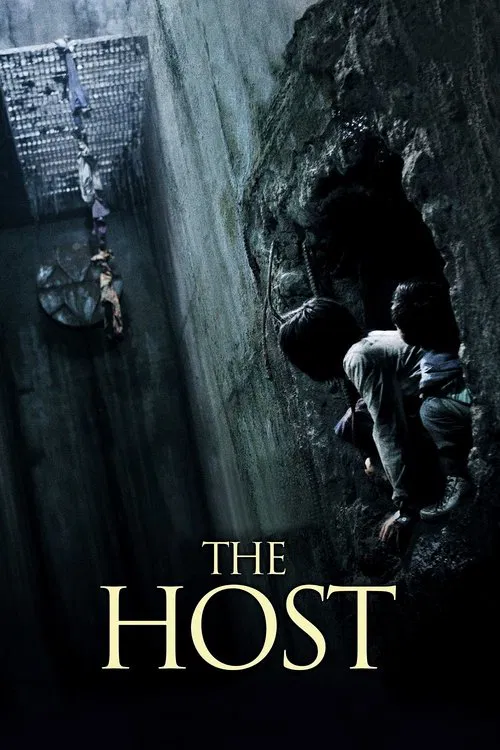
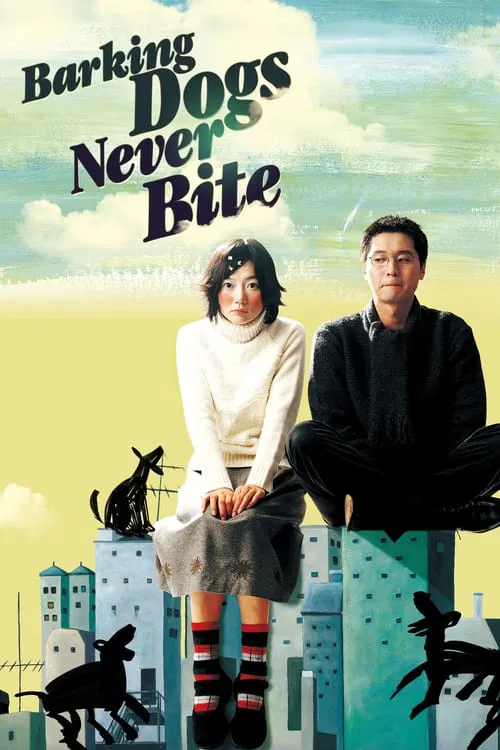
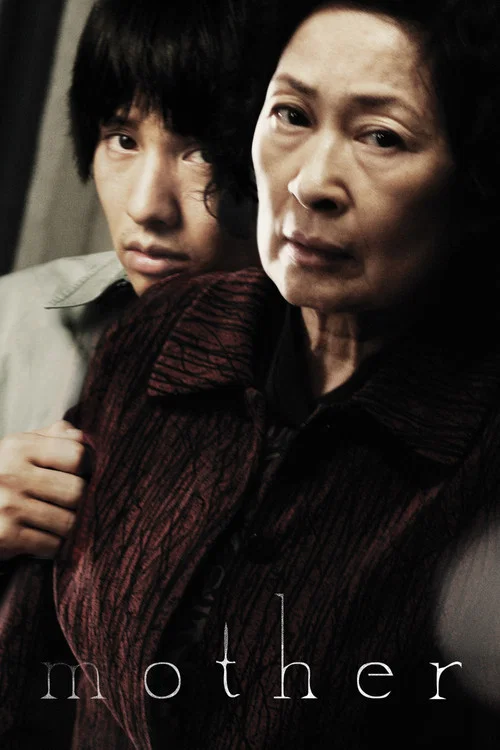
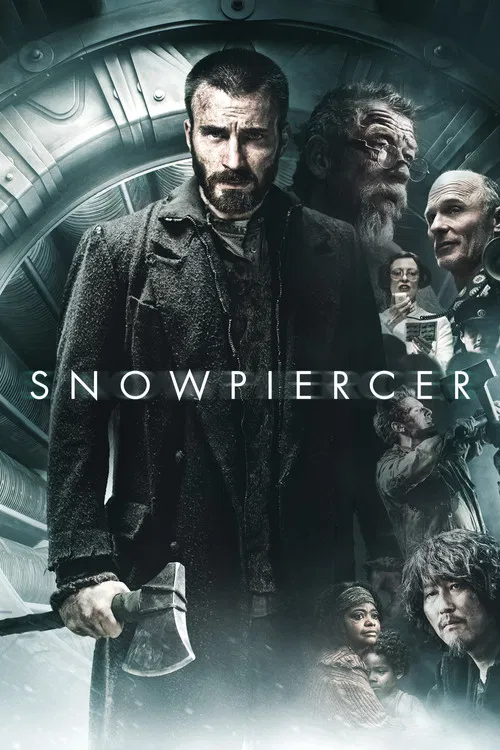
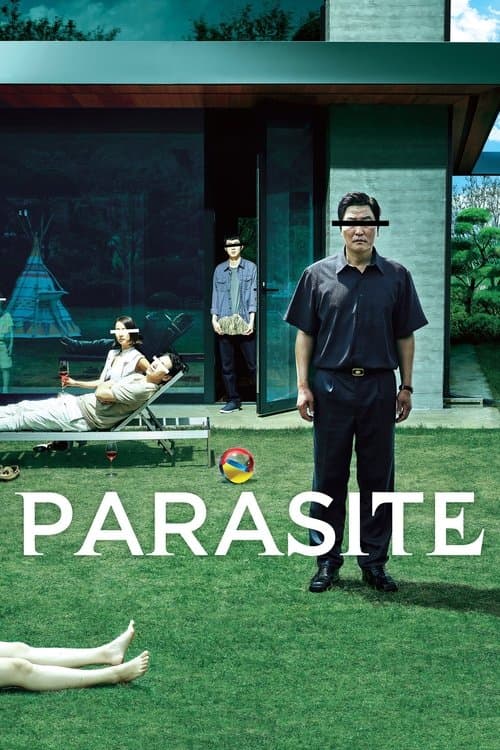
Bong Joon-ho directed Okja, released in 2017. CineCode also covers Barking Dogs Never Bite (2000), Memories of Murder (2003), The Host (2006), Mother (2009), Snowpiercer (2013), Parasite (2019).
What films are similar to Okja?
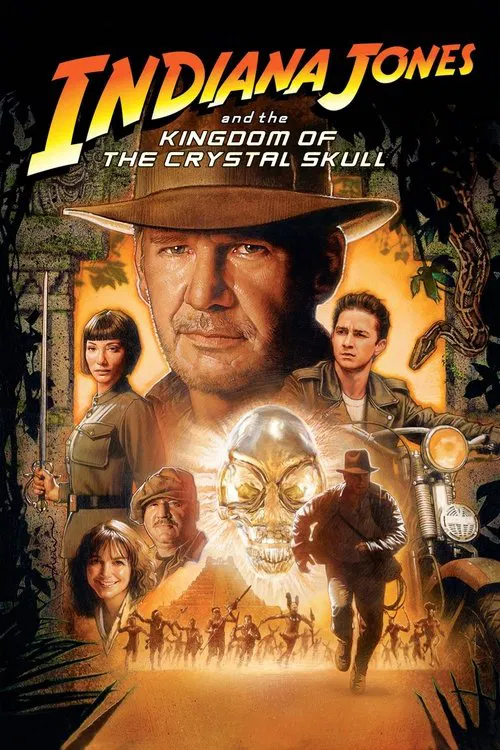
Films that share techniques with Okja include True Lies (1994), Back to the Future Part III (1990), Indiana Jones and the Kingdom of the Crystal Skull (2008), The Host (2006).