Adventure · Action · Science Fiction

Indiana Jones and the Kingdom of the Crystal Skull

Steven Spielberg, 2008

In 1957, an older Indiana Jones is dragged into a race against Soviet agents for a mysterious crystal skull in South America. He gets help from a young greaser named Mutt and an old flame. For filmmakers, watch how the series tries to move from 1930s serials to 1950s science fiction.

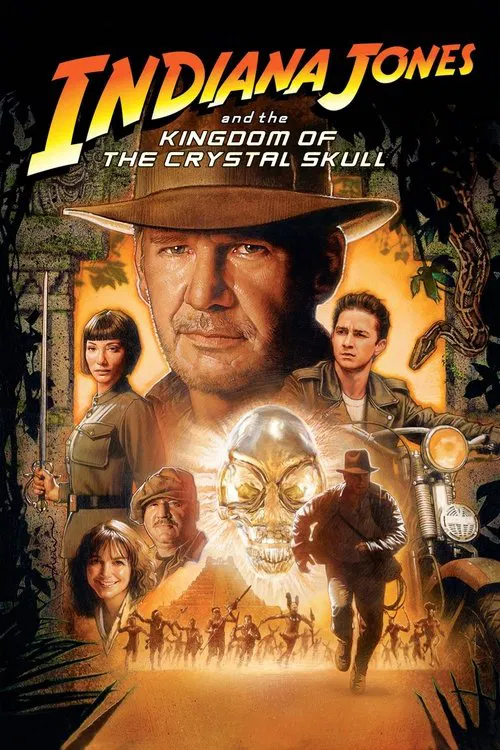
Indiana Jones and the Kingdom of the Crystal Skull (2008) poster

At a glance

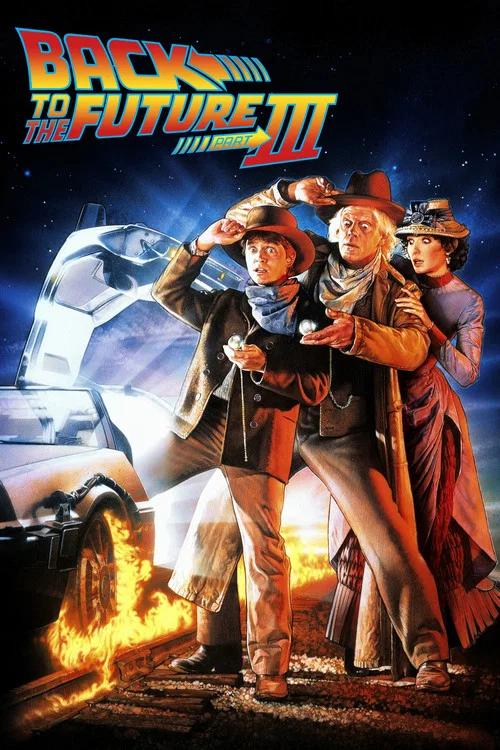
Indiana Jones and the Kingdom of the Crystal Skull is a 2008 adventure, action and science fiction film directed by Steven Spielberg. This breakdown covers 4 techniques (1 cinematography, 2 editing and 1 narrative), each with the scene where you can see it. If you like how it is made, Back to the Future Part III uses several of the same techniques.

Cinematography

Era-Coded Visual Grammar

Changing the color, film texture and camera style for each time period, and using the fashion and architecture of the day. Every era gets its own distinct feel.

How this film uses it

The film swaps the old adventure-serial look for 1950s imagery. It has suburban test towns, rock and roll, atomic fears and flying saucers. The costumes, music and sets shift to match the Cold War era.

Where to see it

The nuclear test town: Indy escapes a fake suburban town filled with mannequins just before an atomic test.
Editing

Kinetic Set Piece Architecture

Building an action sequence as a chain where each solution creates a new problem. The layout of the space stays clear, so the escalation follows its own logic.

How this film uses it

The jungle chase builds a long fight across moving vehicles. The characters swap positions, weapons and cars as the terrain changes. Each new obstacle follows from the last.

Where to see it

The jungle chase: Mutt and a Soviet officer fight with swords across two moving vehicles in the Amazon rainforest.

Editing

Callback Editing

Bringing back an earlier image, line, location or piece of staging later in the film, often with the situation reversed. You enjoy recognizing it, and the comparison adds meaning.

How this film uses it

The film brings back an image from the first adventure to remind you of Indy's past. A warehouse holds the Ark of the Covenant. A glimpse of the crate does the work of a flashback.

Where to see it

The Hangar 51 warehouse: Soviet agents force Indy into a government warehouse that contains the Ark of the Covenant from the first film.

Narrative

Genre Collage

Mixing several genres in 1 film, such as crime, romance, horror and absurd comedy. The clash between them keeps you from settling into a single way of watching.

How this film uses it

The movie mixes the series' treasure-hunt style with 1950s B-movie alien lore. Old booby traps and ancient ruins sit next to UFO technology. The clash is the film's whole identity, and you may like it or not.

Where to see it

The ending at Akator: Indy and his friends follow clues into an ancient city, where the skull's secret turns out to involve beings from another dimension.

Questions

Indiana Jones and the Kingdom of the Crystal Skull: quick answers

What filmmaking techniques does Indiana Jones and the Kingdom of the Crystal Skull use?
CineCode breaks down 4 techniques in Indiana Jones and the Kingdom of the Crystal Skull (2008): Era-Coded Visual Grammar, Kinetic Set Piece Architecture, Callback Editing and Genre Collage.
Who directed Indiana Jones and the Kingdom of the Crystal Skull?
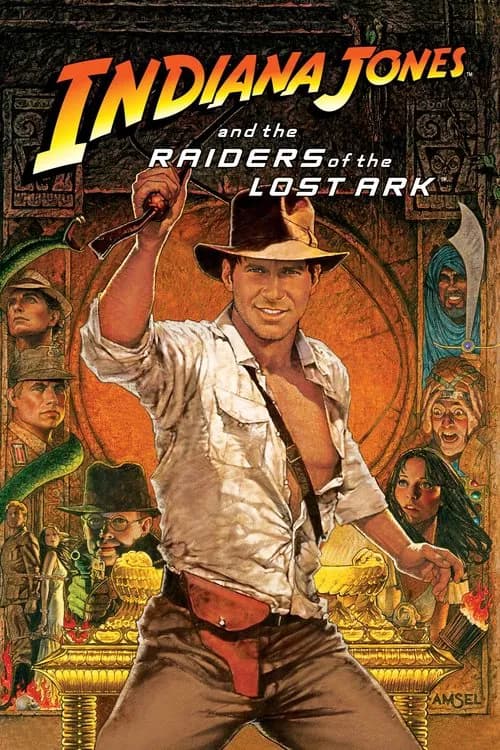
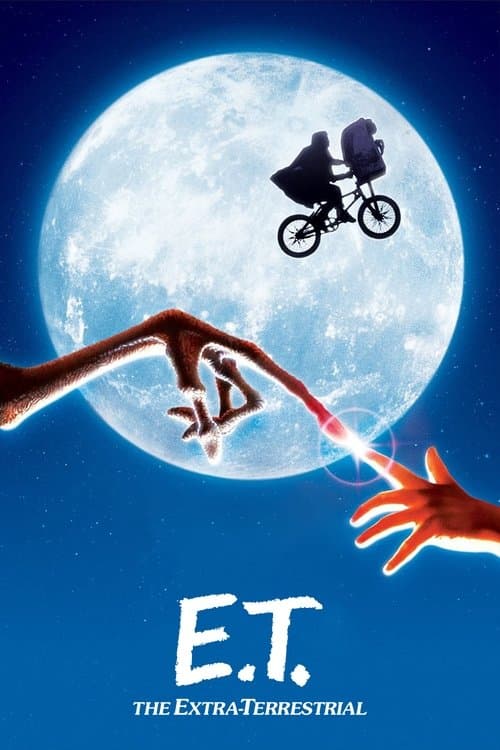
Steven Spielberg directed Indiana Jones and the Kingdom of the Crystal Skull, released in 2008. CineCode also covers Duel (1971), Jaws (1975), Close Encounters of the Third Kind (1977), 1941 (1979), Raiders of the Lost Ark (1981), E.T. the Extra-Terrestrial (1982).
What films are similar to Indiana Jones and the Kingdom of the Crystal Skull?
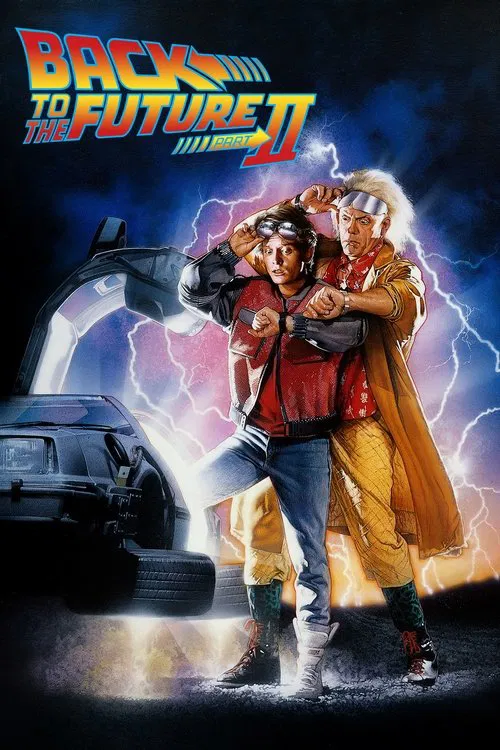
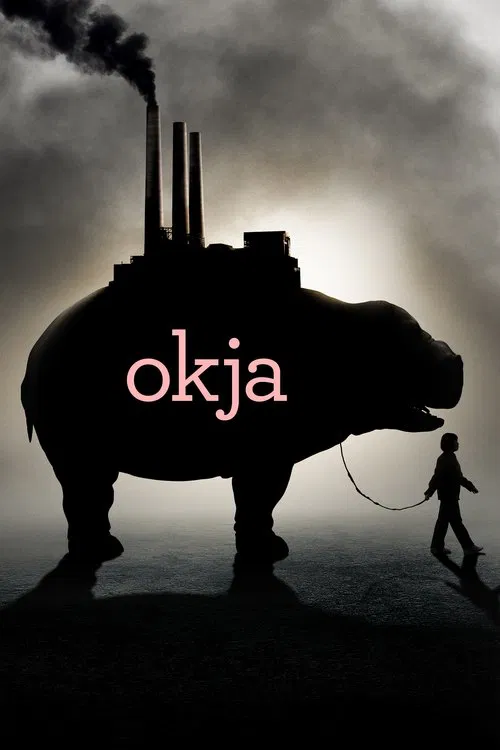
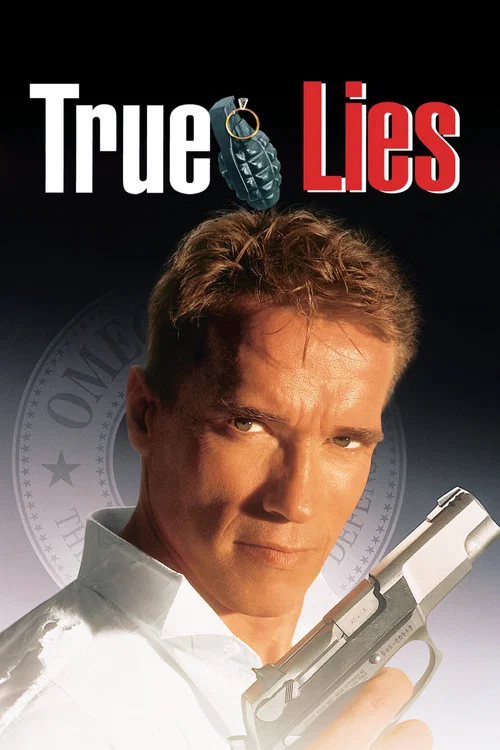
Films that share techniques with Indiana Jones and the Kingdom of the Crystal Skull include Back to the Future Part III (1990), True Lies (1994), Back to the Future Part II (1989), Okja (2017).