Comedy · Crime · Mystery

Barking Dogs Never Bite

Bong Joon-ho, 2000

In a drab apartment complex, an unemployed lecturer snaps over a barking dog and locks the wrong one in a basement. A bored clerk goes looking for the culprit. Bong's first feature is a small black comedy about people who want more from life, and it plays with speed in ways you rarely see.

Barking Dogs Never Bite (2000) poster

At a glance

Barking Dogs Never Bite is a 2000 comedy, crime and mystery film directed by Bong Joon-ho. This breakdown covers 4 techniques (1 narrative, 1 psychology, 1 editing and 1 cinematography), each with the scene where you can see it. If you like how it is made, Burn After Reading uses several of the same techniques.

Narrative

Deadpan Absurdism

Showing extreme, violent or surreal events while the characters react as if nothing unusual is happening. That mismatch is funny and unsettling at the same time.

How this film uses it

Yun-ju nearly drops a dog off a roof, then locks it in a cabinet, and the film treats it like ordinary apartment life. A janitor cooks lost dogs in the basement and no one acts shocked. The calm tone makes the cruelty funny and creepy at the same time.

Where to see it

The rooftop and the basement. Yun-ju finds a Shih Tzu, tries to throw it from the roof, and then hides it in the basement.


Psychology

Status and Self-Worth Anxiety

Centering a character's fear of being unimportant, replaced or left behind. Their pursuit of rank, success or recognition shows how fragile their self-worth is.

How this film uses it

Yun-ju is waiting for a university job and fears he is nothing without it. Hyun-nam, the clerk, dreams of becoming famous. Their small worries drive each of them to do foolish things.

Where to see it

The ending. Yun-ju finally becomes a professor but still seems unsatisfied, and Hyun-nam goes hiking with a friend.

Editing

Kinetic Set Piece Architecture

Building an action sequence as a chain where each solution creates a new problem. The layout of the space stays clear, so the escalation follows its own logic.

How this film uses it

Hyun-nam rescues the Toy Poodle from a homeless man in a chase through the building. The route runs through stairwells and corridors, and you always know where everyone is. Each turn adds a new complication.

Where to see it

The chase through the building. Hyun-nam finds the Toy Poodle with a homeless man, takes the dog and runs while he chases her through the complex.

Cinematography

Variable Frame Speed for Comedy

Changing the camera's filming speed within a scene so movement looks sped up or slowed down, which gives a chase or fall a cartoon feel.

How this film uses it

Bong shot the film with varied filming speeds to make it feel like a cartoon. A simple chase through a building becomes comic and slightly unreal. It matches the film's tone, which is serious and silly at once.

Where to see it

The chase after the dog thief. Hyun-nam runs after the hooded Yun-ju through the complex, and the footage shifts speed until she is knocked out by an opening door.

Questions

Barking Dogs Never Bite: quick answers

What filmmaking techniques does Barking Dogs Never Bite use?
CineCode breaks down 4 techniques in Barking Dogs Never Bite (2000): Deadpan Absurdism, Status and Self-Worth Anxiety, Kinetic Set Piece Architecture and Variable Frame Speed for Comedy.
Who directed Barking Dogs Never Bite?
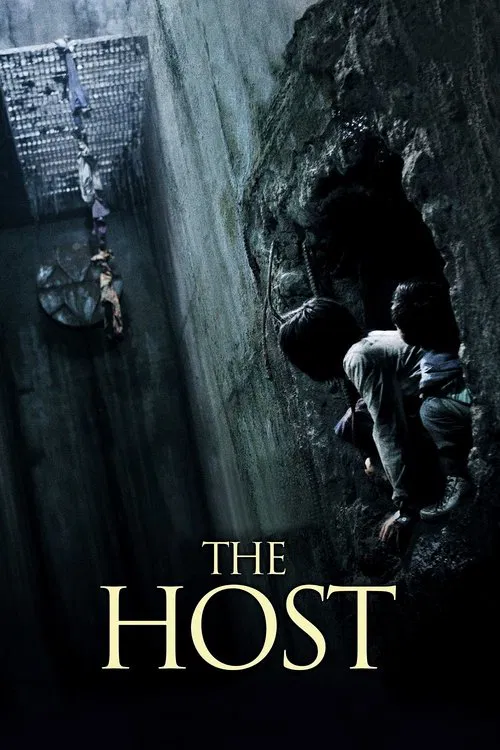
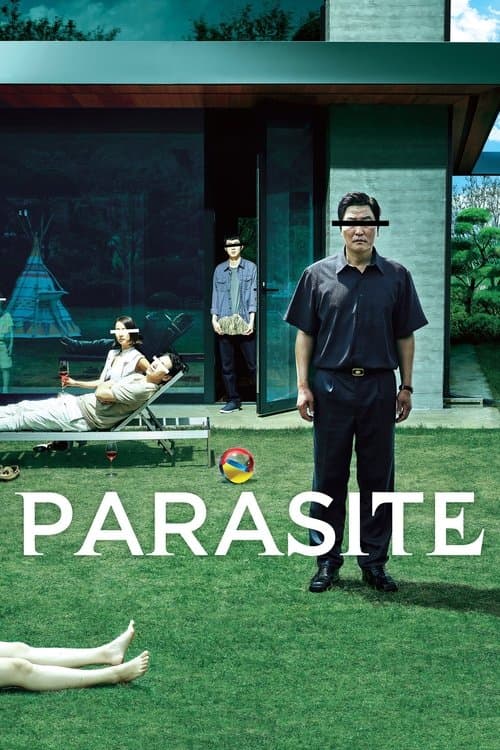
Bong Joon-ho directed Barking Dogs Never Bite, released in 2000. CineCode also covers Memories of Murder (2003), The Host (2006), Mother (2009), Snowpiercer (2013), Okja (2017), Parasite (2019).
What films are similar to Barking Dogs Never Bite?
Films that share techniques with Barking Dogs Never Bite include Burn After Reading (2008), Bugonia (2025), The Matrix (1999), Raiders of the Lost Ark (1981).