Action · Comedy · Thriller

True Lies

James Cameron, 1994

Harry Tasker is a secret agent whose wife thinks he sells computers. When he suspects her of cheating, he uses his agency to spy on her, just as terrorists with nuclear warheads arrive in Florida. Watch how Cameron stacks comedy, romance and huge action in one film.

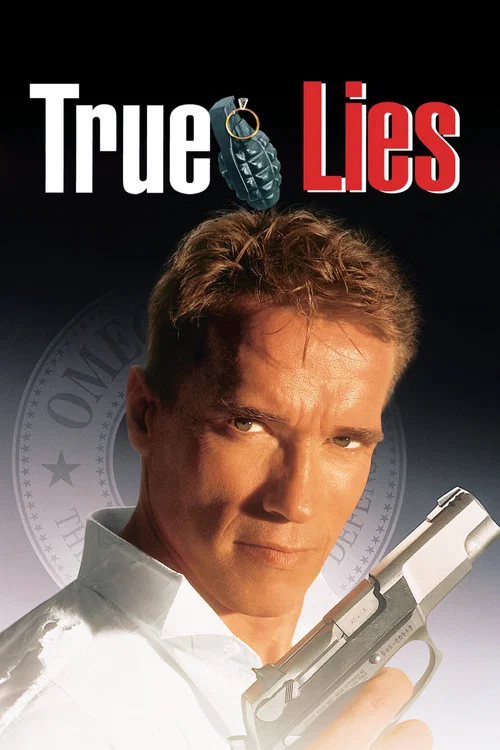
True Lies (1994) poster

At a glance

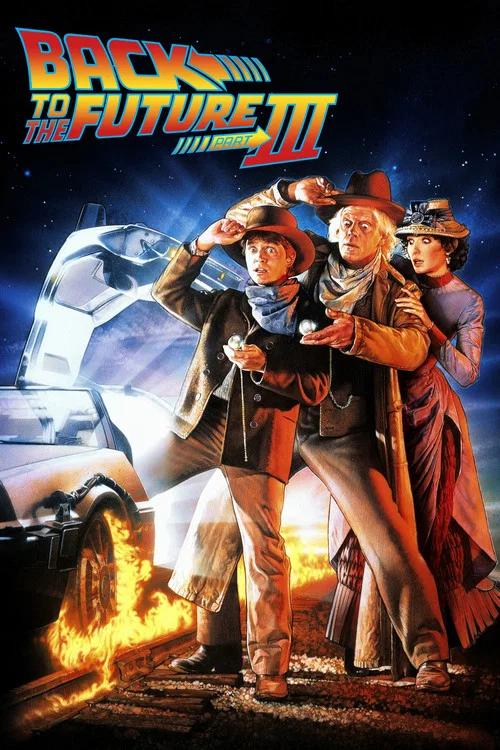
True Lies is a 1994 action, comedy and thriller film directed by James Cameron. This breakdown covers 5 techniques (3 narrative, 1 editing and 1 cinematography), each with the scene where you can see it. If you like how it is made, Back to the Future Part III uses several of the same techniques.

Narrative

Dramatic Irony

Letting the audience know something a character doesn't. You watch them act without that knowledge, which creates suspense, dread or dark comedy.

How this film uses it

You know Harry is a secret agent, and Helen thinks he sells computers. Every dull dinner and missed evening plays differently because you know the truth. The gap makes ordinary scenes funny.

Where to see it

Harry's cover story: Harry is a secret agent posing as a computer salesman, and Helen has no idea.
Narrative

Genre Collage

Mixing several genres in 1 film, such as crime, romance, horror and absurd comedy. The clash between them keeps you from settling into a single way of watching.

How this film uses it

The film moves between spy thriller, domestic comedy, romance and a disaster plot about nuclear weapons. The tonal swings keep you from settling into one kind of movie. Each part borrows energy from the others.

Where to see it

The tango: Harry and Helen dance a tango at a party while working a mission.

Narrative

Fish-Out-of-Water Comedy

Dropping a character into a world whose social rules they don't understand. The comedy, and some insight too, comes from the constant mismatch between them and everyone around them.

How this film uses it

Helen has lived an ordinary life and is suddenly dragged into Harry's world of spies and guns. She does not understand its rules, and the mismatch is funny. It also shows how much she has been shut out of his life.

Where to see it

The staged mission: Harry arranges a fake spy mission around Helen, and both end up captured.

Editing

Kinetic Set Piece Architecture

Building an action sequence as a chain where each solution creates a new problem. The layout of the space stays clear, so the escalation follows its own logic.

How this film uses it

The bridge sequence is a chain of problems, and each solution creates a new one. The layout stays clear, so you always know where the heroes and the danger are. The escalation follows its own logic.

Where to see it

The bridge: Marine Harrier jets destroy part of a bridge to stop the convoy, and Harry pulls Helen from a limousine just before it falls.

Cinematography

Voyeuristic Implication

Placing the camera like a hidden watcher, looking through peepholes, around corners and from concealed spots. You become part of the spying, which makes watching feel morally uneasy.

How this film uses it

Harry uses agency surveillance to watch his wife. The audience watches along with him, which makes it hard to side with him. The comedy works because the spying is wrong.

Where to see it

Harry spies on Helen: suspecting an affair, Harry has the agency watch his wife.

Questions

True Lies: quick answers

What filmmaking techniques does True Lies use?
CineCode breaks down 5 techniques in True Lies (1994): Dramatic Irony, Genre Collage, Fish-Out-of-Water Comedy, Kinetic Set Piece Architecture and Voyeuristic Implication.
Who directed True Lies?
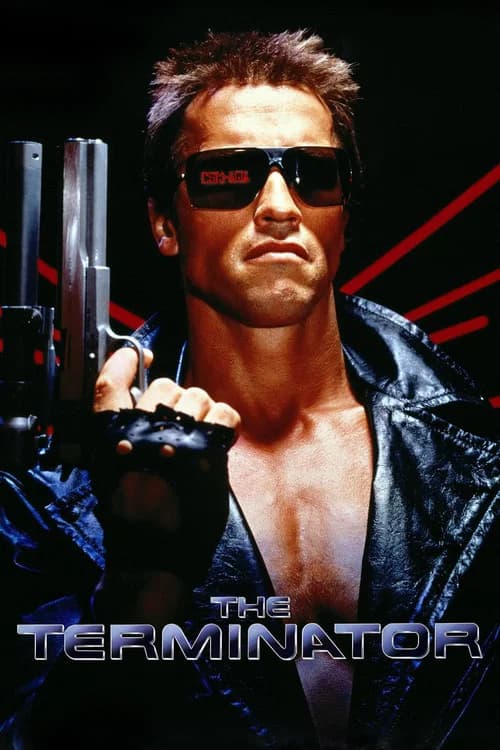
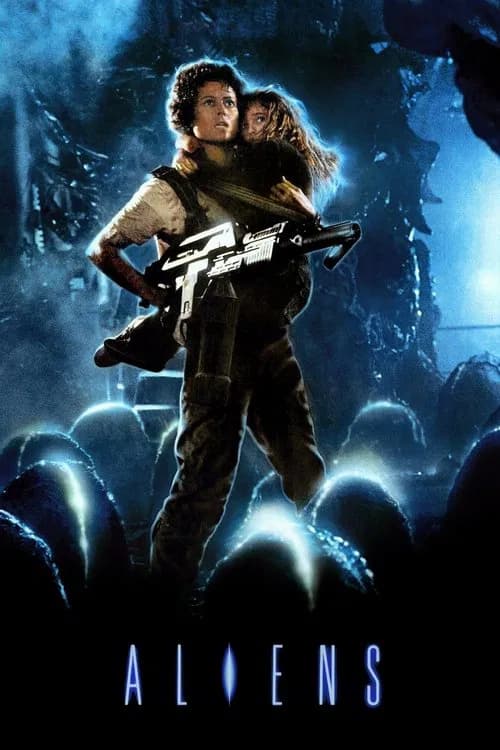
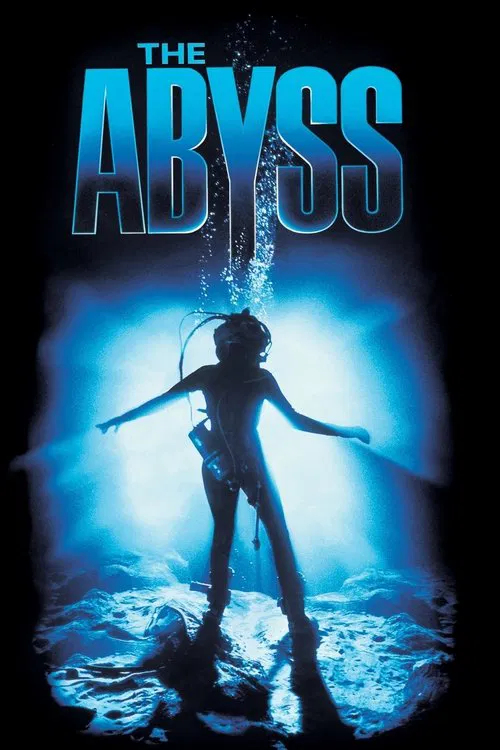
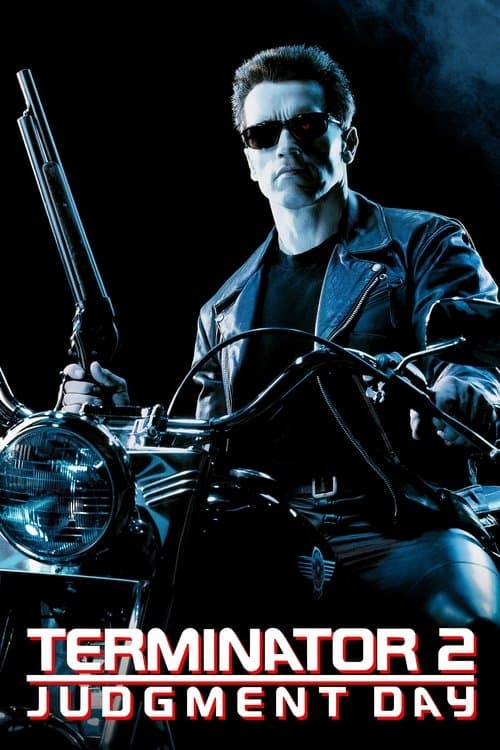
James Cameron directed True Lies, released in 1994. CineCode also covers The Terminator (1984), Aliens (1986), The Abyss (1989), Terminator 2: Judgment Day (1991), Titanic (1997), Avatar (2009).
What films are similar to True Lies?
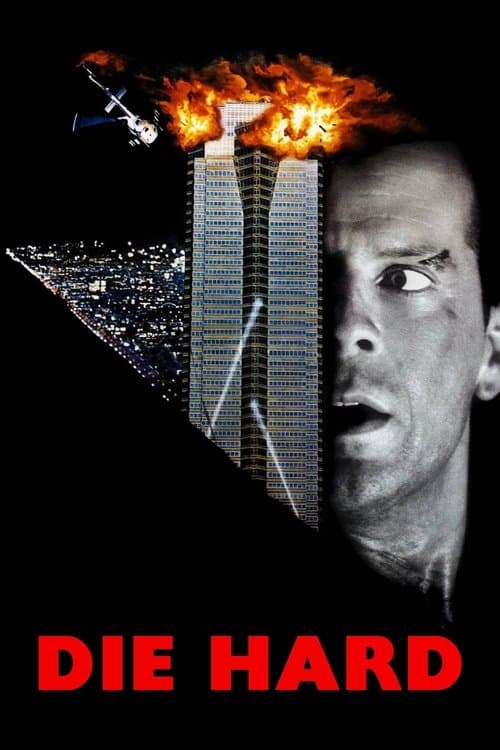
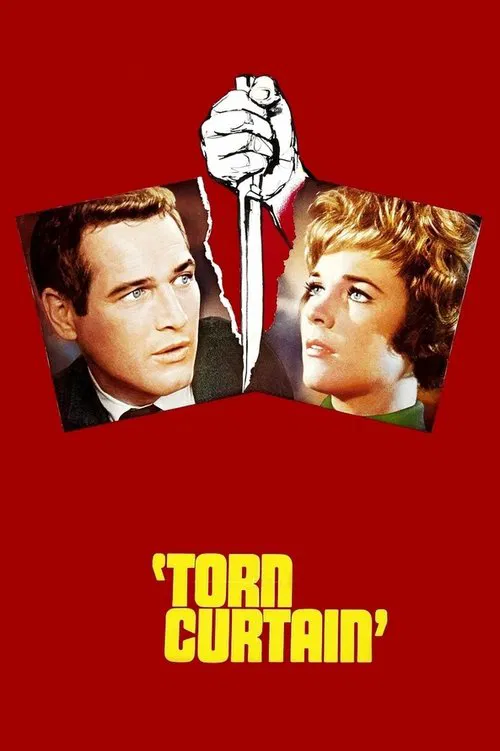
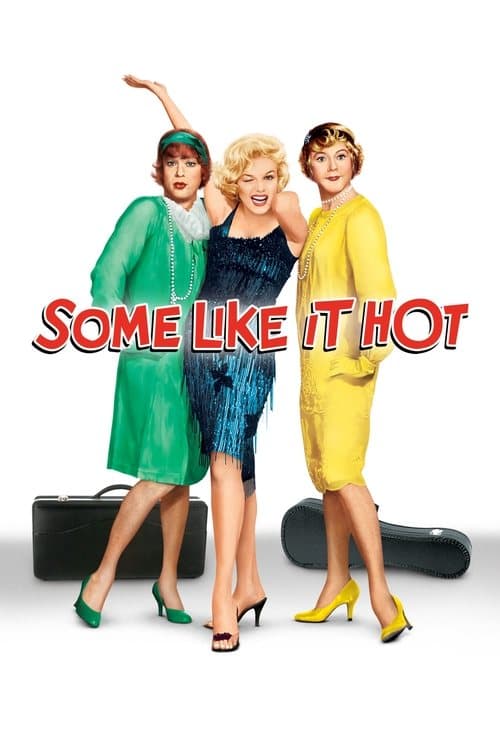
Films that share techniques with True Lies include Back to the Future Part III (1990), Some Like It Hot (1959), Die Hard (1988), Torn Curtain (1966).