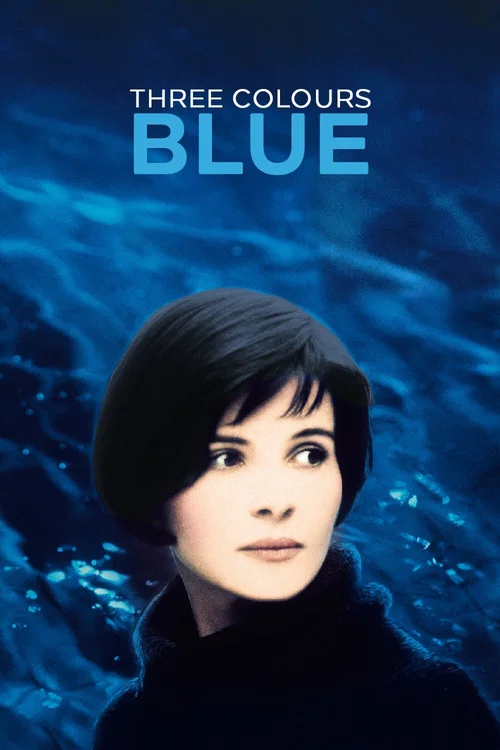
A woman survives the car crash that kills her composer husband and their daughter. She then tries to build a life of total freedom by cutting every emotional tie. She finds out that you can't choose your way out of grief and love. This is the first film in Kieślowski's trilogy. It uses blue to show a kind of liberty that looks exactly like isolation.
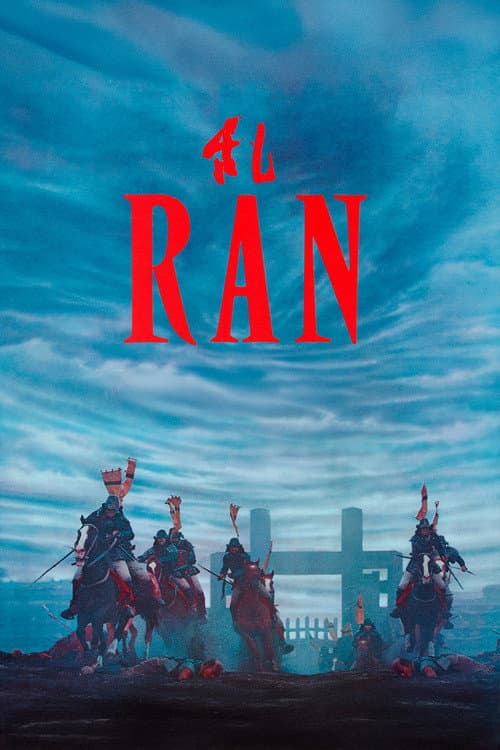
Three Colors: Blue is a 1993 drama film directed by Krzysztof Kieślowski. This breakdown covers 4 techniques (1 cinematography, 2 sound and 1 narrative), each with the scene where you can see it. If you like how it is made, Ran uses several of the same techniques.
Giving specific colors to characters, groups or ideas and sticking to them through the film. Each time a color appears, it tells you something beyond what is shown.
How this film uses it
Blue is all over Julie's world. It is the main light in her apartment, the lollipop she finds in her bag and the pool she swims in. It is the color of Liberty in the French tricolor flag. I feel like the film uses it to ask what freedom costs when it means cutting yourself off completely.
Where to see it
The blue mobile of beads from her old house, hung in her new apartment. It is the one object she kept. Its blue ties her to the life she is trying to leave behind.
Repeating one piece of music until it is tied to a memory or feeling. Each time it returns, it brings back everything you and the characters have been through.
How this film uses it
Julie is trying to forget, and her husband's unfinished symphony keeps breaking in. The music arrives uninvited, and a phrase surfaces in her mind. She is trying to destroy the score, and it insists on being remembered.
Where to see it
Julie hearing a street flautist play a fragment of the symphony in the alley outside her apartment. The music finds her. On her face, you see the grief she has refused to feel forcing its way in.
Removing music, background sound or dialogue from a moment where most films would fill it. The quiet forces you to sit with what is on screen.
How this film uses it
Kieślowski uses sudden, total silence to show Julie disconnecting from the world. The film goes completely quiet in the middle of a scene. The world cuts out the way emotion cuts out when grief gets too big to take in.
Where to see it
The repeated moments when the screen goes black and silent, during which a fragment of the symphony plays. The black image and the music are what Julie is experiencing inside. The silence before and after is the emptiness around the memory.
Watching events from a measured distance with no swelling music, tear-jerking close-ups or showy camera moves. The film trusts what happens to carry the weight on its own.
How this film uses it
Kieślowski lets Juliette Binoche's face carry the film's emotion, and the camera watches without explaining. You read her decision to live or to pull back from life in small physical choices. There is no dialogue where she confesses what she feels.
Where to see it
Julie in the pool. A long underwater shot watches her face as she decides whether to continue her new life or give in to grief.
Questions
Three Colors: Blue: quick answers
What filmmaking techniques does Three Colors: Blue use?
CineCode breaks down 4 techniques in Three Colors: Blue (1993): Color Symbolism, Musical Memory Trigger, Strategic Silence and Observational Restraint.
Who directed Three Colors: Blue?
Krzysztof Kieślowski directed Three Colors: Blue, released in 1993. CineCode also covers A Short Film About Love (1988), A Short Film About Killing (1988), The Double Life of Véronique (1991), Three Colors: Red (1994), Three Colors: White (1994).
What films are similar to Three Colors: Blue?
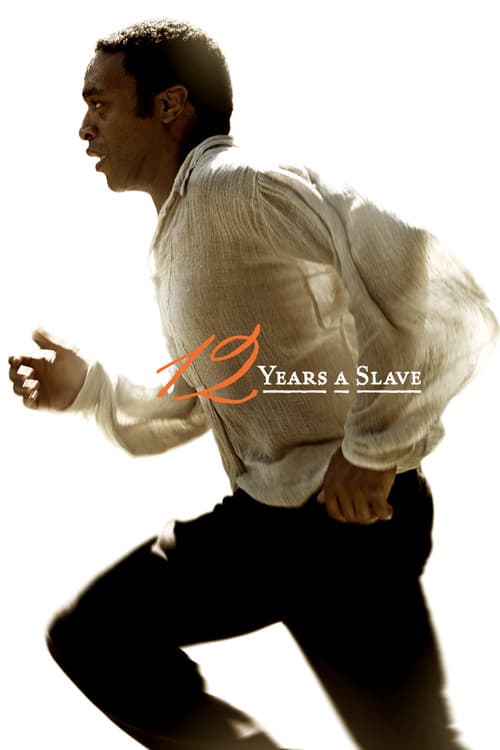
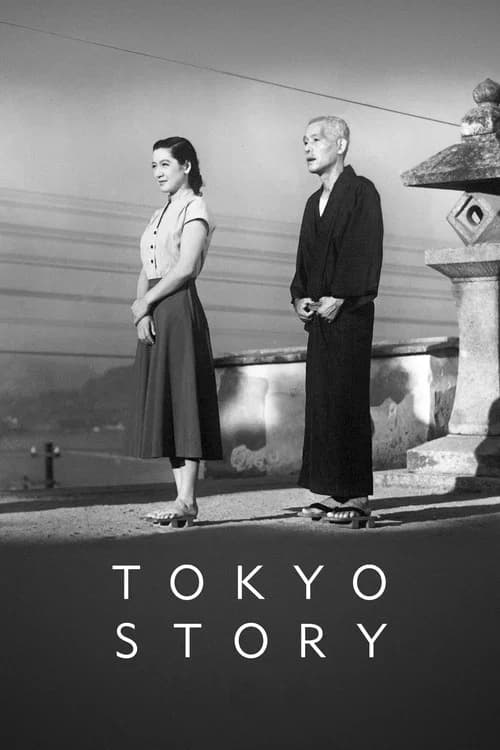
Films that share techniques with Three Colors: Blue include Ran (1985), 12 Years a Slave (2013), Tokyo Story (1953), A Ghost Story (2017).