Drama · Crime · Thriller

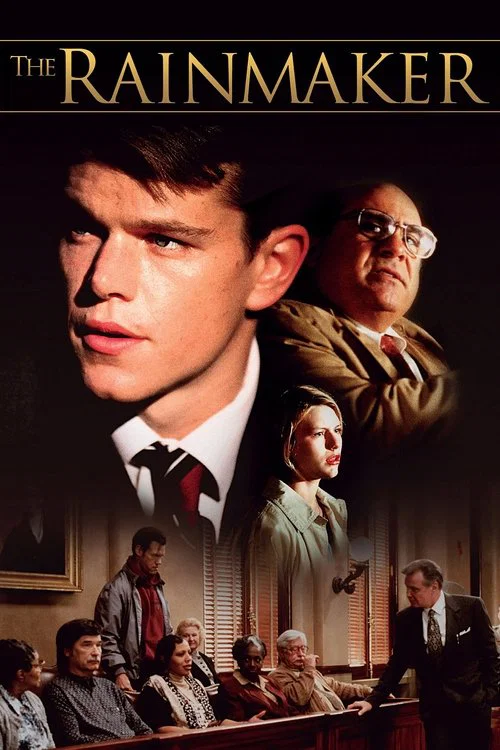
The Rainmaker

Francis Ford Coppola, 1997

Rudy Baylor, a Memphis law graduate with no clients, takes on a case against an insurance company that refused a dying young man a bone marrow transplant. He has almost no experience and faces a powerful corporate lawyer. Adapted from John Grisham's novel, it is Coppola's most traditional courtroom film.

The Rainmaker (1997) poster

At a glance

The Rainmaker is a 1997 drama, crime and thriller film directed by Francis Ford Coppola. This breakdown covers 4 techniques (2 narrative, 1 editing and 1 psychology), each with the scene where you can see it. If you like how it is made, Top Gun: Maverick uses several of the same techniques.

Narrative

Legal Theater

Staging a trial as a performance, with testimony and cross-examination played like theater. The rules can bring out the truth, or they can hide a verdict that was decided in advance.

How this film uses it

The trial plays as a performance, with testimony and cross-examination built like a show. Rudy faces the experienced Leo Drummond, who gets key testimony struck because it relied on a stolen manual. The rules of the court decide what you are allowed to hear.

Where to see it

The trial. Drummond has Jackie Lemanczyk's testimony struck, and Rudy gets it back with help from Bruiser, a fugitive in the Caribbean.


Editing

Callback Editing

Bringing back an earlier image, line, location or piece of staging later in the film, often with the situation reversed. You enjoy recognizing it, and the comparison adds meaning.

How this film uses it

Donny Ray's video deposition is recorded early and returns at the end. In the closing argument, Rudy plays an excerpt from it for the jury. The same footage that once showed a sick man answering questions now works as his argument to the jury.

Where to see it

The closing. Donny Ray dies days after his video deposition, and Rudy plays an excerpt of it in his closing.

Narrative

Earned Catharsis

Building up to a big emotional release slowly, by investing in the characters and giving small bits of hope. When the release comes, it feels deserved after all the suffering.

How this film uses it

The verdict is the release after a long run of small defeats and delays. The jury awards punitive damages the company can't pay, and Great Benefit declares bankruptcy. The family gets no payout, but the company is finished.

Where to see it

The verdict. The jury's award leaves Great Benefit bankrupt, and its CEO is arrested.

Psychology

Moral Anchor and Rescue

Giving a flawed hero a cause, such as one victim or one person to save, that tests their conscience. Their heroism stays tangled with their weaknesses.

How this film uses it

Rudy keeps the case about Donny Ray, a 22-year-old with leukemia whose insurer refused a transplant. Each scene with him raises the stakes without any legal jargon. By the time the jury hears him, you know exactly what the case means.

Where to see it

Donny Ray's family. Rudy and Deck take the Black family's case after their son is denied a bone marrow transplant.

Questions

The Rainmaker: quick answers

What filmmaking techniques does The Rainmaker use?
CineCode breaks down 4 techniques in The Rainmaker (1997): Legal Theater, Callback Editing, Earned Catharsis and Moral Anchor and Rescue.
Who directed The Rainmaker?
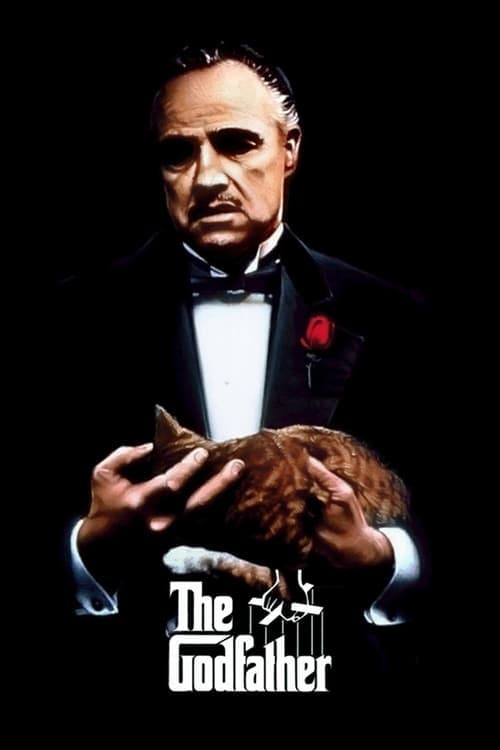
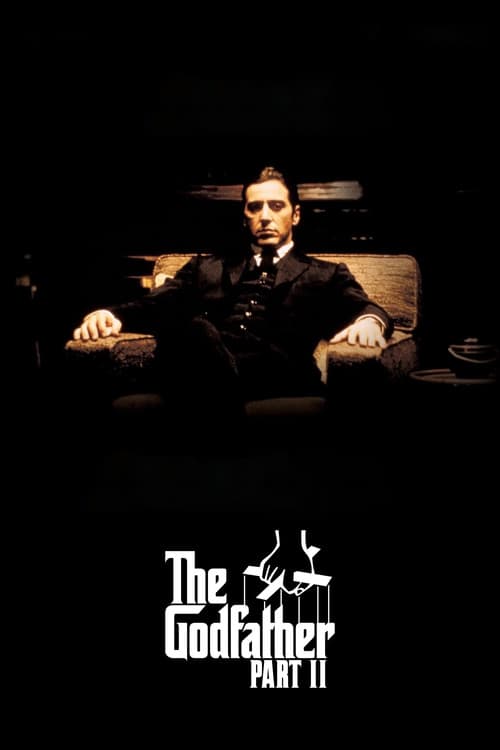
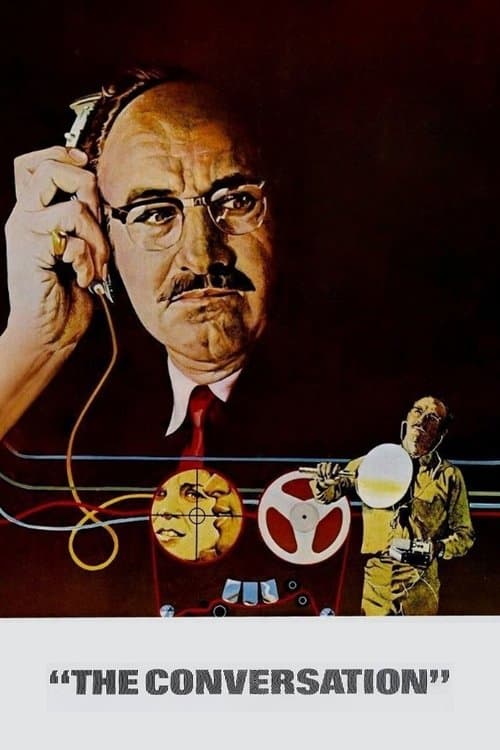
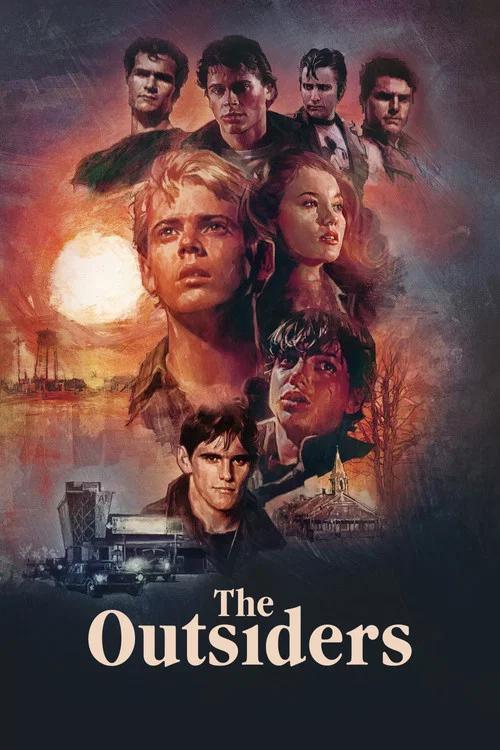
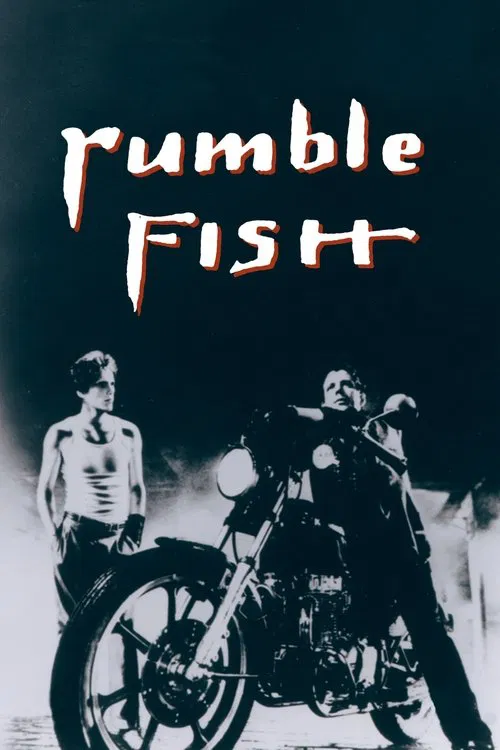
Francis Ford Coppola directed The Rainmaker, released in 1997. CineCode also covers The Godfather (1972), The Godfather Part II (1974), The Conversation (1974), Apocalypse Now (1979), The Outsiders (1983), Rumble Fish (1983).
What films are similar to The Rainmaker?
Films that share techniques with The Rainmaker include Top Gun: Maverick (2022), Intolerable Cruelty (2003), The Verdict (1982), The Terminal (2004).