Drama · Romance

Revolutionary Road

Sam Mendes, 2008

Frank and April Wheeler live in a Connecticut suburb and believe they are too special for it. April's plan to move the family to Paris gives them hope, until a promotion and an unplanned pregnancy get in the way. Look at how Mendes lets a neat house and lawn turn into a trap.

Revolutionary Road (2008) poster

At a glance

Revolutionary Road is a 2008 drama and romance film directed by Sam Mendes. This breakdown covers 4 techniques (2 psychology, 1 narrative and 1 cinematography), each with the scene where you can see it. If you like how it is made, A Little Princess uses several of the same techniques.

Psychology

Self-Image Sabotage

Letting a character's belief about themselves undermine their talent or fortune. They wreck their own chances because of how they see who they are.

How this film uses it

The Wheelers see themselves as different from their neighbors, and that belief is what holds them back. Frank talks big about Paris and then grabs a safe promotion. Their idea of themselves as special is the thing that keeps them from changing.

Where to see it

The Paris plan falls apart: Frank is offered a promotion and April becomes pregnant again, and the next day Frank takes the promotion.


Narrative

Familial Dissolution Scene

Staging a single confrontation where a family visibly breaks apart. It is usually the emotional peak of a slow decline, and it shows how far apart the members really are.

How this film uses it

The argument after the dinner with the Givings is where the marriage visibly breaks. Frank nearly attacks John, the Givings leave and April walks out into the night. You watch two people say what they cannot take back.

Where to see it

The Givings dinner: John lambasts Frank for crushing April's hope, Frank nearly attacks him, and then Frank and April have a fight.

Cinematography

Production Design as Psychological Space

Designing the sets to reflect what is going on inside a character. The place they live in tells you things about them that the dialogue doesn't.

How this film uses it

The Wheelers' house on Revolutionary Road looks perfect from the street. Inside, it holds the arguments, the pretending and the plans that go nowhere. The tidy suburban setting shows how stuck they are.

Where to see it

The move to 115 Revolutionary Road: The Wheelers settle into the suburban house when April becomes pregnant, and their troubled marriage starts there.

Psychology

Protective Fiction

Having a character invent and keep up a false version of reality to shield someone they love, or themselves, from a truth too painful to bear. The lie is a way to survive.

How this film uses it

After the fight, April makes breakfast as if nothing happened. She keeps up a calm, normal morning to hide what she is planning. Frank, who does not know what to say, plays along, and the pretending is more frightening than shouting.

Where to see it

The breakfast scene: Frank wakes to find April calmly making breakfast, eats with her and leaves for work, and April then goes to the bathroom.

Questions

Revolutionary Road: quick answers

What filmmaking techniques does Revolutionary Road use?
CineCode breaks down 4 techniques in Revolutionary Road (2008): Self-Image Sabotage, Familial Dissolution Scene, Production Design as Psychological Space and Protective Fiction.
Who directed Revolutionary Road?
Sam Mendes directed Revolutionary Road, released in 2008. CineCode also covers American Beauty (1999), Road to Perdition (2002), Jarhead (2005), Away We Go (2009), Skyfall (2012), Spectre (2015).
What films are similar to Revolutionary Road?
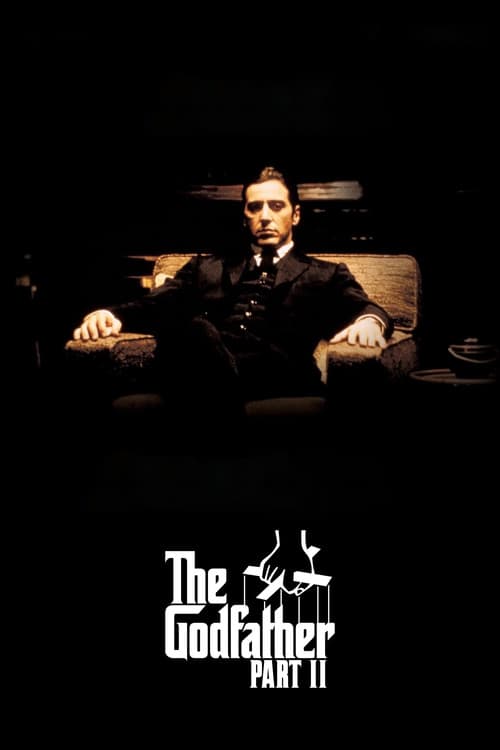
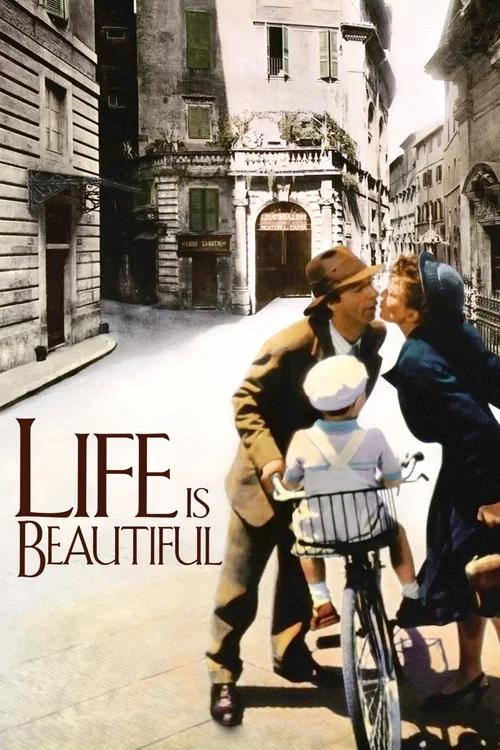
Films that share techniques with Revolutionary Road include A Little Princess (1995), 28 Years Later: The Bone Temple (2026), The Godfather Part II (1974), Life is Beautiful (1997).