Action · Adventure · Thriller

Spectre

Sam Mendes, 2015

A message from the past sends James Bond to Mexico City and then across Europe on an unauthorized hunt for a secret organization. He learns that the people he has fought for years are linked, and that the man behind it knows him personally. Watch how the opening carries you through a parade in one take.

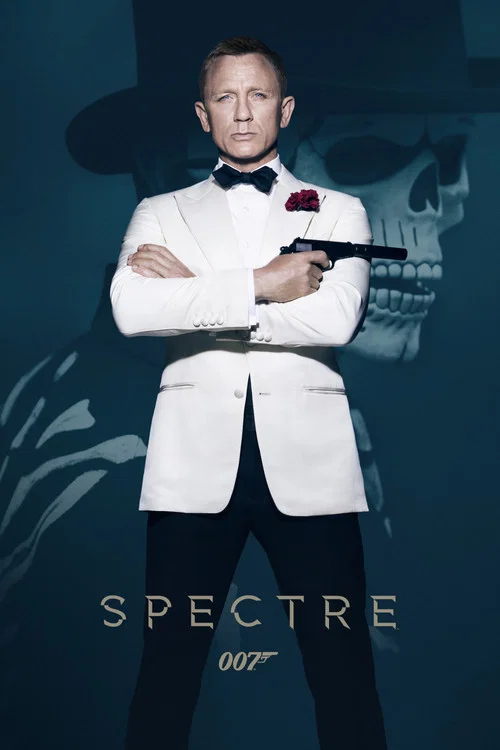
Spectre (2015) poster

At a glance

Spectre is a 2015 action, adventure and thriller film directed by Sam Mendes. This breakdown covers 4 techniques (1 cinematography, 2 narrative and 1 psychology), each with the scene where you can see it. If you like how it is made, Us uses several of the same techniques.

Cinematography

Tracking Shot Choreography

Moving the camera in 1 long, unbroken and carefully planned shot that follows the action through several spaces. You see how people fit into their world without a single cut.

How this film uses it

The film opens with a long take that joins six shots seamlessly. It follows Bond through the Day of the Dead parade in Mexico City and into the action. You see the whole crowd and the space before the helicopter fight begins.

Where to see it

The Mexico City opening: Bond foils a terrorist bombing during the Day of the Dead festival.

Narrative

Retroactive Reframing Revelation

Saving a reveal for the climax that changes the meaning of every scene before it. You have to rebuild the whole film in your head with the new knowledge.

How this film uses it

Q reveals that Le Chiffre, Dominic Greene and Raoul Silva were agents of the same organization. The earlier films suddenly look like parts of one plan. Looking back, Bond's old enemies were chapters in a single story.

Where to see it

Q's file check: Q reveals Le Chiffre, Dominic Greene and Raoul Silva as agents of Oberhauser's organization, which Madeleine says is named Spectre.

Psychology

Psychological Doubling

Pairing the main character with a second character who mirrors them. The double shows what the hero wants, fears or secretly is.

How this film uses it

Oberhauser, who takes the name Blofeld, grew up as Bond's adoptive brother. He believed his father loved Bond more. The villain is a dark reflection of the hero, which is why his plot feels personal.

Where to see it

The Sahara base: Oberhauser tortures Bond and tells Madeleine that he and Bond became adoptive brothers.

Narrative

Tonal Succession

Switching to a clearly different look and mood from one part to the next, either between chapters of 1 film or between a film and its sequel.

How this film uses it

Spectre follows Skyfall with a different look. Skyfall was shot only on digital cameras, while Hoyte van Hoytema shot most of Spectre on Kodak 35mm film. Where Skyfall felt sleek and cold, the sequel feels warm and grainy.

Where to see it

The Day of the Dead sequence: The Mexico City opening around the Zócalo is shot by Hoyte van Hoytema, who replaced Roger Deakins and shot mostly on 35mm film.

Questions

Spectre: quick answers

What filmmaking techniques does Spectre use?
CineCode breaks down 4 techniques in Spectre (2015): Tracking Shot Choreography, Retroactive Reframing Revelation, Psychological Doubling and Tonal Succession.
Who directed Spectre?
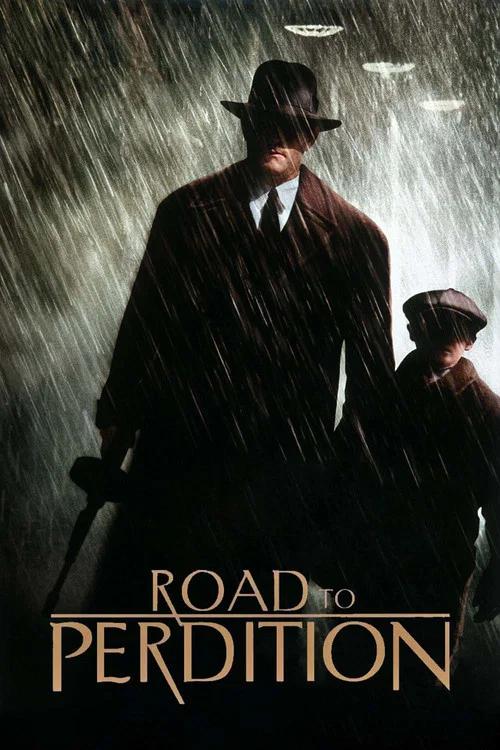
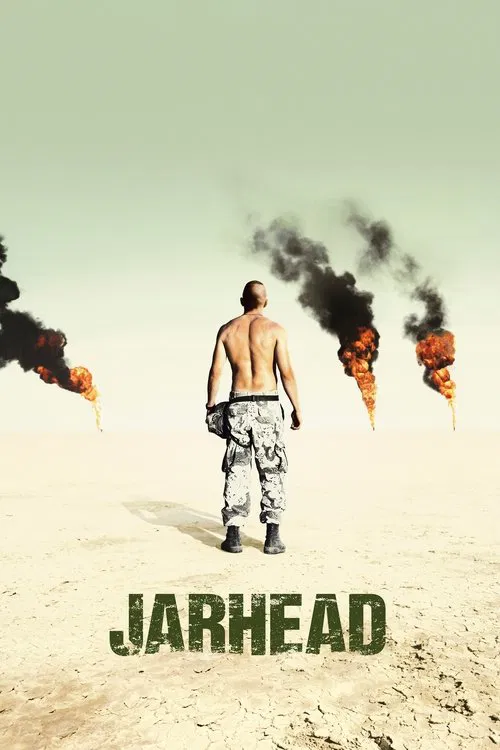
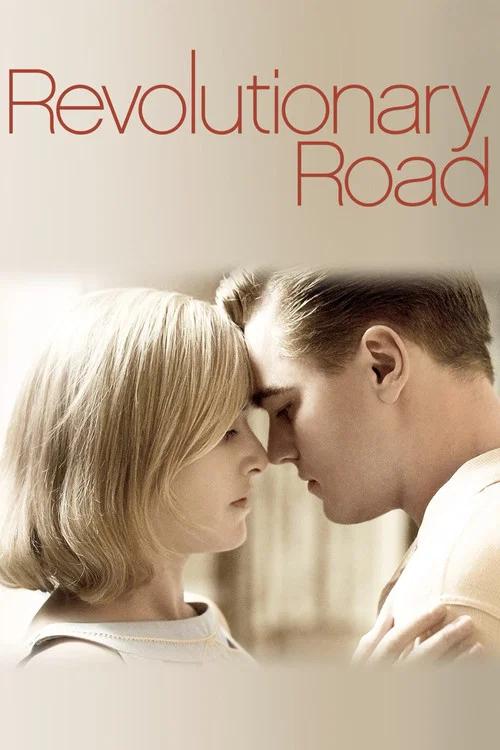
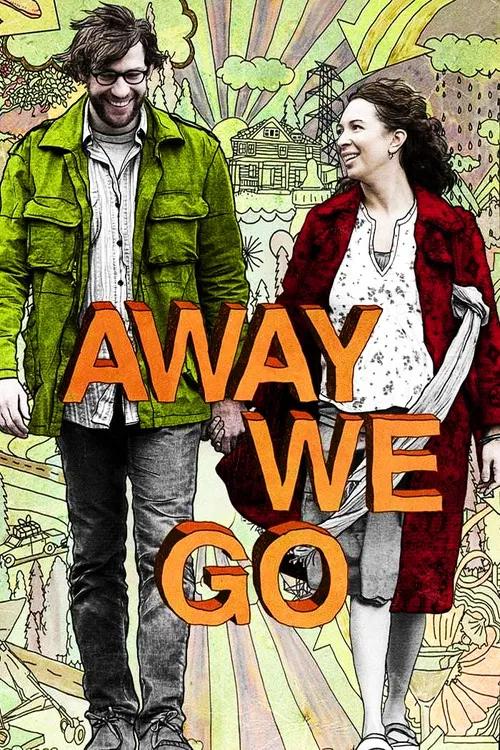
Sam Mendes directed Spectre, released in 2015. CineCode also covers American Beauty (1999), Road to Perdition (2002), Jarhead (2005), Revolutionary Road (2008), Away We Go (2009), Skyfall (2012).
What films are similar to Spectre?
Films that share techniques with Spectre include Us (2019), Harry Potter and the Prisoner of Azkaban (2004), Alien: Covenant (2017), Black Swan (2010).