Crime · Drama · Thriller

Road to Perdition

Sam Mendes, 2002

In 1931, Michael Sullivan is an enforcer for an Irish mob boss in Illinois. When his wife and younger son are murdered, he flees with his surviving son, Michael Jr., and hunts the men responsible. Look at how Mendes borrows from Edward Hopper paintings to light a gangster story.

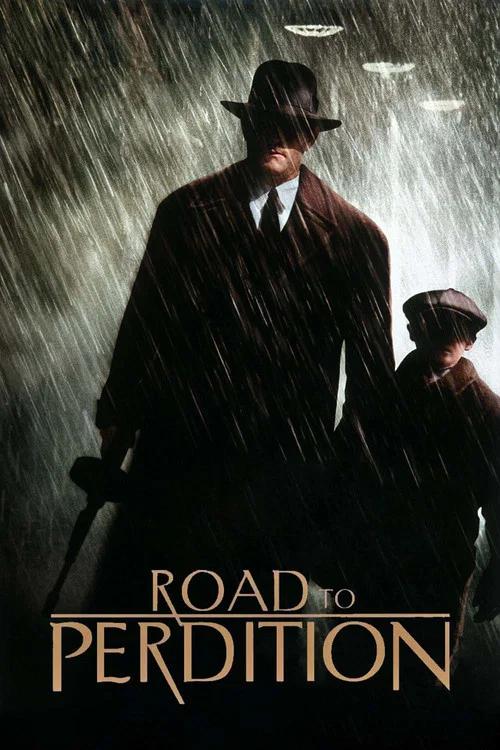
Road to Perdition (2002) poster

At a glance

Road to Perdition is a 2002 crime, drama and thriller film directed by Sam Mendes. This breakdown covers 5 techniques (2 narrative, 2 cinematography and 1 psychology), each with the scene where you can see it. If you like how it is made, Amadeus uses several of the same techniques.

Narrative

Retrospective Voiceover

Having a narrator tell the story from some point after it happened. The events feel like memory, and you sense early on that something will be lost.

How this film uses it

Michael Jr. narrates the story from some point after it happened. The events feel like a memory, and you sense early on that his father's life will not end well. His last words give the film its emotional answer.

Where to see it

The final narration: Michael says he has not held a gun since his father's death, and when asked if his father was a good man, he says he tells people he was his father.
Cinematography

Chiaroscuro Lighting

Lighting a scene with strong contrast between bright light and deep shadow, a style borrowed from old paintings called chiaroscuro. How lit a character is hints at their moral or mental state.

How this film uses it

Mendes and cinematographer Conrad Hall drew on Edward Hopper's paintings, especially New York Movie, for the lighting, with a "less is more" approach. Pools of light and large areas of shadow leave faces half hidden. Hall posthumously won the Oscar for the film's cinematography.

Where to see it

Sullivan and Maguire at the diner: The two men talk casually in a roadside diner while Michael sleeps in the car.

Cinematography

Color Palette as Worldbuilding

Limiting the film to a tightly chosen set of colors, or giving each place or state its own set. The colors tell you about the world and its mood without dialogue.

How this film uses it

Mendes sought a muted palette for the film, and he shot exteriors in real winter and spring weather, including snow, rain and mud. The grays and browns make the Depression-era Midwest feel cold and bleak. The colors suit the idea that none of these men will be saved.

Where to see it

The winter road scenes: Sullivan and Michael travel through the Midwest in the cold on their way to Perdition.

Narrative

The Mentor-Monster Dynamic

Making the character who threatens the hero most also the one who helps them most. You can't separate the danger from the guidance.

How this film uses it

Sullivan is a feared killer known as the Angel of Death, and he is also the only person who can protect his son. He teaches Michael to drive so the boy can serve as a getaway driver during bank robberies. The danger and the guidance come from the same man.

Where to see it

The driving lessons: Sullivan teaches Michael to drive so that he can be the getaway driver while Sullivan robs the banks that hold the Outfit's money.

Psychology

Psychological Doubling

Pairing the main character with a second character who mirrors them. The double shows what the hero wants, fears or secretly is.

How this film uses it

Maguire is a contract killer who photographs his victims, and he shadows Sullivan across the film. He shows Sullivan what a man who kills without a conscience looks like. Their talk in the diner makes the two feel like reflections of each other.

Where to see it

The shootout at Rance's: During the escape, Maguire and Sullivan wound each other and Rance is killed in the crossfire.

Questions

Road to Perdition: quick answers

What filmmaking techniques does Road to Perdition use?
CineCode breaks down 5 techniques in Road to Perdition (2002): Retrospective Voiceover, Chiaroscuro Lighting, Color Palette as Worldbuilding, The Mentor-Monster Dynamic and Psychological Doubling.
Who directed Road to Perdition?
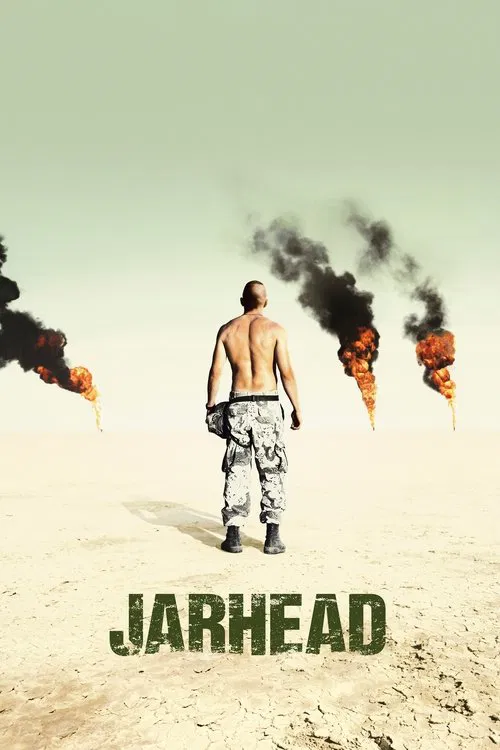
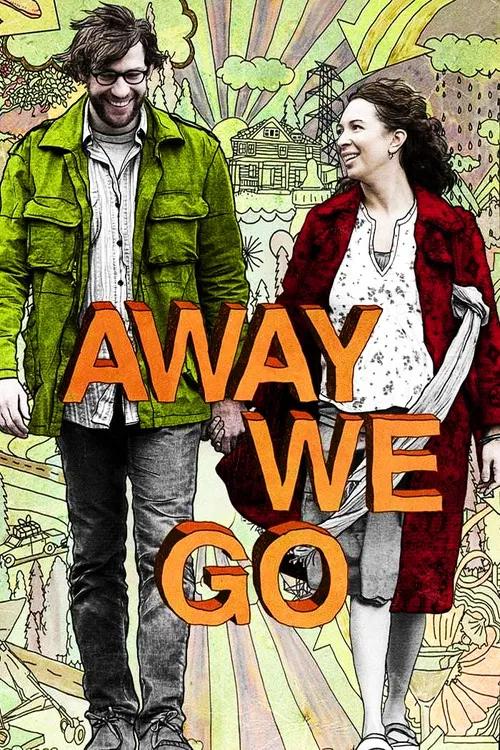
Sam Mendes directed Road to Perdition, released in 2002. CineCode also covers American Beauty (1999), Jarhead (2005), Revolutionary Road (2008), Away We Go (2009), Skyfall (2012), Spectre (2015).
What films are similar to Road to Perdition?
Films that share techniques with Road to Perdition include Amadeus (1984), Chinatown (1974), Eyes Wide Shut (1999), The Witch (2015).