Drama

American Beauty

Sam Mendes, 1999

A suburban husband in a midlife crisis becomes obsessed with his daughter's teenage friend. Meanwhile, his wife chases her own ambitions and his daughter falls in love with a disturbed boy next door. Sam Mendes' film is a darkly comic autopsy of the ideal American home.

American Beauty (1999) poster

At a glance

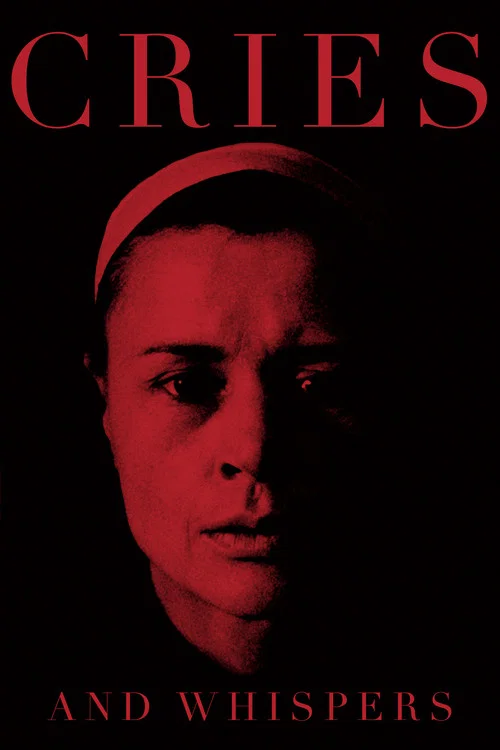
American Beauty is a 1999 drama film directed by Sam Mendes. This breakdown covers 4 techniques (2 narrative and 2 cinematography), each with the scene where you can see it. If you like how it is made, Cries and Whispers uses several of the same techniques.

Narrative

Dead Narrator

Having the story told in voiceover by someone who is already dead or dying. Once you know, the whole film plays like a confession with no chance of rescue.

How this film uses it

Lester tells you in the opening voiceover that he will be dead within a year. Once you know that, every scene after it plays like a man already looking back at his own life from beyond it.

Where to see it

Lester's opening voiceover: 'My name is Lester Burnham. This is my neighborhood... In less than a year, I'll be dead.'
Cinematography

Color Symbolism

Giving specific colors to characters, groups or ideas and sticking to them through the film. Each time a color appears, it tells you something beyond what is shown.

How this film uses it

Red roses show up in Carolyn's garden and in the famous rose-petal fantasy sequences around Angela. They become the film's visual signature for repressed desire, and for the gap between what America promises and what it delivers.

Where to see it

Angela lying in a bed of red rose petals in Lester's fantasy. Here, beauty is both an ideal and a delusion, and desire is both a liberation and a trap.

Cinematography

Production Design as Psychological Space

Designing the sets to reflect what is going on inside a character. The place they live in tells you things about them that the dialogue doesn't.

How this film uses it

The Burnham house is a showroom for suburban aspiration: pristine, tasteful and cool in its blues, but short on inner balance. The Fitts house next door is its reverse. It sits in exaggerated darkness and symmetry, with a depressed military palette.

Where to see it

The Burnham dining table, with its formal centerpiece and rigid seating. The set design tells you this family is putting on a show, and the show has replaced real intimacy.

Narrative

Retrospective Voiceover

Having a narrator tell the story from some point after it happened. The events feel like memory, and you sense early on that something will be lost.

How this film uses it

Lester narrates from after his death, which adds irony to every scene. He knows how it ends. His commentary swings between making fun of himself and a fairly hard-won clarity.

Where to see it

Ricky's plastic bag video. He describes the day he filmed it as 'one of those days when it's a minute away from snowing and there's this electricity in the air'.

Questions

American Beauty: quick answers

What filmmaking techniques does American Beauty use?
CineCode breaks down 4 techniques in American Beauty (1999): Dead Narrator, Color Symbolism, Production Design as Psychological Space and Retrospective Voiceover.
Who directed American Beauty?
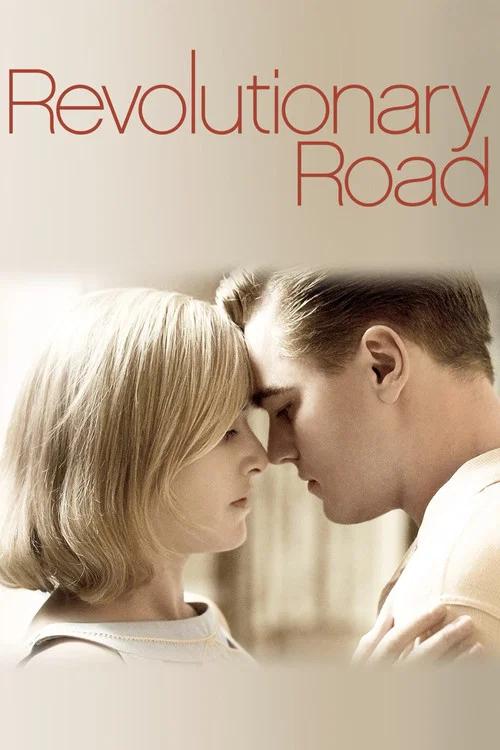
Sam Mendes directed American Beauty, released in 1999. CineCode also covers Road to Perdition (2002), Jarhead (2005), Revolutionary Road (2008), Away We Go (2009), Skyfall (2012), Spectre (2015).
What films are similar to American Beauty?
Films that share techniques with American Beauty include Cries and Whispers (1972), Mulholland Drive (2001), 28 Years Later: The Bone Temple (2026), The Shawshank Redemption (1994).