War · Comedy · Drama

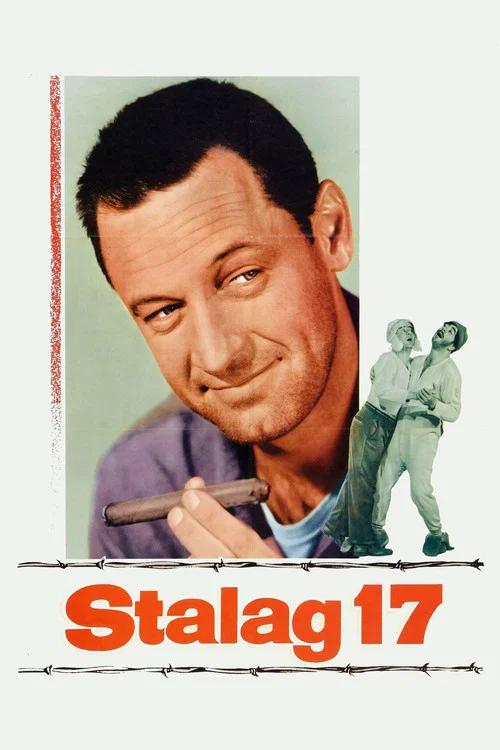
Stalag 17

Billy Wilder, 1953

In a German prison camp in 1944, the men of Barracks 4 are sure there is an informant after two escapees are shot. They turn on cynical hustler Sefton, the one man who trades with the guards. Wilder mixes barracks jokes with real fear and hides the true traitor in plain sight.

Stalag 17 (1953) poster

At a glance

Stalag 17 is a 1953 war, comedy and drama film directed by Billy Wilder. This breakdown covers 5 techniques (3 narrative, 1 cinematography and 1 psychology), each with the scene where you can see it. If you like how it is made, The Thing uses several of the same techniques.

Narrative

Comedy Under Duress

Putting jokes and comic performance inside dangerous or desperate situations. The humor works as a way of resisting, and you never forget what the characters are laughing through.

How this film uses it

The prisoners stage rat races, brew alcohol and spy on the women's compound through a homemade telescope. The jokes help them survive, and you never forget they are prisoners whose friends have just been shot.

Where to see it

Rat races and barracks antics: Sefton organizes rat races for gambling, runs an improvised distillery and rigs a telescope to spy on the Russian women's compound.

Narrative

Ensemble Characterization Without Backstory

Introducing a large cast only through what they say and do in the present. There are no flashbacks or explained histories, yet each character feels distinct.

How this film uses it

A large barracks of men comes alive through what they do. Sefton trades, Animal and Shapiro clown, Hoffy leads and Price handles security. The film never stops for flashbacks, yet each man is easy to tell apart.

Where to see it

The failed escape: The men of Barracks 4 arrange an escape for Manfredi and Johnson. Both are shot dead, and the barracks decides there must be an informant.

Cinematography

Single-Location Cinematography

Shooting almost the whole film in 1 confined place. Set design and camera movement keep it visually interesting, and the space itself takes on meaning as the story goes on.

How this film uses it

Nearly the whole story plays inside one camp, mostly in and around Barracks 4. The camp was built on a ranch in Woodland Hills, and shooting began in February 1952 in the rainy season, which supplied plenty of mud.

Where to see it

Christmas Eve celebration: During the party in the barracks, Price stealthily switches out the black queen, reads the hidden message and resets the signal.

Narrative

The Long Reveal

Holding back a key piece of information for a large part of the film, then revealing it in 1 moment. Everything you already watched now means something different.

How this film uses it

The clues sit in plain sight. The guard Schulz straightens the looped light-bulb cord as a signal and collects hidden messages from a hollow chess piece. Wilder shot the film in story order, and the cast reportedly did not learn who the informant was until the last 3 days of shooting.

Where to see it

Sefton exposes Price: Sefton accuses Price of being a German spy. He lays out the signals Price used, and the men are convinced.

Psychology

Wrongful Accusation Pressure

Putting an innocent person under blame or suspicion and showing the damage it does to them and those near them. The accusation distorts the community's judgment.

How this film uses it

Sefton trades openly with the guards, so everyone decides he must be the informant. You are tempted to agree, which makes the men's cruelty feel closer to home.

Where to see it

The beating: After the radio is confiscated and the camp commandant arrests Dunbar, the men blame Sefton again and beat him.

Questions

Stalag 17: quick answers

What filmmaking techniques does Stalag 17 use?
CineCode breaks down 5 techniques in Stalag 17 (1953): Comedy Under Duress, Ensemble Characterization Without Backstory, Single-Location Cinematography, The Long Reveal and Wrongful Accusation Pressure.
Who directed Stalag 17?
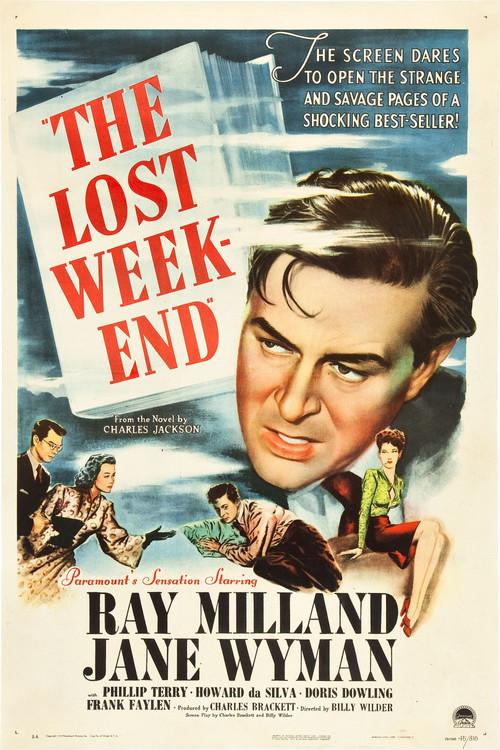
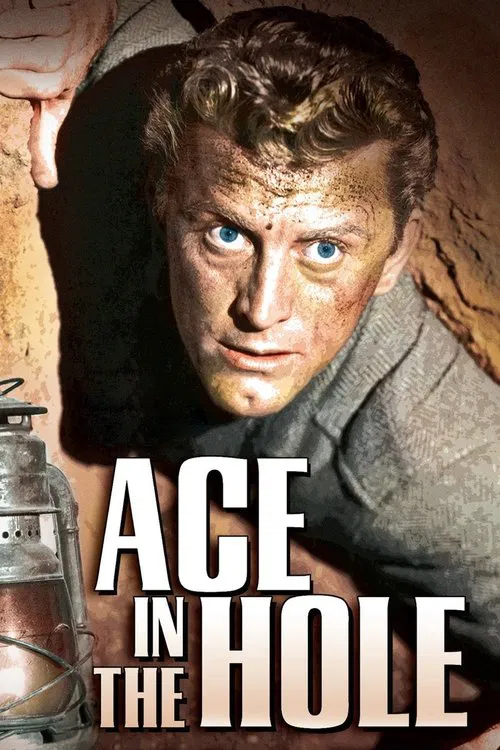
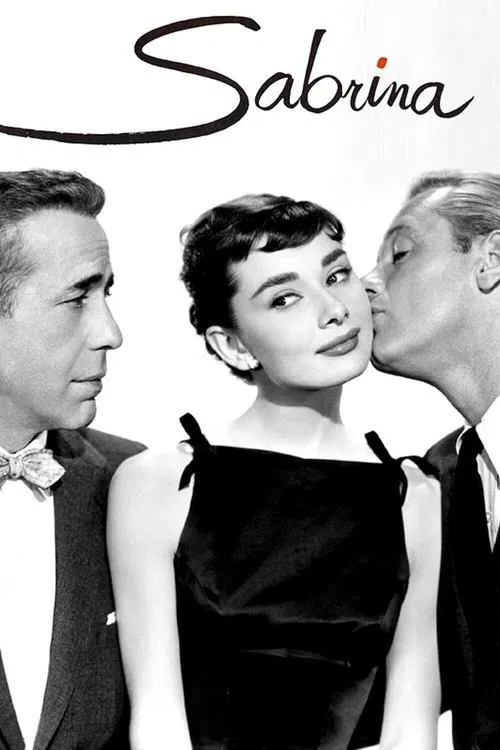
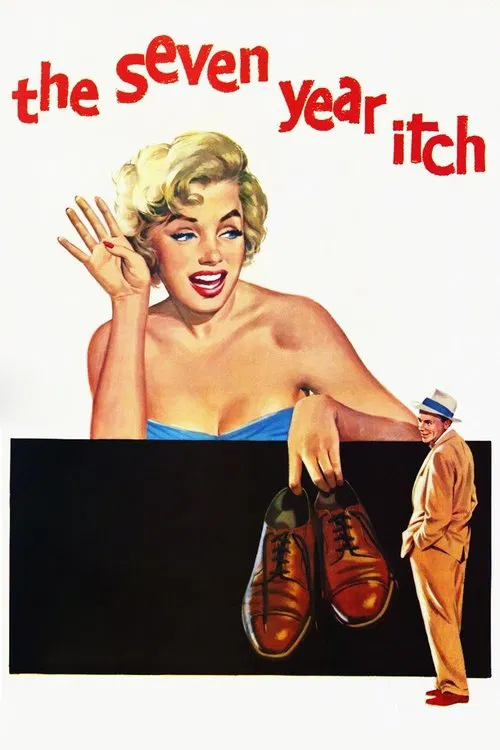
Billy Wilder directed Stalag 17, released in 1953. CineCode also covers Double Indemnity (1944), The Lost Weekend (1945), Sunset Boulevard (1950), Ace in the Hole (1951), Sabrina (1954), The Seven Year Itch (1955).
What films are similar to Stalag 17?
Films that share techniques with Stalag 17 include The Thing (1982), Key Largo (1948), Murder on the Orient Express (1974), Project Hail Mary (2026).