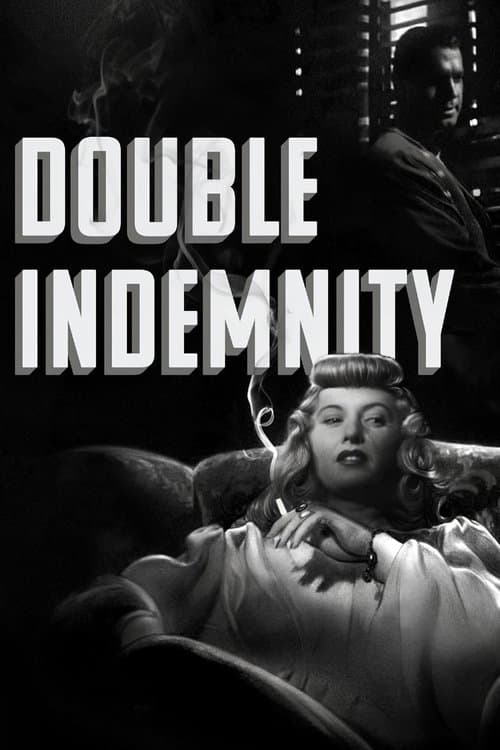
Double Indemnity
Billy Wilder · 1944
An insurance salesman is seduced by a client's wife into helping murder her husband and collect on the policy — then discovers that the scheme was always designed to consume him as well. The film that established the femme fatale and the criminal confession as noir's defining elements.
Techniques Used
4 techniques identified in this film
Dead Narrator
NarrativeA narrator who is already dead or dying at the moment of narration — confessing, explaining, or reviewing their own fate from a point after the story's conclusion.
How this film uses it
Walter Neff dictates his confession into a Dictaphone while bleeding to death from a gunshot wound. He knows how the story ends; the film is his account of how he got there. The dead narrator structure creates a particular tone of fatalistic honesty — he has nothing left to protect, no future to preserve, so the account is unguarded.
Voiceover as Seduction
NarrativeA first-person narration so intimate, witty, and self-aware that the audience is drawn into the narrator's perspective regardless of the moral content of what they are narrating.
How this film uses it
Neff's narration is the most enjoyable account of committing murder in film history — clever, self-deprecating, precise about its own moral failures. Wilder and Chandler make the voiceover the film's seduction instrument: the audience is as charmed by Neff as Neff was charmed by Phyllis, and the narration implicates them in exactly the same vulnerability.
Chiaroscuro Lighting
CinematographyHigh-contrast lighting using deep shadows and isolated sources to create moral and psychological meaning through the relationship between illumination and darkness.
How this film uses it
John Seitz's cinematography uses venetian blind shadows falling across characters' faces — the visual grammar of guilt and entrapment made literal. Phyllis is never fully illuminated; Walter moves between light and shadow as his moral position oscillates. The lighting system makes the film's noir worldview a visual argument rather than a statement.
Frame Narrative as Trap
NarrativeA framing structure — a confession, an investigation — that appears to contain the story but is itself the story's final revelation of its protagonist's fate.
How this film uses it
The confession frame begins with Neff already caught, already dying. Everything the frame contains is reconstruction of how the trap was built and entered. The frame is the trap's final form: Neff is confessing to the man who will expose him, to the machine that will preserve the evidence. The narration is itself the last act of the scheme's destruction of him.
You Might Also Like
Films that share at least one technique with Double Indemnity
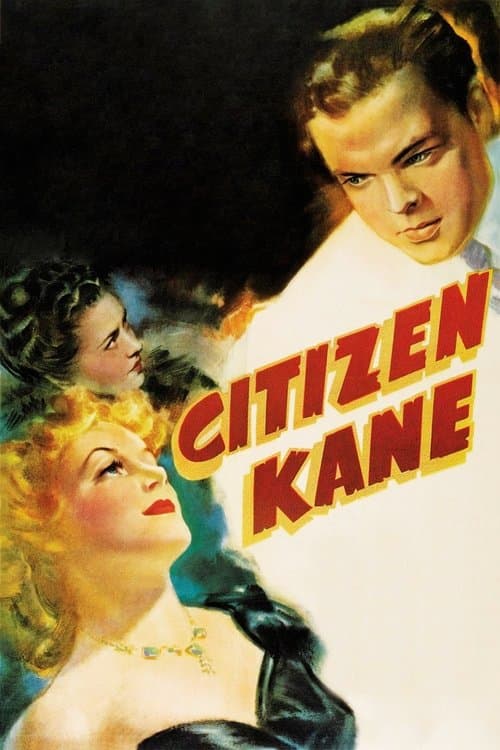
A reporter investigates the life of deceased media mogul Charles Foster Kane by interviewing those who knew him, assembling contradictory accounts that never fully explain the man. Widely considered the most technically influential film ever made.
Citizen Kane
Orson Welles · 1941
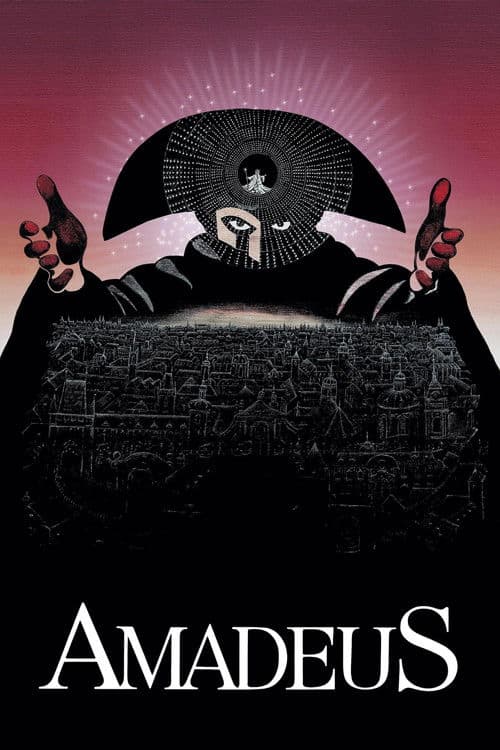
Antonio Salieri, court composer to the Austrian Emperor, becomes consumed by his hatred of the divinely gifted Wolfgang Amadeus Mozart. A film about mediocrity's relationship to genius — told entirely by the mediocre man, who understands exactly what he lacks and cannot forgive.
Amadeus
Miloš Forman · 1984
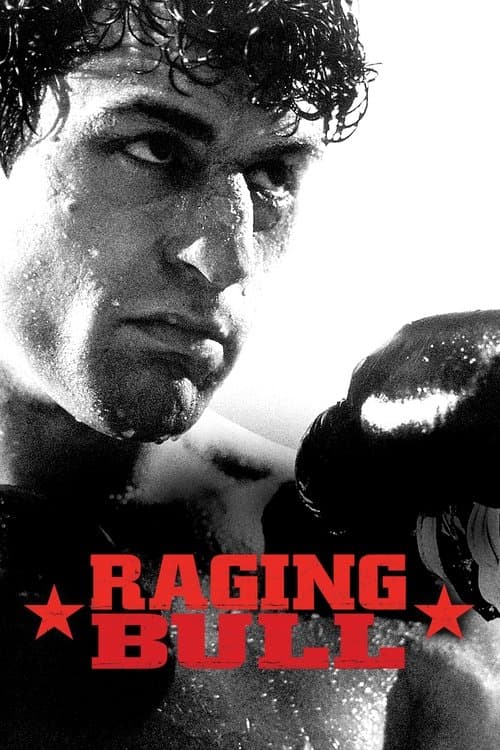
The rise and fall of middleweight boxing champion Jake LaMotta, whose volcanic jealousy and self-destructive rage corrode every relationship in his life. Martin Scorsese's black-and-white portrait is less a sports film than a relentless study in masculine shame.
Raging Bull
Martin Scorsese · 1980