Crime · Drama · Film Noir

The Asphalt Jungle

John Huston, 1950

A criminal mastermind gets out of prison and assembles a crew for a jewelry store robbery. The job works, and then the gang falls apart through greed, betrayal and bad luck. The film treats the thieves as people with dreams.

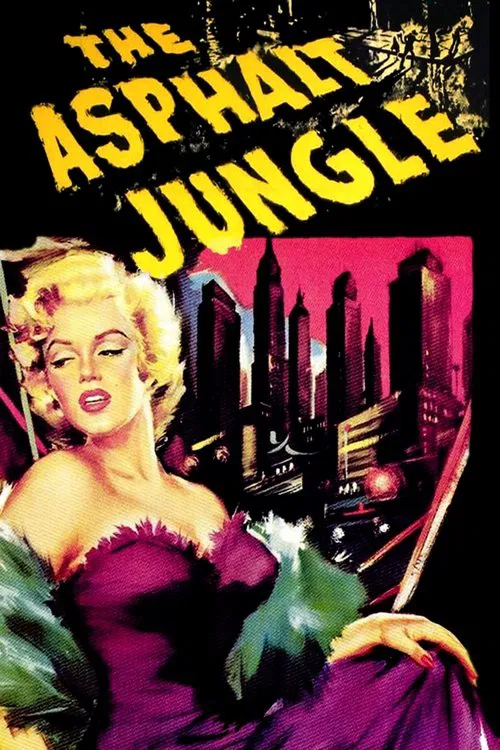
The Asphalt Jungle (1950) poster

At a glance

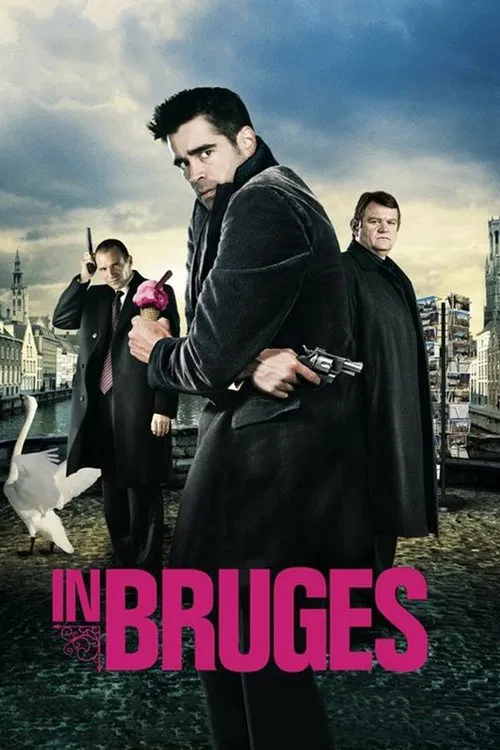
The Asphalt Jungle is a 1950 crime, drama and film noir film directed by John Huston. This breakdown covers 4 techniques (2 narrative, 1 editing and 1 cinematography), each with the scene where you can see it. If you like how it is made, In Bruges uses several of the same techniques.

Narrative

Professional Ensemble Template

Gathering a team of specialists for one dangerous job, each defined by a particular skill and their relationship to violence. Heist films, war films and superhero team-ups all follow this template.

How this film uses it

Doc gathers a safecracker, a driver and a hooligan, each hired for a specific skill. The lawyer Emmerich funds the job. The way the crew is built shows how each man will matter, and how each could fail.

Where to see it

The recruitment. Doc hires Ciavelli as the safecracker, Gus as the driver and Dix as the muscle.
Editing

Kinetic Set Piece Architecture

Building an action sequence as a chain where each solution creates a new problem. The layout of the space stays clear, so the escalation follows its own logic.

How this film uses it

The heist is a chain of problems. Ciavelli breaks through a wall, disables an alarm and opens the safe with nitroglycerine. The blast sets off other alarms nearby. Then Dix hits a guard whose revolver goes off and wounds Ciavelli.

Where to see it

The jewelry store robbery. The nitroglycerine blast sets off alarms in nearby buildings, and the guard's revolver shoots Ciavelli.

Cinematography

Real Locations as Character

Filming in recognizable real places so the setting acts like part of the cast. Streets, buildings and landscapes shape the mood of the story.

How this film uses it

The opening of Dix evading the police was shot on location in Cincinnati, and the final scene was shot at Keeneland in Lexington. Cinematographer Harold Rosson worked with Huston to blend neorealist naturalism with film noir styling. The real places make the thieves feel like people from an actual city.

Where to see it

The opening chase. Dix slips through the streets and past the police.

Narrative

Ironic Downfall

Building a plot so that a character's scheme or solution backfires through their own flaw, delivering a fitting and often darkly comic reversal.

How this film uses it

Doc is on his way out of town with the jewels when he stops at a roadside diner. A young woman dancing to the jukebox holds his attention, and the delay gets him recognized and arrested. A careful man loses because he wanted to look.

Where to see it

The roadside diner. Doc watches the girl at the jukebox, and 2 policemen arrest him after finding the jewels in his overcoat.

Questions

The Asphalt Jungle: quick answers

What filmmaking techniques does The Asphalt Jungle use?
CineCode breaks down 4 techniques in The Asphalt Jungle (1950): Professional Ensemble Template, Kinetic Set Piece Architecture, Real Locations as Character and Ironic Downfall.
Who directed The Asphalt Jungle?
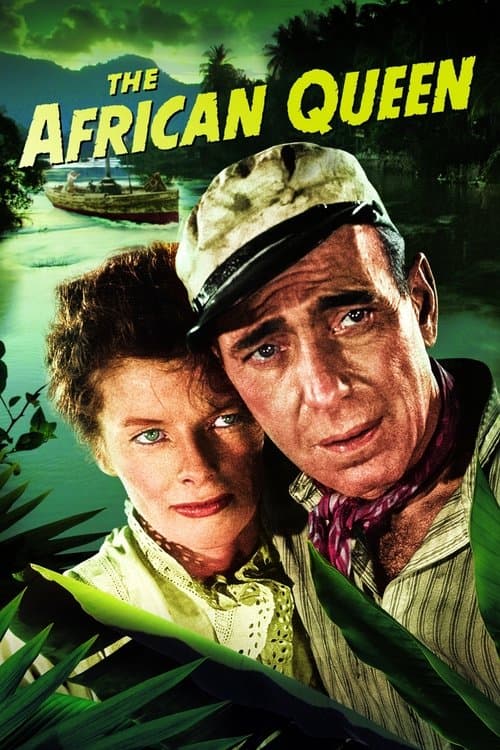
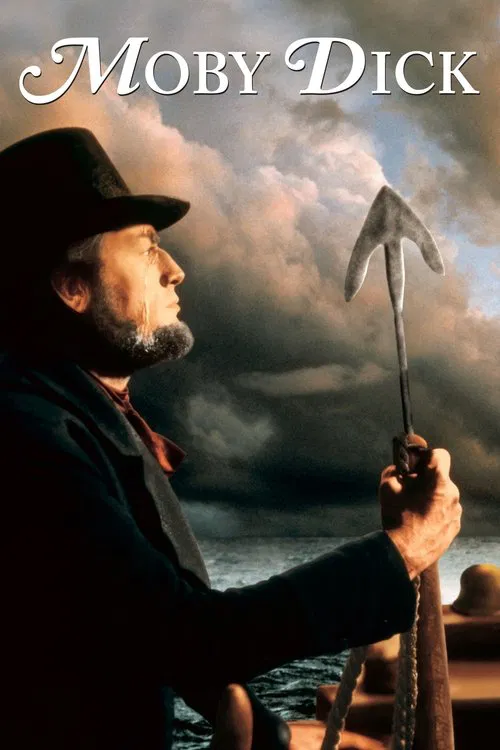
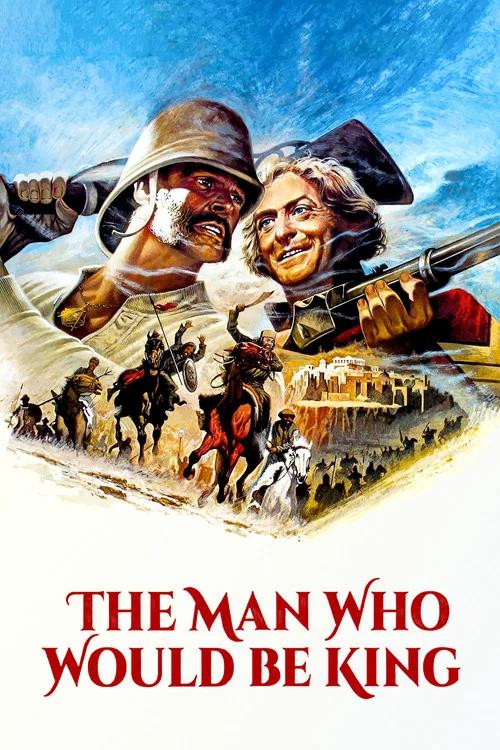
John Huston directed The Asphalt Jungle, released in 1950. CineCode also covers The Maltese Falcon (1941), The Treasure of the Sierra Madre (1948), Key Largo (1948), The African Queen (1951), Moby Dick (1956), The Man Who Would Be King (1975).
What films are similar to The Asphalt Jungle?
Films that share techniques with The Asphalt Jungle include In Bruges (2008), To Live and Die in L.A. (1985), The Bourne Legacy (2012), The Lord of the Rings: The Fellowship of the Ring (2001).