The narrator who makes it all up
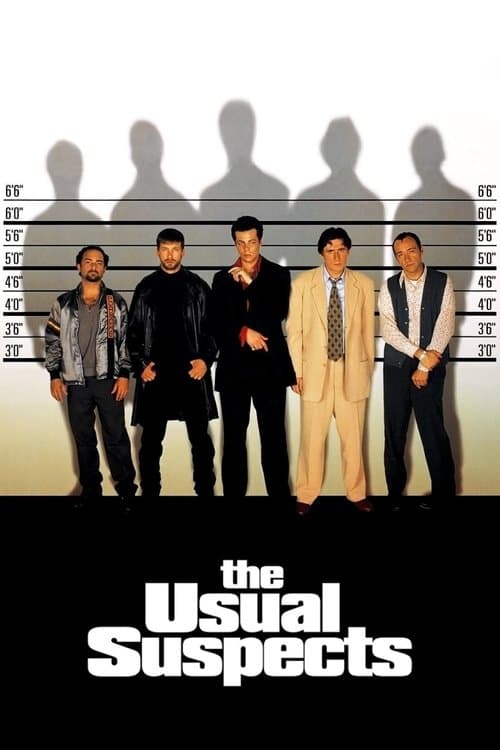
The Usual Suspects (1995) is the one most people think of first. Verbal Kint spends the film telling a federal agent what happened. In the final minutes, you learn he invented it as he went. The customs agent looks at his bulletin board and recognizes the names and faces Verbal pulled into the story. The film you watched was built from things sitting in that room.
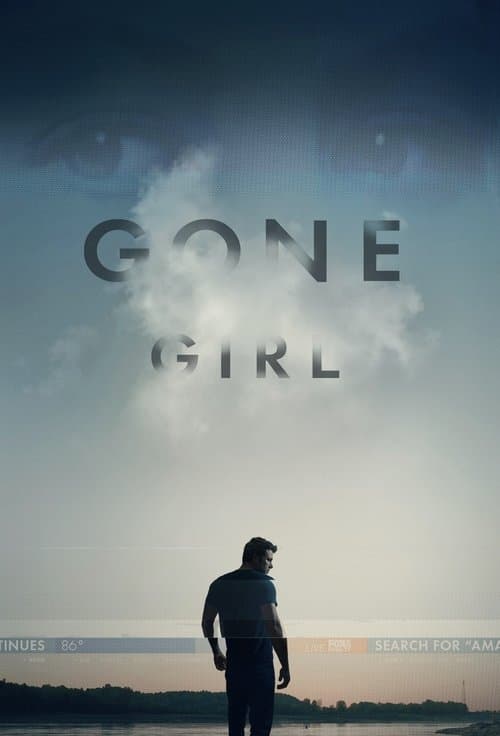
Gone Girl (2014) does it with a diary. Amy's entries play as private confessions, warm and a little sad, and you take them at face value. Later, the film shows you she wrote them to frame Nick, with the police as the readers she had in mind. Her narration goes cold in one scene. Nick's side of the story is shaped by what he wants too, so you're left with 2 accounts and nobody to fully believe.
The narrator whose mind is building the story
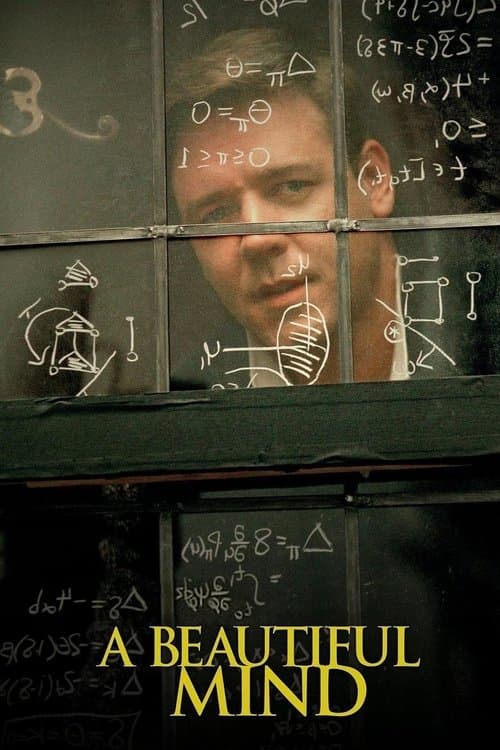
In A Beautiful Mind (2001), the camera stays inside John Nash's point of view for the whole first act. You never get a second angle to check against. When the government conspiracy turns out to be his delusion, you have to rebuild the film in your head. The scene where Alicia finds his work room covered in clippings is where everything rearranges.
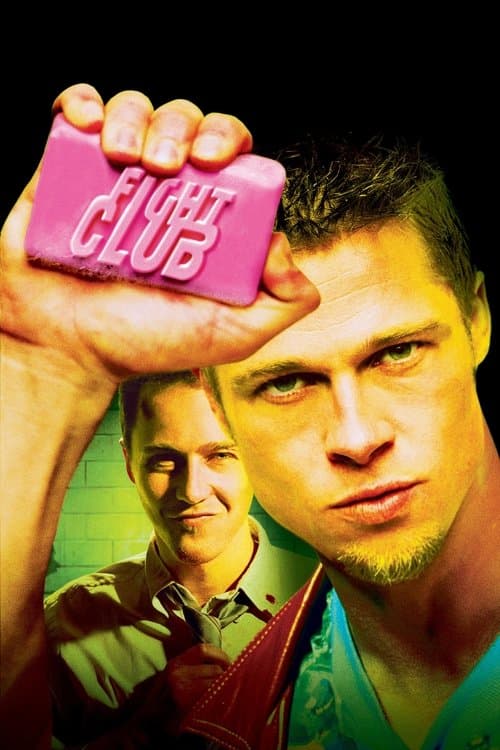
Fight Club (1999) plays fair in a sneakier way. Tyler Durden turns out to exist only in the Narrator's mind, and Fincher hid that in plain sight. Tyler flashes up in single frames before he's properly introduced, including one at an airport baggage carousel. On a rewatch, you'll also notice that Tyler's dialogue never overlaps with anyone else's.
Twists that make you replay everything
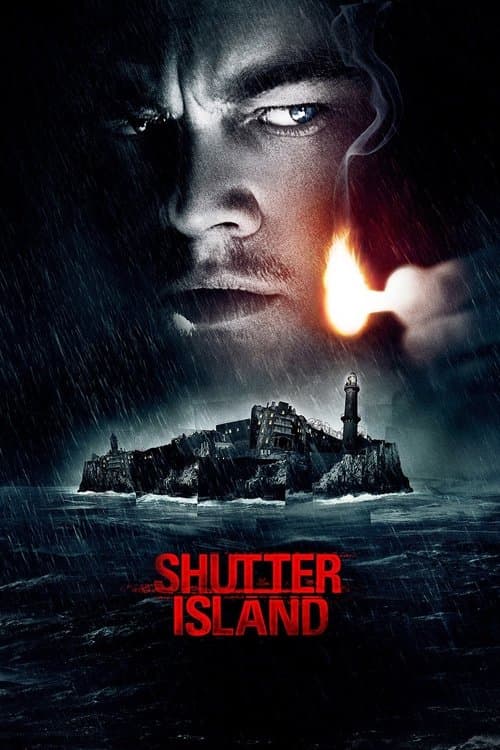
Shutter Island (2010) holds back the truth about Teddy Daniels until Dr. Cawley lays it out. After that, the staff's strange behavior reads as role-play, and the threatening buildings turn out to be part of a treatment. You end up rewatching 2 hours in your head with a different key.
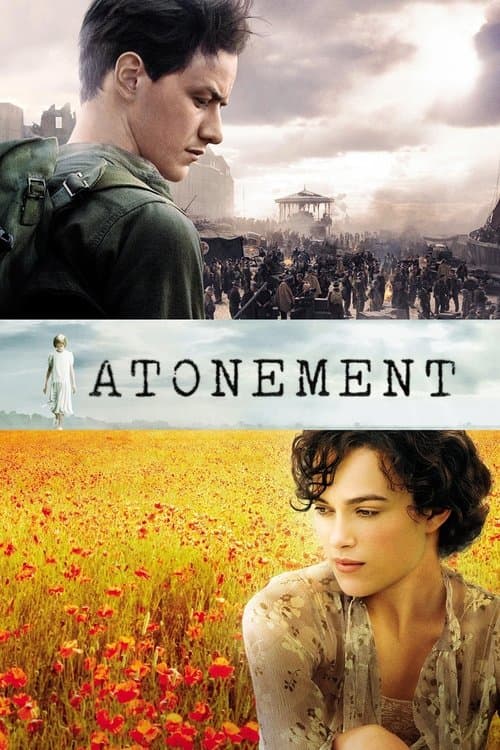
Atonement (2007) moves the lie to the writer. The final act reveals that the story you've been watching is Briony's novel, and the reconciliation in it never happened. An elderly Briony admits it in a TV interview. The romance you followed becomes a story about her guilt.
Every witness has a reason to bend it
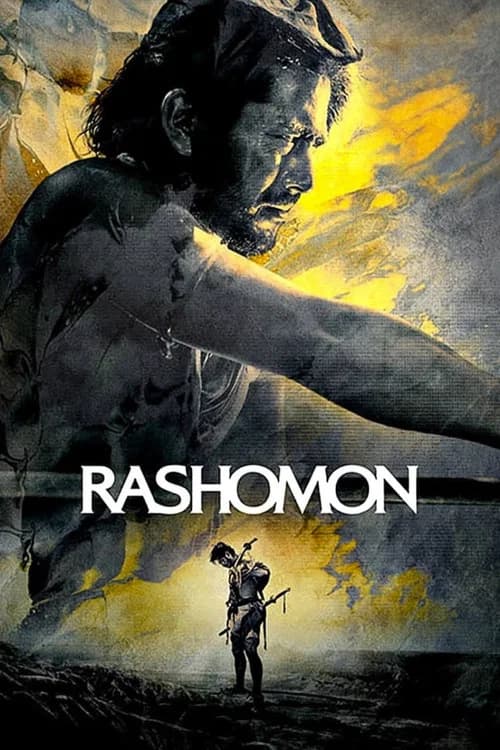
Rashomon (1950) gives you 4 accounts of the same ambush. Each witness bends events to protect their honor or their self-image. The bandit's version is the most dramatic and the most flattering to him, and the film treats it as no more believable than the others. Between accounts, 3 men sheltering at a ruined gate argue about what it all says about people. There's no referee there either.
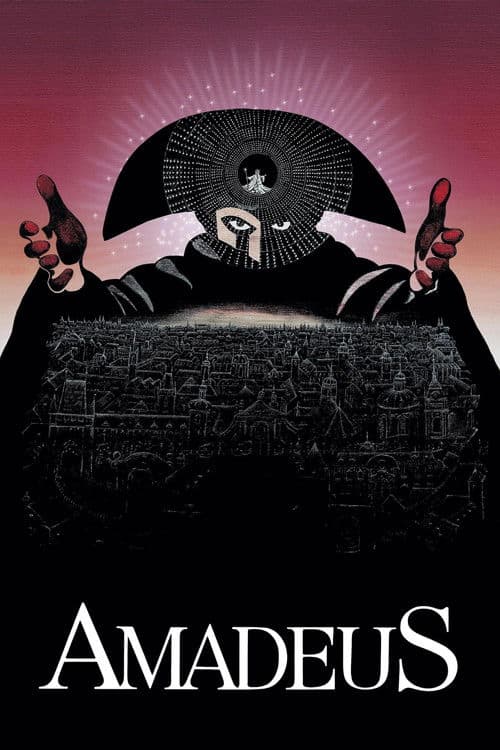
Amadeus (1984) frames its story as Salieri's confession from an asylum, told decades later by a man eaten up by envy. His Mozart is loud and vulgar and always laughing. Some of that may be accurate. A lot of it is clearly exaggerated, and you have to look past Salieri's bitterness to catch the genius he couldn't stand.
When the narrator's mind is failing
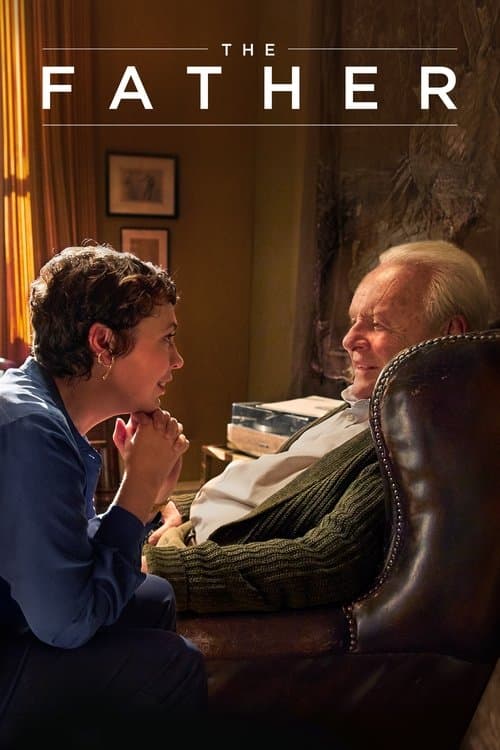
The Father (2020) puts you inside dementia. Everything comes through Anthony's perception, so faces change between shots and conversations replay with different people in them. In one repeated scene, Anne walks in with a different face. You're as unsure as he is about which version is real. I feel like this is the most honest use of the device on this list, since nobody in the film is trying to fool you.
How to use this when you watch
On a first watch, notice whose eyes the film is using and whether it ever gives you a second angle. If it only shows what one person saw, keep a little doubt in reserve. After the reveal, go back to one early scene and see how differently it reads the second time.
More guides
- Film Noir Lighting Explained: 8 Films That Nail It
- How Directors Build Suspense: 8 Films That Show You How
- Non-Linear Movies Explained: 8 Films Told Out of Order
- Long Takes and Oners Explained: 9 Famous One-Shot Scenes
- How Color Tells the Story: 9 Films With Meaningful Palettes
- Best Films to Study Cinematography: 10 Films and What to Watch