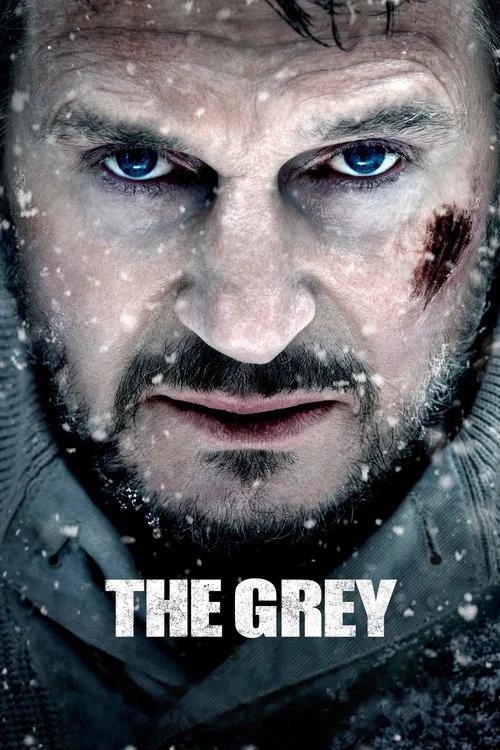
After a plane crash in the Alaskan wilderness, a handful of oil workers face freezing weather and a wolf pack that picks them off one by one. Liam Neeson plays a marksman who has already given up on life. Watch how the cold and the wolves squeeze the group, and how the film stops before the final fight.
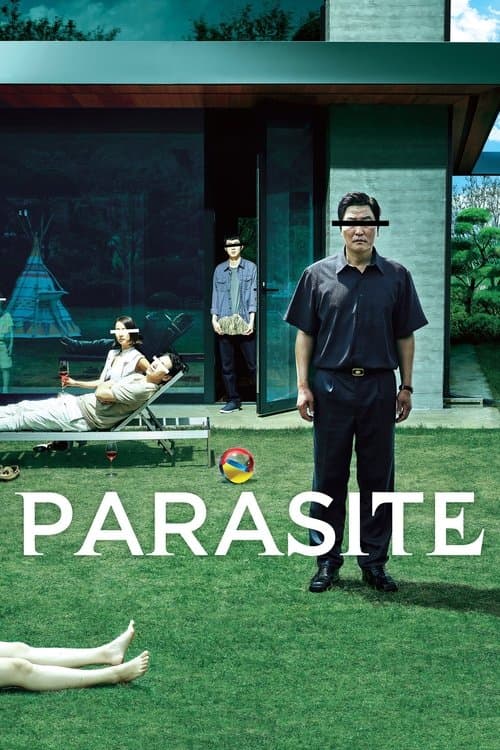
The Grey is a 2011 adventure, thriller and drama film directed by Joe Carnahan. This breakdown covers 5 techniques (2 narrative, 1 sound, 1 cinematography and 1 editing), each with the scene where you can see it. If you like how it is made, Parasite uses several of the same techniques.
Making the sea, weather or terrain the main enemy, so no villain is needed. The drama comes from exhaustion, cold and small survival decisions.
How this film uses it
The wolves are the obvious threat, but the cold, a blizzard, a canyon and a river kill just as many men. Nobody in the group can negotiate with any of it. You feel each death as a small survival decision that went wrong.
Where to see it
The river: Henrick falls into a river and gets trapped underwater. He drowns while Ottway watches and cannot reach him.
Using sounds the characters themselves can hear, like footsteps, radios or traffic, to build tension or show how someone feels. The sound does more than make the scene realistic.
How this film uses it
Out in the dark, what you hear is the wind, the crackle of the fires and the wolves moving just past the light. The men hear the same things, so their fear and yours stay in step. The sound tells you the wolves are close before you see one.
Where to see it
Night of the campfires: The men light fires to keep the wolves away. A lone wolf charges Diaz and the group kills it.
Framing people as tiny specks in an enormous wide shot. The size gap shows how little one person's will counts against the forces of nature, geography or history.
How this film uses it
Wide shots drop the survivors into huge fields of snow and forest, where they look like small dark marks. The size gap says that nothing they decide will matter much to this place.
Where to see it
The journey south: The survivors trudge through snow toward the trees. Flannery falls behind and is killed by wolves.
Having a character read or recite real verse so the poem says what the characters cannot. The words become the emotional center of the film.
How this film uses it
Ottway recites a poem his father wrote about struggle and survival, and later it comes back to him when he is at his lowest. The words work as his reason to keep fighting. By the end they mean far more than they did at the campfire.
Where to see it
Campfire conversation: Diaz and Talget talk about faith, and Ottway recites his father's poem. He recalls it again at the den.
Ending a scene or a whole film on the instant before the decisive moment, then cutting away. You never see the outcome, so you have to decide for yourself what happened.
How this film uses it
Ottway tapes broken glass to his hand, and the alpha wolf walks toward him. The film cuts to black as they charge each other. You are left with the fight in your head, which is a different feeling from watching who wins.
Where to see it
The den: Ottway arms himself with a knife and glass shards and faces the alpha wolf. The scene cuts to black as the two charge each other.
Questions
The Grey: quick answers
What filmmaking techniques does The Grey use?
CineCode breaks down 5 techniques in The Grey (2011): Nature as Antagonist, Diegetic Sound Design, Human Figure in Vast Landscape, Recited Poetry as Theme and Cut Before Impact.
Who directed The Grey?
Joe Carnahan directed The Grey, released in 2011. CineCode also covers Not Without Hope (2025).
What films are similar to The Grey?
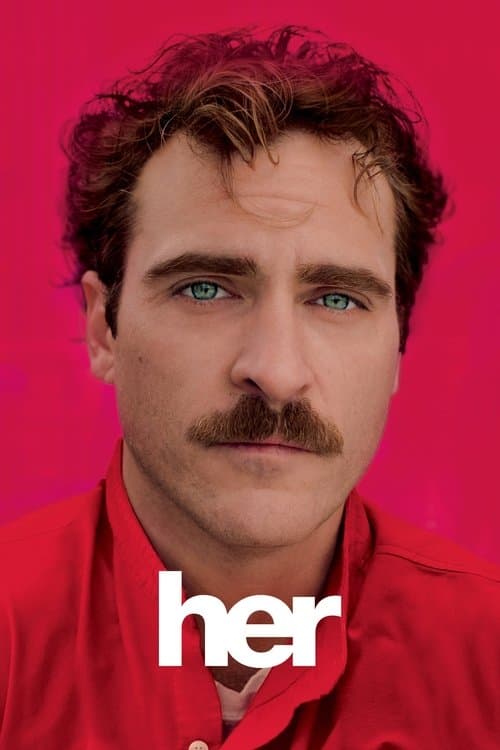
Films that share techniques with The Grey include Parasite (2019), The Shining (1980), Her (2013), Lawrence of Arabia (1962).