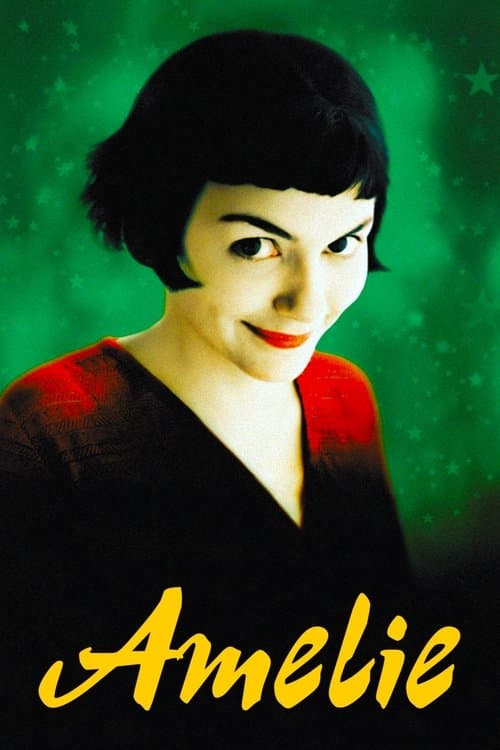
Amélie
Jean-Pierre Jeunet · 2001
A shy Parisian waitress with an overactive imagination decides to secretly improve the lives of those around her while avoiding the chance at love waiting right in front of her. A film about the relationship between fantasy and genuine connection.
Techniques Used
4 techniques identified in this film
Color Palette as Worldbuilding
CinematographyUsing a distinctive, consistent color palette to construct a film's world as a subjective emotional space rather than a documentary record.
How this film uses it
Bruno Delbonnel's cinematography renders Paris in heightened greens and warm reds — the colors of Amélie's inner world rather than the city's literal appearance. The palette makes the film's universe immediately identifiable as a place that exists inside its protagonist's perception, where everything has been slightly improved by her imagination.
Innocent Eye Narration
NarrativeA deadpan omniscient narrator who describes characters through precise catalogues of their habits, preferences, and private behaviors — the precision creating intimacy through accumulated specific detail.
How this film uses it
The narrator introduces every character through their personal pleasures and aversions: Amélie likes dipping her hand in grain, cracking crème brûlée, skipping stones. The technique creates the film's particular emotional register — the universe taking careful inventory of each person as if they all matter equally and specifically.
Diegetic Sound Design
SoundIn-world sounds given unusual prominence, duration, or emotional weight — ambient sounds foregrounded as part of the film's emotional texture.
How this film uses it
The film is built from heightened diegetic sounds: the crack of crème brûlée, the plunge of a hand into grain, the click of dominoes. Jeunet and sound designer Guillaume Leriche amplify these sounds to sensory events — the film's sonic grammar makes the ordinary world feel rich with tactile pleasure, reflecting Amélie's relationship to sensation.
Direct Address
NarrativeA character speaking directly to the camera — acknowledging the audience — breaking the fictional frame to create a different kind of intimacy with the viewer.
How this film uses it
Amélie occasionally looks directly at the camera during her schemes, sharing her delight with the audience as a co-conspirator. The direct address makes the audience participants in her interventions rather than spectators — we are in on the game, which is precisely the warmth the film is designed to create.
You Might Also Like
Films that share at least one technique with Amélie
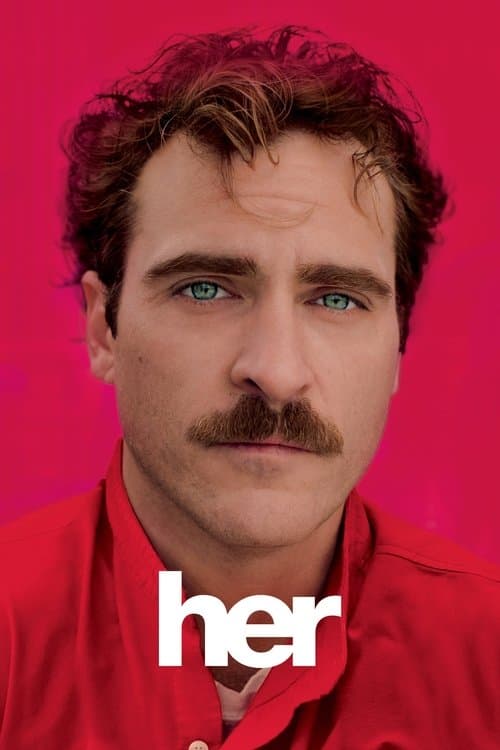
A lonely writer in near-future Los Angeles falls in love with an AI operating system. A tender, melancholy film about connection, loneliness, and what it means to love something that exists differently than you do.
Her
Spike Jonze · 2013
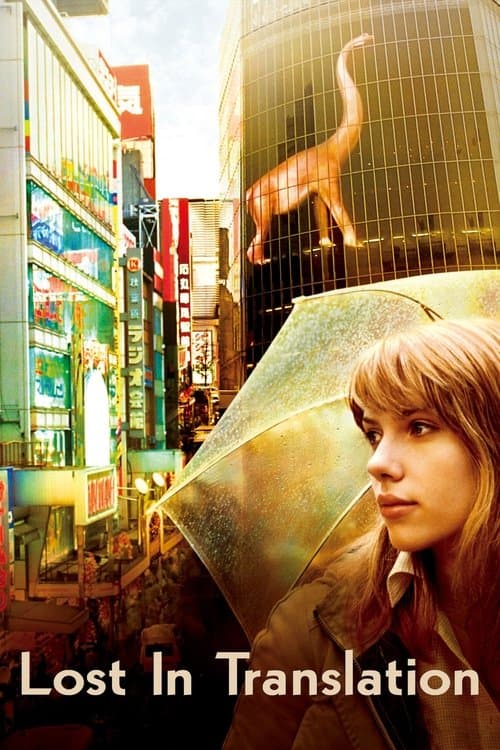
A fading American movie star and a young newlywed woman meet in a Tokyo hotel and form an unexpected connection that neither can fully name or act on. Sofia Coppola's film is about the specific texture of intimacy between strangers — the kind that only exists because it cannot last.
Lost in Translation
Sofia Coppola · 2003
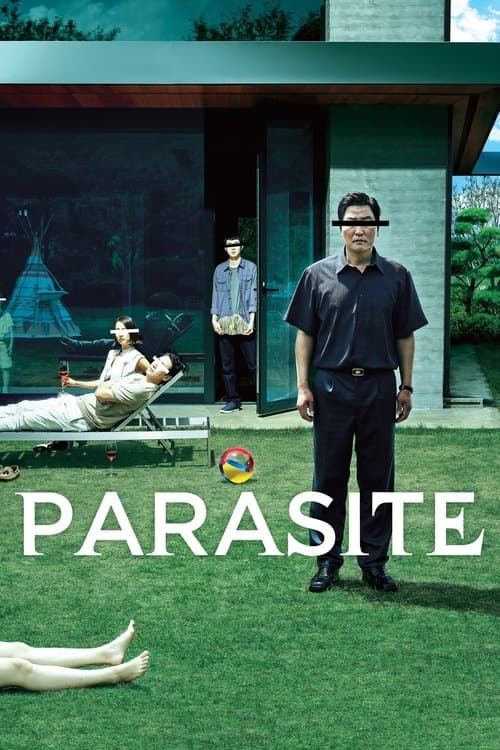
A poverty-stricken family schemes their way into the lives of a wealthy household, until a shocking discovery upends everything. A darkly comic thriller that dissects class inequality through meticulous mise-en-scène.
Parasite
Bong Joon-ho · 2019