Adventure · Science Fiction · Action

The Lost World: Jurassic Park

Steven Spielberg, 1997

Four years after the first park, Ian Malcolm is pulled back to Isla Sorna to find his girlfriend while a corporate hunting team arrives to capture dinosaurs. The island turns into a chase across jungle and cliffs. For filmmakers, watch how Spielberg builds big action out of one simple problem at a time.

The Lost World: Jurassic Park (1997) poster

At a glance

The Lost World: Jurassic Park is a 1997 adventure, science fiction and action film directed by Steven Spielberg. This breakdown covers 4 techniques (1 editing, 2 narrative and 1 cinematography), each with the scene where you can see it. If you like how it is made, Jurassic Park uses several of the same techniques.

Editing

Kinetic Set Piece Architecture

Building an action sequence as a chain where each solution creates a new problem. The layout of the space stays clear, so the escalation follows its own logic.

How this film uses it

Once the adult Tyrannosaurs push the research trailer toward a cliff, every fix creates a worse problem. Someone climbs out, an SUV pulls on a rope, a window starts to crack. The layout stays clear, so you always know what could fail next.

Where to see it

The trailer on the cliff: Two tyrannosaurs shove the trailer over the edge, and the group dangles above a drop while they try to climb back up.

Narrative

The Long Reveal

Holding back a key piece of information for a large part of the film, then revealing it in 1 moment. Everything you already watched now means something different.

How this film uses it

The raptors are barely shown as they hunt a group crossing tall grass. You see the grass bend and part around the people, and then someone vanishes. Your imagination fills in the animals before the film does.

Where to see it

The raptors in the long grass: Hunters and the group cross a field, and raptors attack from below the tall grass, dragging people out of sight.

Cinematography

Photorealistic CGI Pioneering

Making images entirely by computer and tuning the surfaces, lighting and focus to look like live-action photography. At its best, you can't tell what was filmed and what was rendered.

How this film uses it

Herds of dinosaurs run across open ground in daylight, mixed with real actors and jeeps. The animals cast shadows and kick up dust, so the scene reads as filmed. It shows a sequel pushing the digital creatures from single animals to crowds.

Where to see it

The camp stampede: Nick and Sarah release the captured dinosaurs, and the animals charge through the hunters' camp.

Narrative

Threat in Everyday Settings

Placing a menace in crowded or ordinary places such as streets, parks and suburbs, so ordinary spaces turn unsafe and bystanders offer no protection.

How this film uses it

In the last act a Tyrannosaurus escapes onto the streets of San Diego. Cars, shops and neighborhoods suddenly look fragile next to it. You get a disaster movie out of a place you could have been standing yesterday.

Where to see it

The San Diego rampage: After a ship crashes into the dock, the rex gets loose and tramples through the city streets.

Questions

The Lost World: Jurassic Park: quick answers

What filmmaking techniques does The Lost World: Jurassic Park use?
CineCode breaks down 4 techniques in The Lost World: Jurassic Park (1997): Kinetic Set Piece Architecture, The Long Reveal, Photorealistic CGI Pioneering and Threat in Everyday Settings.
Who directed The Lost World: Jurassic Park?
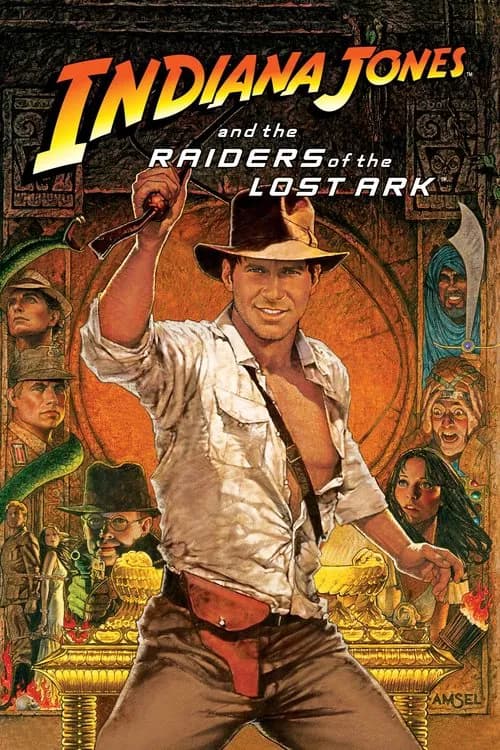
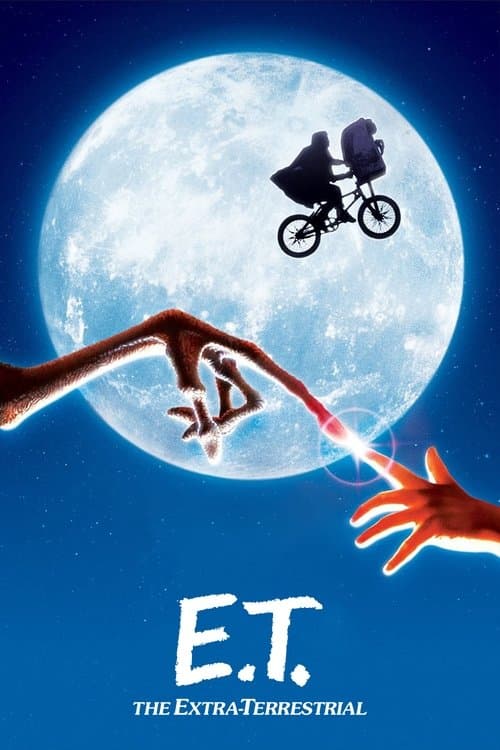
Steven Spielberg directed The Lost World: Jurassic Park, released in 1997. CineCode also covers Duel (1971), Jaws (1975), Close Encounters of the Third Kind (1977), 1941 (1979), Raiders of the Lost Ark (1981), E.T. the Extra-Terrestrial (1982).
What films are similar to The Lost World: Jurassic Park?
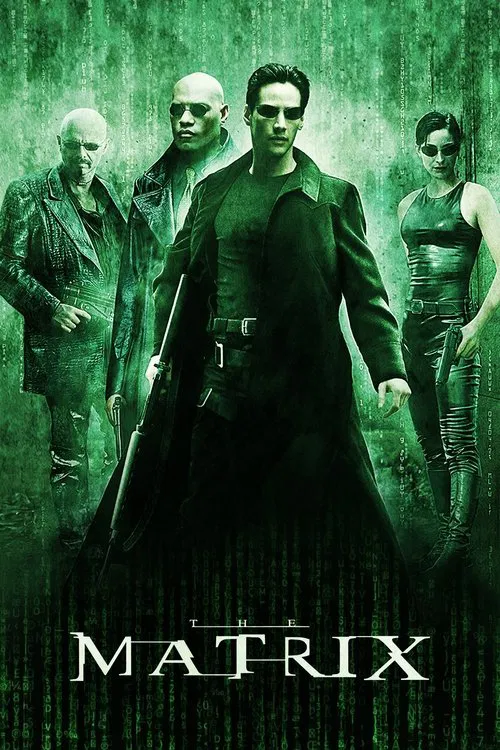
Films that share techniques with The Lost World: Jurassic Park include Jurassic Park (1993), The Shawshank Redemption (1994), The Matrix (1999), Raiders of the Lost Ark (1981).