Thriller · Action

Duel

Steven Spielberg, 1971

A salesman driving through the Mojave Desert is chased by a battered tanker truck whose driver we never see. It was made for TV and then expanded for theaters, and it was Spielberg's first feature as director. Watch how much fear he builds from road, horn and engine noise.

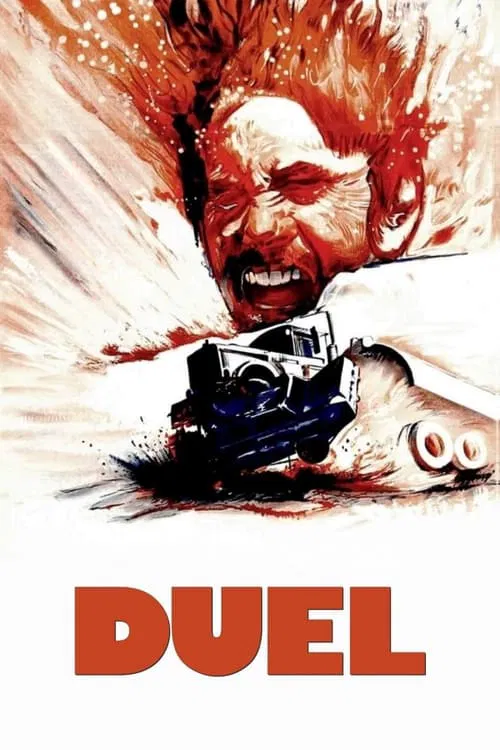
Duel (1971) poster

At a glance

Duel is a 1971 thriller and action film directed by Steven Spielberg. This breakdown covers 4 techniques (1 narrative, 2 sound and 1 psychology), each with the scene where you can see it. If you like how it is made, Parasite uses several of the same techniques.

Narrative

Object as Antagonist

Making a machine or object the main threat, with no face and no explained motive. You can't bargain with it or understand it, so the danger feels relentless.

How this film uses it

The driver appears only in brief shots of his arms and boots. Spielberg has said the truck itself becomes the enemy. You never learn why, so the threat is a machine you can't reason with.

Where to see it

The gas station. The truck parks beside Mann's car, and he realizes it has been following him.
Sound

Off-Screen Presence

Keeping a threat or character mostly out of view and suggesting it through sound, movement at the edge of the frame and other people's reactions. Your imagination makes it scarier than anything shown.

How this film uses it

You hardly ever see the man behind the wheel. You hear the horn and the engine, and you watch Mann's face when the truck appears in his mirror. Your imagination does the rest of the work.

Where to see it

The railroad crossing. Mann waits for a train, the truck shoves his car onto the tracks, and the train clears the crossing just in time.

Sound

Diegetic Sound Design

Using sounds the characters themselves can hear, like footsteps, radios or traffic, to build tension or show how someone feels. The sound does more than make the scene realistic.

How this film uses it

Dialogue is sparse, so the vehicles' noises carry the film. Engines, horns and tires build the tension. Spielberg uses silence and sound to tease you.

Where to see it

The school bus scene. Mann stops to help a stranded bus, their bumpers lock together, and the roar of engines fills the road.

Psychology

Wrongful Accusation Pressure

Putting an innocent person under blame or suspicion and showing the damage it does to them and those near them. The accusation distorts the community's judgment.

How this film uses it

Under pressure, Mann convinces himself he has found the driver in a diner. He confronts the wrong man and gets beaten. It shows how fear can twist a good man's judgment.

Where to see it

The diner scene. Mann confronts a patron he thinks is the truck driver, and gets into a fight he loses.

Questions

Duel: quick answers

What filmmaking techniques does Duel use?
CineCode breaks down 4 techniques in Duel (1971): Object as Antagonist, Off-Screen Presence, Diegetic Sound Design and Wrongful Accusation Pressure.
Who directed Duel?
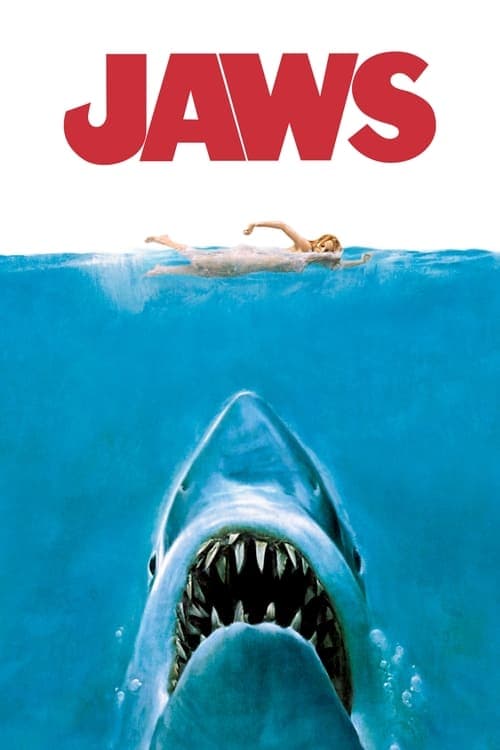
Steven Spielberg directed Duel, released in 1971. CineCode also covers Jaws (1975), Close Encounters of the Third Kind (1977), 1941 (1979), Raiders of the Lost Ark (1981), E.T. the Extra-Terrestrial (1982), Indiana Jones and the Temple of Doom (1984).
What films are similar to Duel?
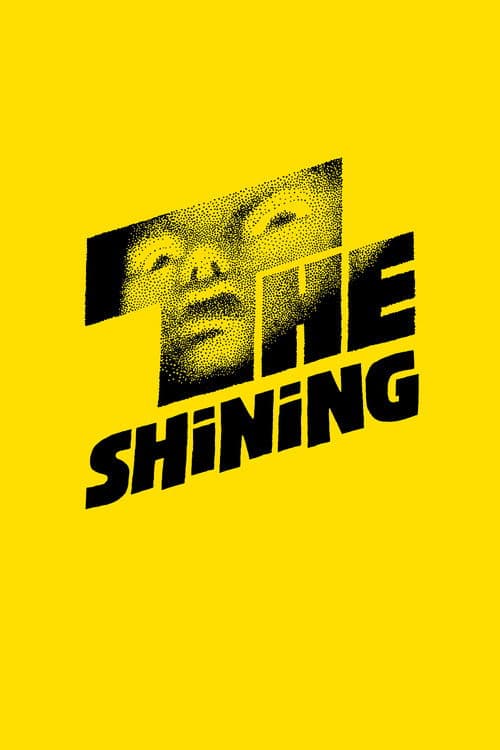
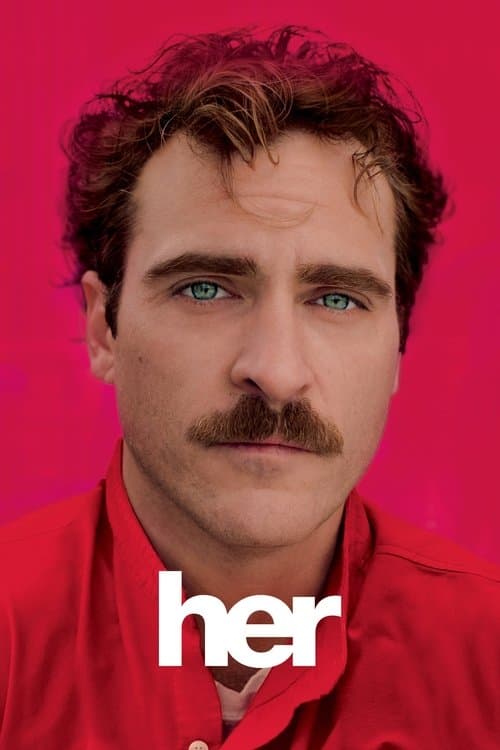
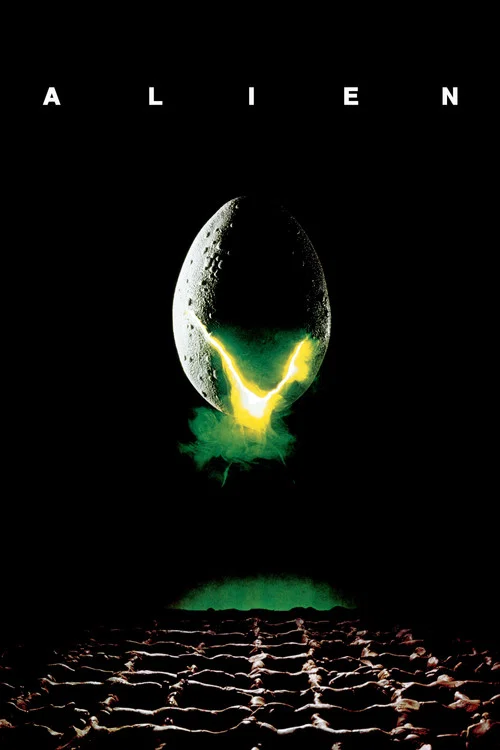
Films that share techniques with Duel include Parasite (2019), The Shining (1980), Her (2013), Alien (1979).