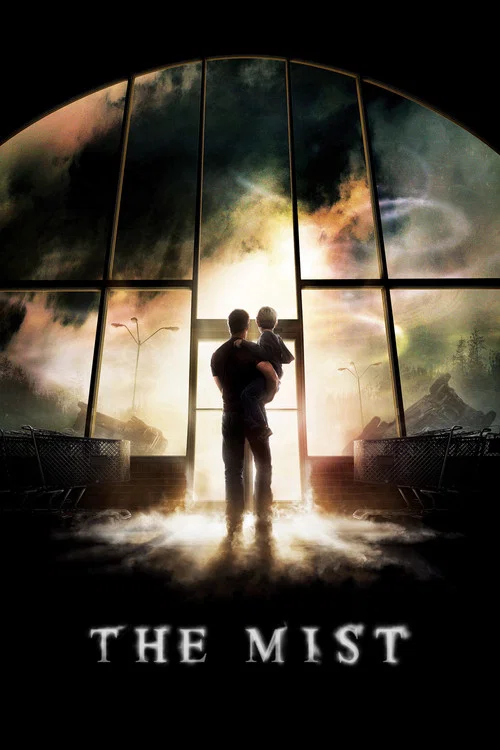
After a storm, a thick mist rolls into a Maine town and traps David and his young son in a supermarket with other locals. Something dangerous is in the fog, and the people inside may be worse. Darabont shot it in a rough, documentary style and gave it a famously bleak ending.
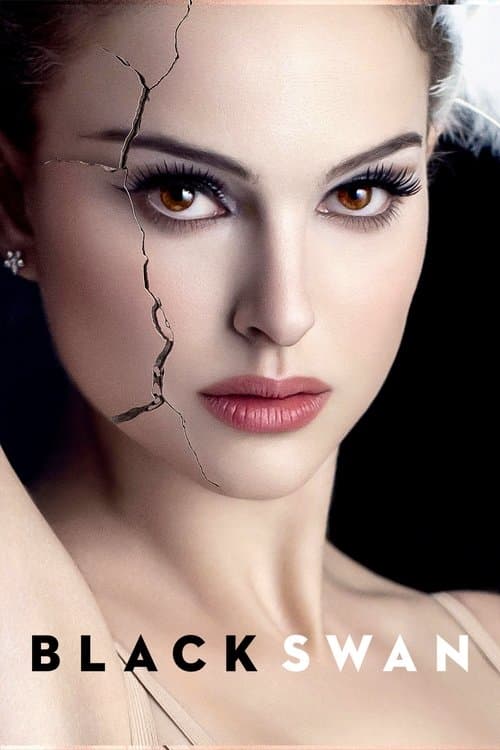
The Mist is a 2007 horror, science fiction and thriller film directed by Frank Darabont. This breakdown covers 4 techniques (1 cinematography, 1 psychology and 2 narrative), each with the scene where you can see it. If you like how it is made, Black Swan uses several of the same techniques.
Shooting with a handheld camera so the frame shakes and moves with the action. This documentary-style look, called cinema vérité, puts you uncomfortably close to the character.
How this film uses it
Darabont wanted a ragged, documentary look and shot on 400 ASA Fujifilm for a grainy texture. The camera moves with the characters instead of posing them. It makes the attacks feel like real footage.
Where to see it
The first attack. Norm goes outside to fix the generator and is dragged off by a tentacled creature.
Placing people in a pressured situation where politeness and rules fall apart. The film watches panic or fear turn ordinary people into something cruder, sometimes for laughs.
How this film uses it
The supermarket is a pressure cooker. Shoppers who were polite at the start fall into fear, then into factions. By the end, the people inside the store are as dangerous as the creatures outside.
Where to see it
The night in the store. Insects and winged creatures attack, and the survivors split into groups.
Writing a villain whose danger comes from a belief system that makes sense on its own terms. The story has to take on their ideas, and beating them physically isn't enough.
How this film uses it
Mrs. Carmody tells the frightened crowd the mist is God's punishment and that someone must be sacrificed. Her belief makes sense to the scared people around her, which is why it spreads. The danger is the idea.
Where to see it
Carmody's sermon. She preaches that the mist is divine punishment and gains followers as the creatures return.
Building a plot so that a character's scheme or solution backfires through their own flaw, delivering a fitting and often darkly comic reversal.
How this film uses it
David believes there is no hope left and ends his group's lives to spare them from the creatures. Moments later, the Army arrives to clear the mist. His desperate solution backfires in the cruelest way.
Where to see it
The final scene. David runs out of gas, mercy-kills the group, and then the Army arrives.
Questions
The Mist: quick answers
What filmmaking techniques does The Mist use?
CineCode breaks down 4 techniques in The Mist (2007): Handheld Cinema Vérité, Social Order Breakdown, Ideological Villain and Ironic Downfall.
Who directed The Mist?
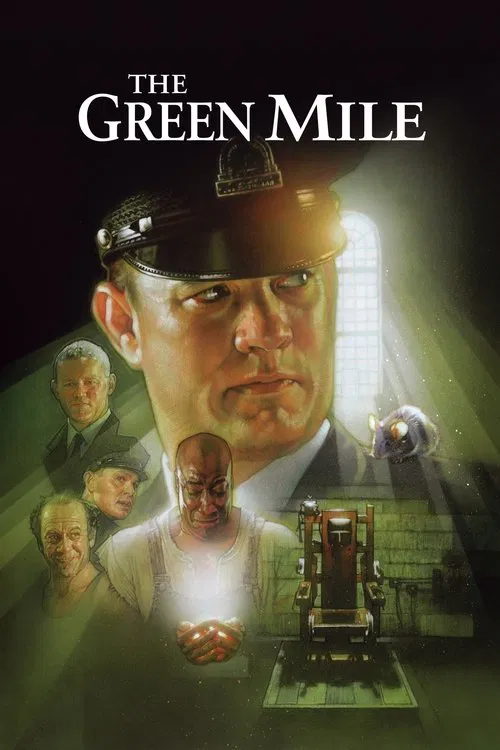
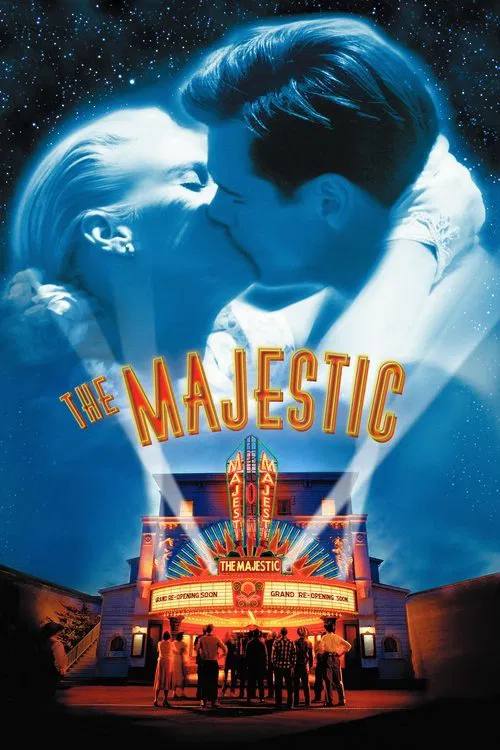
Frank Darabont directed The Mist, released in 2007. CineCode also covers The Shawshank Redemption (1994), The Green Mile (1999), The Majestic (2001).
What films are similar to The Mist?
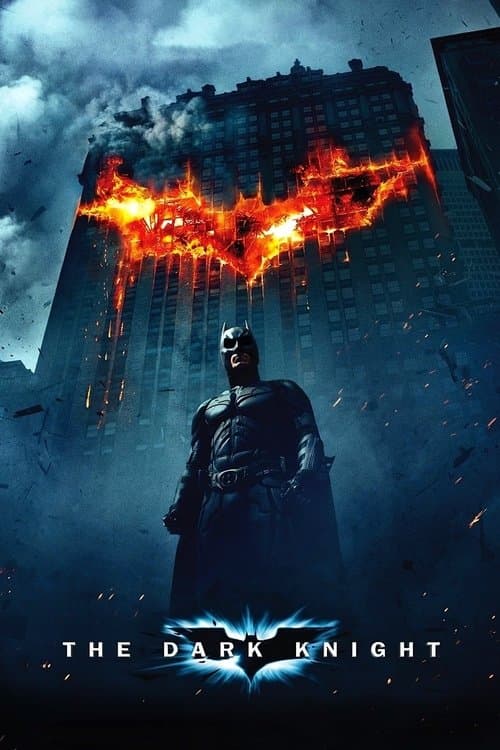
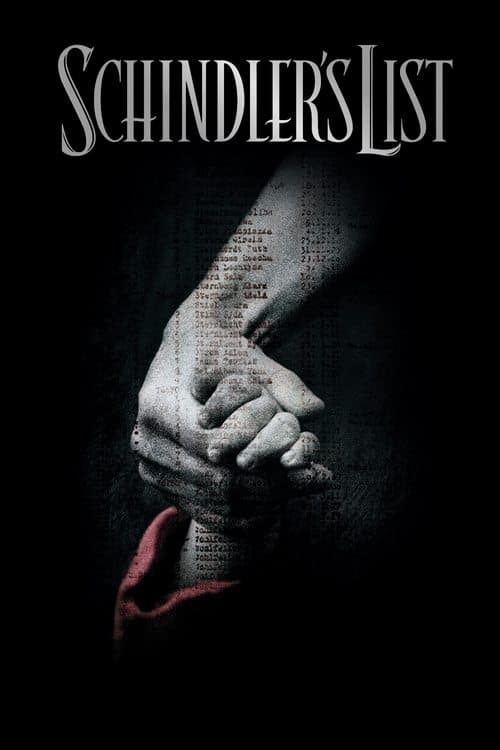
Films that share techniques with The Mist include Black Swan (2010), The Dark Knight (2008), Schindler's List (1993), Das Boot (1981).