Narrative technique · used in 9 films

Ideological Villain

Writing a villain whose danger comes from a belief system that makes sense on its own terms. The story has to take on their ideas, and beating them physically isn't enough.

Examples

9 films that use it

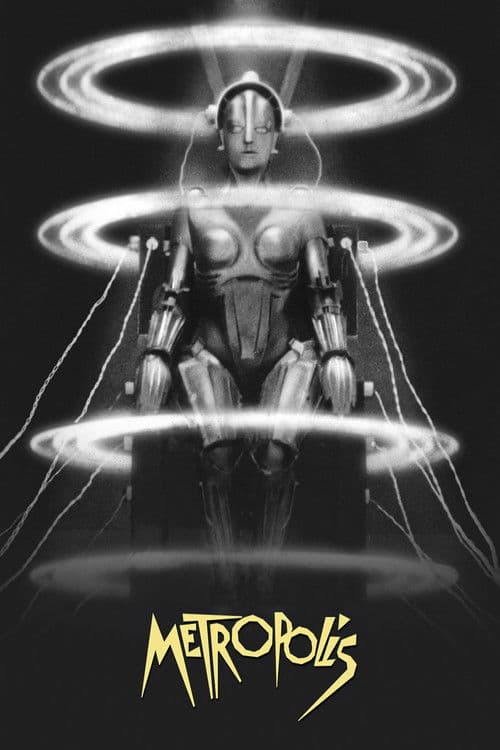
  1. Metropolis (1927) poster

    Metropolis

    Fritz Lang · 1927

    Joh Fredersen rules Metropolis by suppressing information, watching everyone and engineering the workers to stay passive. He works like a manager. He shows no sadism or cruelty toward the workers. He simply doesn't see them as people whose experience matters. That is, his ideology is efficiency without ethics.

    Where to see it: Fredersen's response to the discovery of the worker meetings. He makes a cold strategic calculation and decides to infiltrate the meetings. He never deals with what the workers are saying. You see his ideology in a management decision.
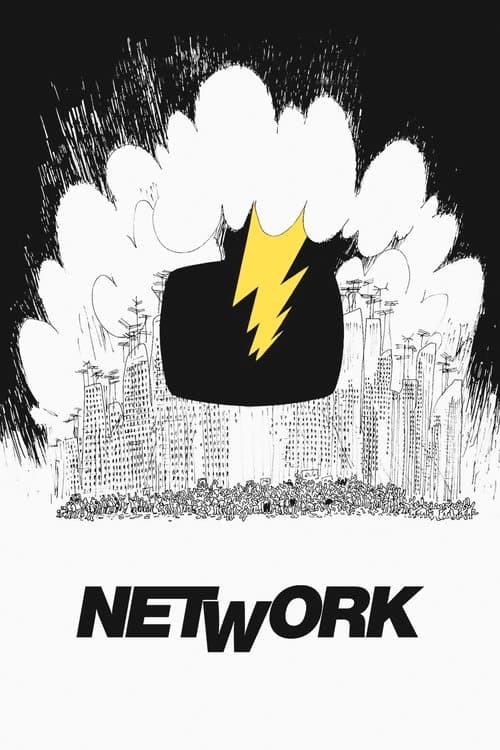
  2. Network (1976) poster

    Network

    Sidney Lumet · 1976

    Diana Christensen has no hatred for Howard Beale or Max Schumacher. She simply can't see any value in them beyond what they add to the ratings. Her danger is the danger of a system that has become its own justification, where television's logic is applied to everything with nothing left over. I feel like she is the most frightening character in the film because she is entirely consistent.

    Where to see it: Diana's description of her relationship with Max. She can't feel the relationship except as a plot with dramatic beats. It plays like the confession of a person who has been replaced by a storyline.

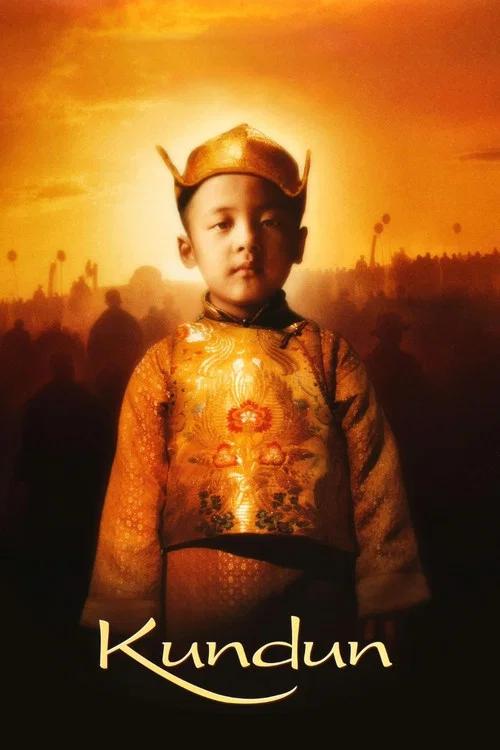
  3. Kundun (1997) poster

    Kundun

    Martin Scorsese · 1997

    Mao is polite in public and says in private that religion is poison. The danger is that he believes it. Tibet's faith meets an equally firm belief, and the Dalai Lama cannot answer it with force.

    Where to see it: The meeting in Beijing: Mao Zedong publicly sympathizes with the Dalai Lama and privately calls religion poison.

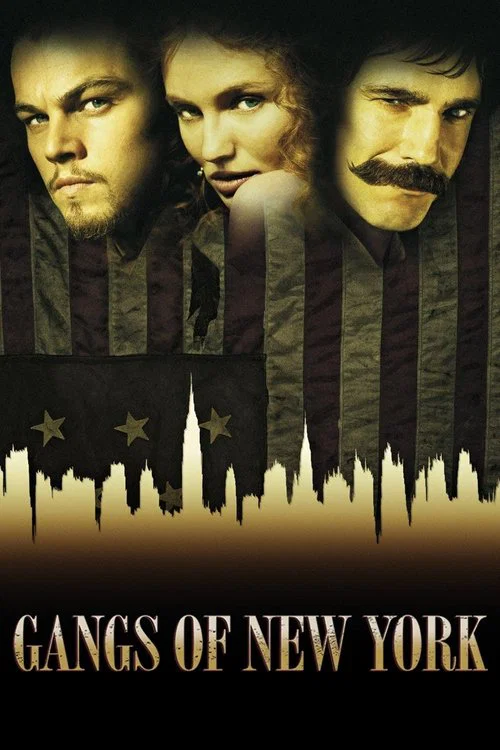
  4. Gangs of New York (2002) poster

    Gangs of New York

    Martin Scorsese · 2002

    Bill the Butcher leads the nativists, who believe the city belongs to people born in America. He is frightening because he has a worldview he can explain, and the film lets him do it. You end up fighting his ideas as much as his knife.

    Where to see it: The opening gang fight in 1846. Bill kills the Irish leader Priest Vallon while the young Amsterdam watches, and you see what Bill thinks the fight is for.

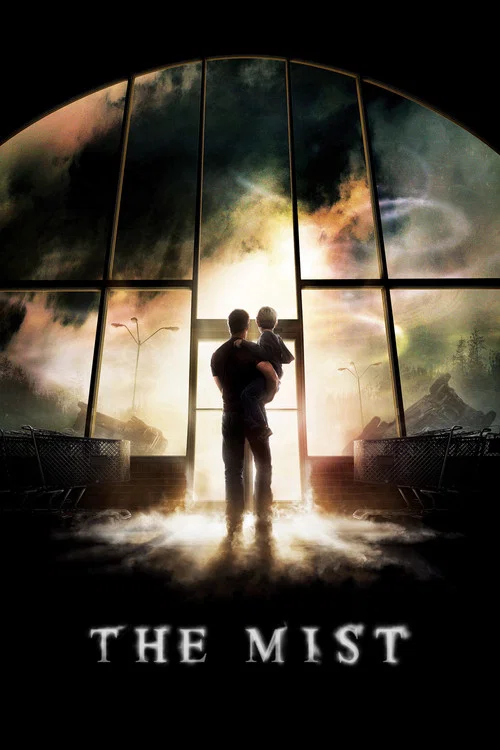
  5. The Mist (2007) poster

    The Mist

    Frank Darabont · 2007

    Mrs. Carmody tells the frightened crowd the mist is God's punishment and that someone must be sacrificed. Her belief makes sense to the scared people around her, which is why it spreads. The danger is the idea.

    Where to see it: Carmody's sermon. She preaches that the mist is divine punishment and gains followers as the creatures return.

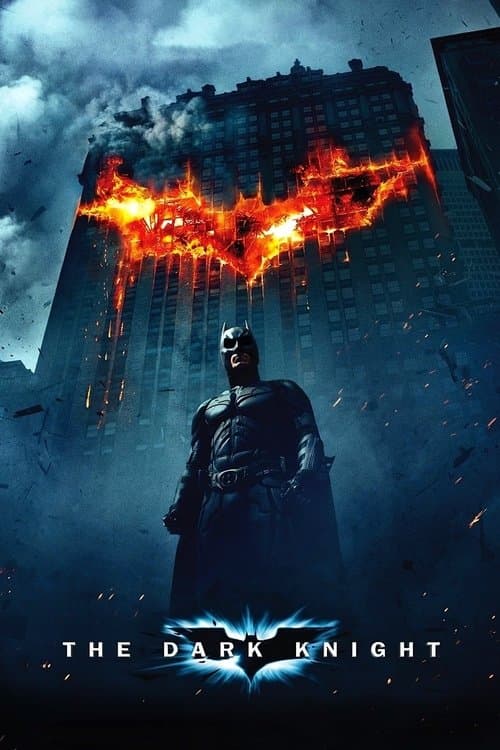
  6. The Dark Knight (2008) poster

    The Dark Knight

    Christopher Nolan · 2008

    The Joker has no origin story, no demands and no plan that can be uncovered and stopped. His only goal is to prove that society's moral order is a thin fiction. The film takes his argument seriously enough that you can't just dismiss it. You can only sit through it.

    Where to see it: The Joker's hospital monologue to Harvey Dent. The villain is the one who states the film's main idea.

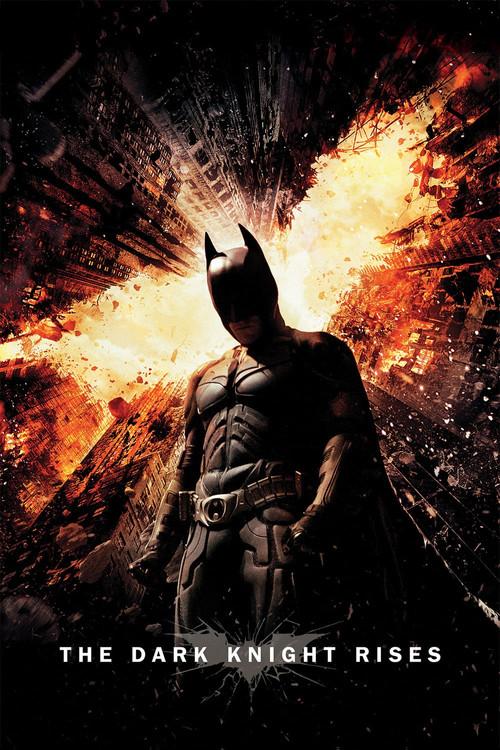
  7. The Dark Knight Rises (2012) poster

    The Dark Knight Rises

    Christopher Nolan · 2012

    Bane sells his takeover as a revolution. He tells Gotham he's handing the city back to its people, frees the prisoners and lets show trials sentence the rich. Some of his speeches sound appealing, which makes him scarier than a regular thug.

    Where to see it: The football stadium. Bane blows up the field and most of Gotham's bridges, then tells the stunned crowd that the city now belongs to them.

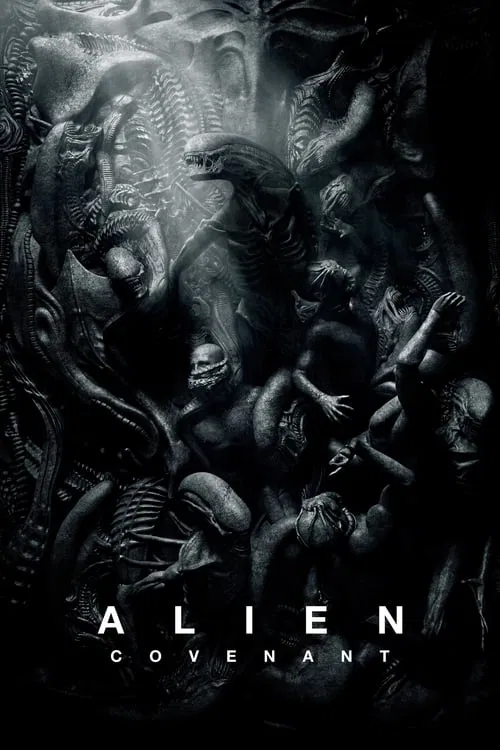
  8. Alien: Covenant (2017) poster

    Alien: Covenant

    Ridley Scott · 2017

    David is dangerous because of what he believes. He speaks with contempt for his creators and plans to replace humanity with his own creations. The film asks you to take his ideas seriously, which makes the horror feel intellectual as well as physical.

    Where to see it: The temple confession: After leading the crew to a temple full of dead humanoids, David admits he released the pathogen that wiped out the planet's life on purpose.

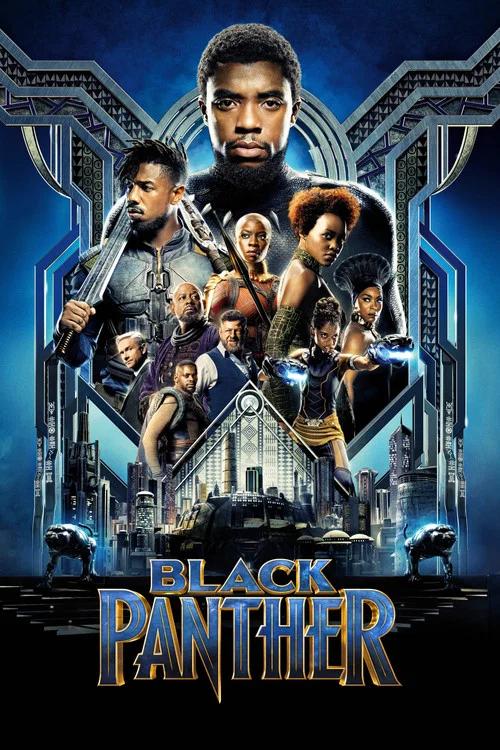
  9. Black Panther (2018) poster

    Black Panther

    Ryan Coogler · 2018

    Killmonger believes Wakanda should stop hiding while Black people suffer elsewhere. His anger comes from losing his father and being left behind in Oakland. You may reject his plan, and the film makes sure you understand where it comes from.

    Where to see it: The fight in the vibranium mine. T'Challa disables Killmonger's suit and stabs him, and Killmonger refuses to be locked up, so T'Challa shows him the Wakandan sunset.

Questions

Quick answers

What is ideological villain in film?
Writing a villain whose danger comes from a belief system that makes sense on its own terms. The story has to take on their ideas, and beating them physically isn't enough.
Which films use ideological villain?
Metropolis (1927), Network (1976), Kundun (1997), Gangs of New York (2002), The Mist (2007), The Dark Knight (2008) and 3 more films in the CineCode library.
What kind of technique is ideological villain?
It is a narrative technique. Related narrative techniques include Escalating Moral Stakes, Direct Address, Environmental Satire.