Comedy · Crime · Mystery

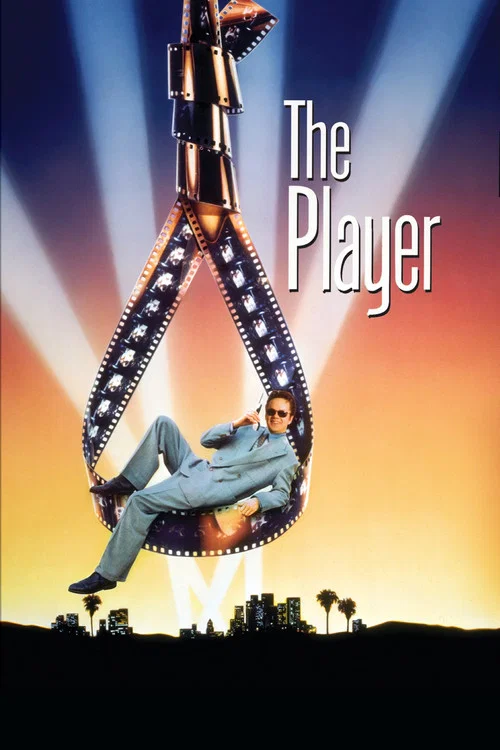
The Player

Robert Altman, 1992

Griffin Mill is a Hollywood studio executive who hears pitches for thousands of scripts and green-lights only a dozen a year. When a writer starts mailing him death threats, he kills the wrong man and tries to get away with it. Worth watching for how Altman makes Hollywood both the target and the setting.

The Player (1992) poster

At a glance

The Player is a 1992 comedy, crime and mystery film directed by Robert Altman. This breakdown covers 5 techniques (2 narrative, 2 cinematography and 1 psychology), each with the scene where you can see it. If you like how it is made, Sunset Boulevard uses several of the same techniques.

Narrative

Hollywood Self-Indictment

Making a film that criticizes the film industry from the inside. It shows the cruelty under the glamour of stardom and how easily talent gets thrown away.

How this film uses it

The film shows executives who decide the fate of a script in minutes and treat writers as problems to manage. A parade of famous faces appear in small roles, so the industry laughs at itself on screen. The people running the machine come off as shallow, scared and hungry for the next deal.

Where to see it

The pitch meetings: writers come to Griffin with ideas, and he decides quickly which ones live. He green-lights only a tiny share of what he hears.

Cinematography

Showy Opening Camera Move

Starting the film with one dramatic camera move that rushes through a space or pulls away to reveal vast scale. The opening sets the energy and size of the story.

How this film uses it

The movie begins with a very long single shot that glides around a studio lot, passing offices and cars. People in the shot talk about famous long takes in film history, so the shot comments on itself. It sets up a world where everyone talks about movies and nobody is straight with anyone.

Where to see it

The opening shot: the camera drifts through the studio lot, peeking in on conversations and pitches. Characters in the scene discuss great long takes from other films.

Cinematography

Film Within a Film

Showing a movie that the characters watch in a theater, as part of the story. The 2 films comment on each other, and the line between them can blur.

How this film uses it

A classic movie plays in a theater at the moment Griffin goes looking for the man he thinks is threatening him. The film on that screen is about a poor man searching for his stolen bicycle, which makes Hollywood's polish look even emptier.

Where to see it

The Rialto Theater: Griffin goes to a screening of The Bicycle Thief in South Pasadena. He pretends to recognize David Kahane in the lobby and offers him a scriptwriting deal.

Psychology

Paranoia Spiral

Building suspicion step by step, as characters feel watched or doubt those around them. The sense of being observed grows until it shapes every choice.

How this film uses it

The postcards, the faxes and a live rattlesnake build a growing sense that someone is watching Griffin. Each threat makes him act more recklessly, and he starts to distrust everyone around him. You share his jumpiness even while you see how arrogant he is.

Where to see it

The rattlesnake: after a fax in his car tells him to look under his raincoat, Griffin finds a live rattlesnake in a box and beats it with his umbrella.

Narrative

Ironic Hollywood Ending

Giving a story the clean, happy ending its genre expects while the film makes clear how hollow that ending is. The convenience itself becomes the joke and the criticism.

How this film uses it

Griffin gets away with murder and ends up running the studio. The film's own last turn is happy and tidy, which is exactly what it has been mocking. You get the satisfaction and the sour taste at once.

Where to see it

The final phone call: the man who sent the postcards pitches Griffin a story about an executive who kills a writer and gets away with it. Griffin agrees to buy it if the ending is happy, and the writer says the title is The Player.

Questions

The Player: quick answers

What filmmaking techniques does The Player use?
CineCode breaks down 5 techniques in The Player (1992): Hollywood Self-Indictment, Showy Opening Camera Move, Film Within a Film, Paranoia Spiral and Ironic Hollywood Ending.
Who directed The Player?
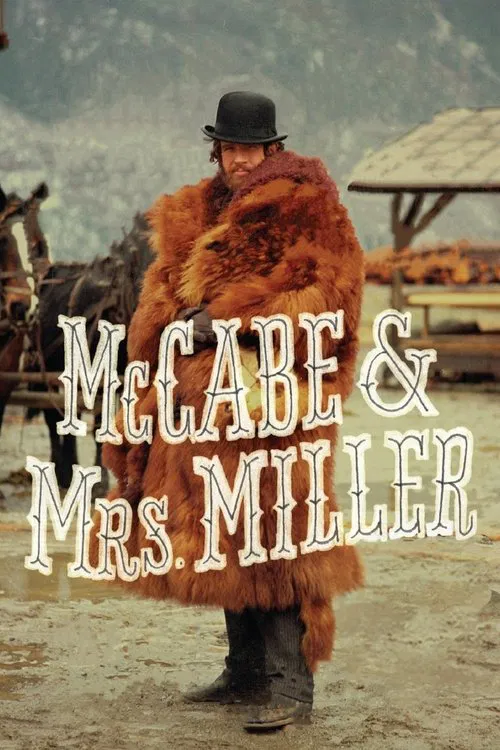
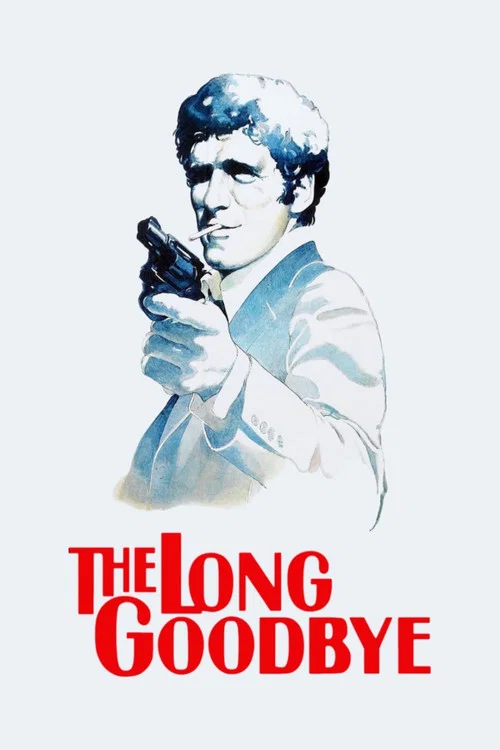
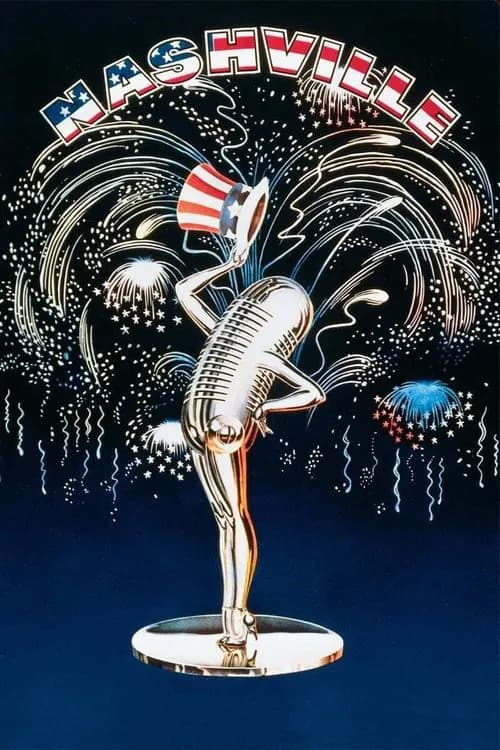
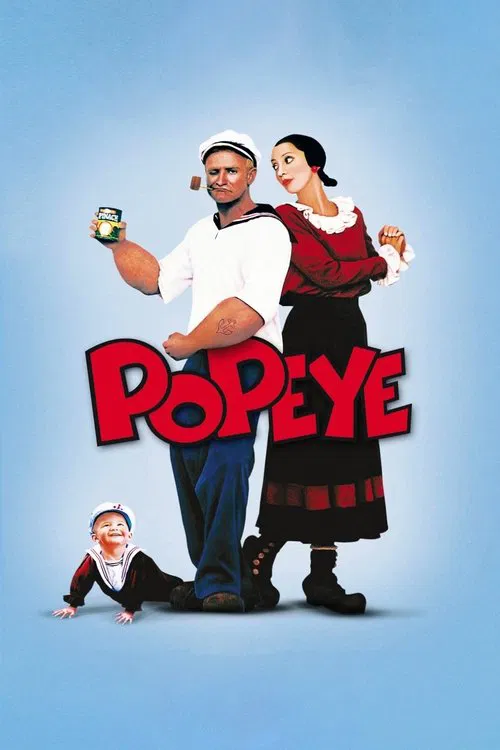
Robert Altman directed The Player, released in 1992. CineCode also covers M*A*S*H (1970), McCabe & Mrs. Miller (1971), The Long Goodbye (1973), Nashville (1975), 3 Women (1977), Popeye (1980).
What films are similar to The Player?
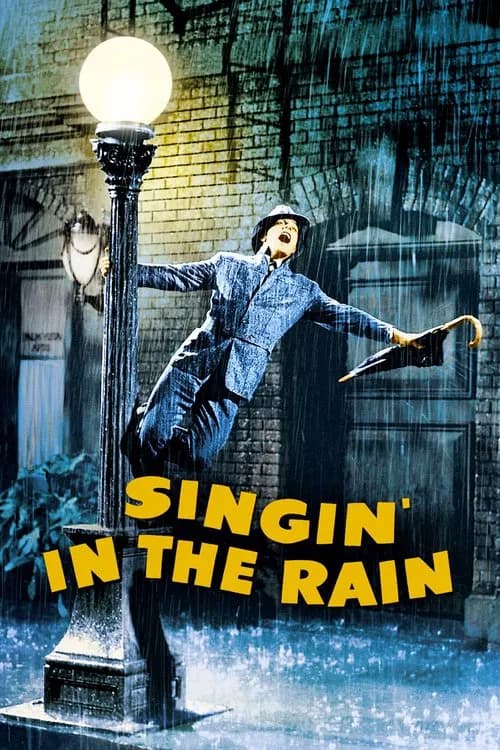
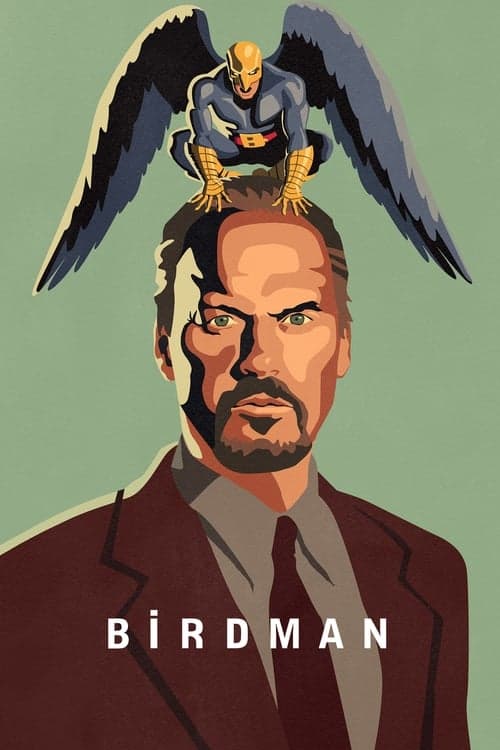
Films that share techniques with The Player include Sunset Boulevard (1950), Once Upon a Time in Hollywood (2019), Singin' in the Rain (1952), Birdman or (The Unexpected Virtue of Ignorance) (2014).