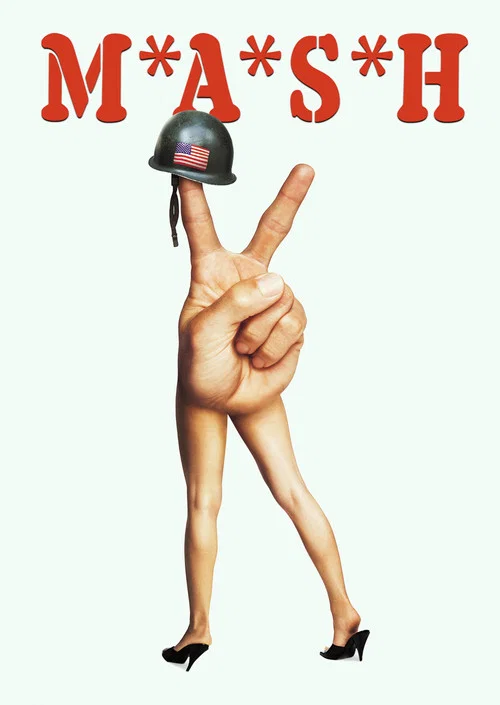
In 1951, 2 smart-mouthed draftee surgeons arrive at a mobile army hospital near the Korean front. They save lives all day and play pranks, drink and flirt to cope. Worth watching for how Altman turns a war film into a loose, overlapping comedy where the jokes and the bloodshed share the same room.
M*A*S*H is a 1970 comedy, war and drama film directed by Robert Altman. This breakdown covers 4 techniques (1 psychology, 2 narrative and 1 sound), each with the scene where you can see it. If you like how it is made, Nashville uses several of the same techniques.
Mixing dry, grim jokes into dark events. The laugh catches in your throat, and the dread feels more ordinary and real.
How this film uses it
The surgeons joke through situations that are anything but funny. The humor is dry and a little cruel, and it shows how people survive a job that never stops. You laugh, and then you notice what the laugh is covering.
Where to see it
The Painless Pole episode: when the camp dentist announces he will kill himself, the surgeons stage a farewell feast posed like the Last Supper. Father Mulcahy gives absolution and communion, and Painless gets a pill that is really a sleeping tablet.
Introducing a large cast only through what they say and do in the present. There are no flashbacks or explained histories, yet each character feels distinct.
How this film uses it
You learn who Radar, Frank, Father Mulcahy and Henry Blake are by watching what they do in one camp. Nobody gets a flashback or a speech about their past. Each character feels sharp because of how they act around the others.
Where to see it
The camp introductions: Hawkeye and Duke arrive in a stolen jeep and meet the bumbling commander Henry Blake. The clerk Radar and the pompous surgeon Frank Burns come into the story soon after.
Using sounds the characters themselves can hear, like footsteps, radios or traffic, to build tension or show how someone feels. The sound does more than make the scene realistic.
How this film uses it
The camp's public address system is part of the world and part of the joke. Voices come over loudspeakers into scenes, so the camp itself seems to be listening. It also gives the pranksters a weapon, since a microphone can embarrass someone in front of everyone.
Where to see it
The Hot Lips broadcast: Radar and the surgeons sneak a microphone into Margaret Houlihan's tent. The whole camp hears her encounter with Frank Burns over the public address system.
Building the whole third act around one game, so the score, the fouls and the crowd carry the suspense. Every play counts for something beyond the sport.
How this film uses it
The last act is a football game against another hospital, with a lot of money on the line. The surgeons bring in a ringer, a neurosurgeon who used to play pro football. The game turns into a free-for-all, and a war film ends with a sports comedy.
Where to see it
The football game: the 4077th plays the 325th Evac Hospital. Spearchucker Jones enters in the second half, and the 4077th wins with a final trick play.
Questions
M*A*S*H: quick answers
What filmmaking techniques does M*A*S*H use?
CineCode breaks down 4 techniques in M*A*S*H (1970): Gallows Humor Relief, Ensemble Characterization Without Backstory, Diegetic Sound Design and Sports Match as Climax.
Who directed M*A*S*H?
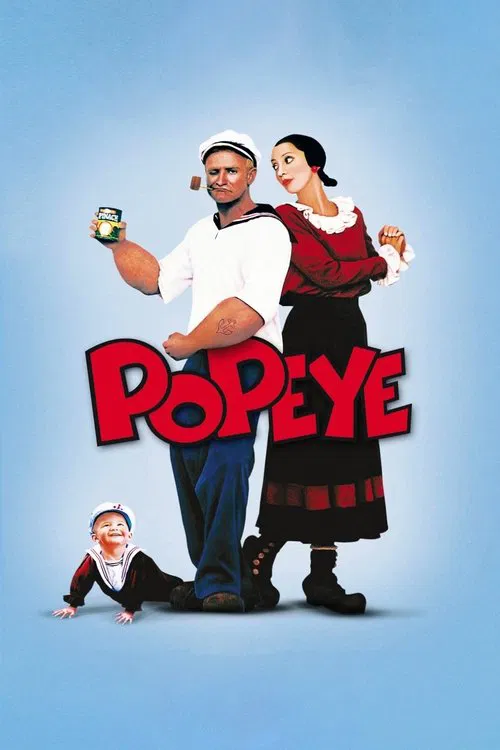
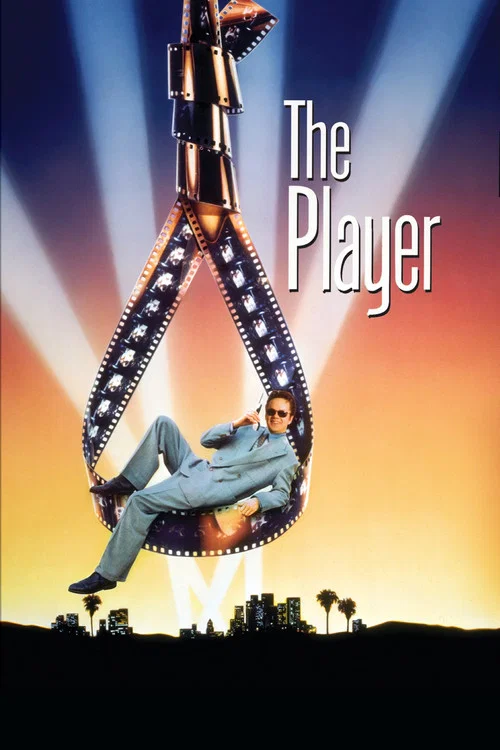
Robert Altman directed M*A*S*H, released in 1970. CineCode also covers McCabe & Mrs. Miller (1971), The Long Goodbye (1973), Nashville (1975), 3 Women (1977), Popeye (1980), The Player (1992).
What films are similar to M*A*S*H?
Films that share techniques with M*A*S*H include Nashville (1975), Parasite (2019), The Shining (1980), Her (2013).