Western · Drama · Romance

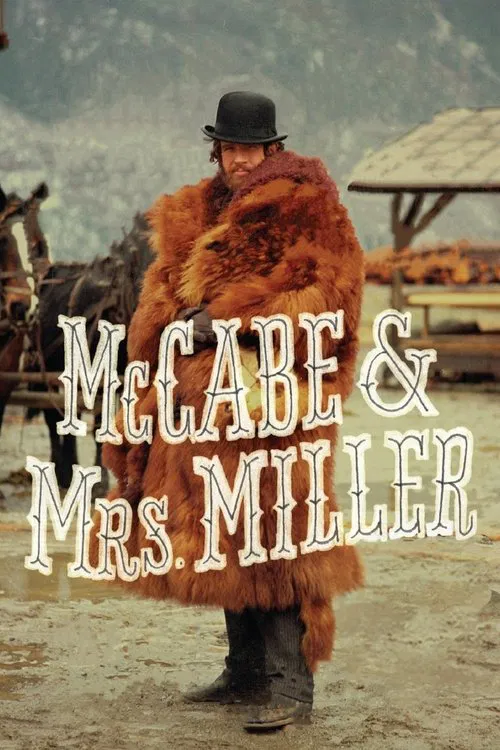
McCabe & Mrs. Miller

Robert Altman, 1971

In 1902, a gambler named McCabe arrives in a muddy mining town and builds a brothel and gambling hall with the help of a sharp-tongued madam, Mrs. Miller. A mining company wants him gone. Worth watching for how Altman shows a Western hero as a bluffer who is out of his depth.

McCabe & Mrs. Miller (1971) poster

At a glance

McCabe & Mrs. Miller is a 1971 western, drama and romance film directed by Robert Altman. This breakdown covers 5 techniques (1 narrative, 1 sound, 2 cinematography and 1 editing), each with the scene where you can see it. If you like how it is made, The Lovely Bones uses several of the same techniques.

Narrative

Revisionist Genre Argument

Using a genre's familiar rules, like its heroes and its violence, to take those rules apart. The film turns your expectations into a political point the genre usually avoids.

How this film uses it

McCabe is not a gunslinger. He is a gambler with a rumored reputation who cannot read the people who want to buy him out. The film uses the Western's usual ingredients, the stranger, the saloon and the gunfight, to show what the myth leaves out.

Where to see it

The mining company's visit: agents arrive to buy McCabe out, and he overplays his hand by demanding too high a price. They leave, and Mrs. Miller warns him that his life is now in danger.
Sound

Borrowed Music

Using existing music from other films or well-known pieces as the soundtrack. The pieces bring their own history and a sense of place or emotion to the scene.

How this film uses it

Instead of an orchestral score, the film uses songs by Leonard Cohen that were recorded before the film was made. The quiet, sad voice gives the town a mood of loneliness without any need for cowboy music.

Where to see it

The opening ride: McCabe arrives at Presbyterian Church on horseback in the rain, with a Leonard Cohen song playing over the images.

Cinematography

Weather as Emotional Mirror

Letting rain, storms, sunshine or changing scenery reflect what characters feel, often breaking at the story's peak. The environment says what the characters cannot.

How this film uses it

Rain and mud fill the first half, and snow takes over for the ending. The grey weather matches how little control McCabe has and how cold the world becomes around him. The final snowfall is where his bluff ends.

Where to see it

The final gunfight: in a snowstorm, McCabe ambushes and kills 2 of the hired guns before Butler shoots him. He dies alone in the snow.

Cinematography

Set as Total World

Building a set so complete, with its own weather, crowds, architecture and social rules, that it feels lived in. It reads as real until one deliberate slip shows that it was built.

How this film uses it

The production built the town as a working set, with timber going up and buildings changing as the story advances. Presbyterian Church starts as raw mud and a lonely chapel and grows into a place with a saloon and brothel. You watch a settlement being born.

Where to see it

The town's growth: after McCabe and Mrs. Miller open their business, the town grows richer. The film shows the same dirt streets filling with new buildings.

Editing

Parallel Crosscutting

Alternating between simultaneous lines of action in different places or worlds. The cuts build suspense or draw a comparison between the threads.

How this film uses it

The film cuts between the gunfight outside, the townspeople fighting the church fire and Mrs. Miller lying in an opium den. The cuts show how nobody around McCabe notices what is happening to him. It makes his death feel even lonelier.

Where to see it

The climax: as the townspeople rush to put out the burning chapel, McCabe is hunted through the snow. Meanwhile Mrs. Miller lies sedated in an opium den.

Questions

McCabe & Mrs. Miller: quick answers

What filmmaking techniques does McCabe & Mrs. Miller use?
CineCode breaks down 5 techniques in McCabe & Mrs. Miller (1971): Revisionist Genre Argument, Borrowed Music, Weather as Emotional Mirror, Set as Total World and Parallel Crosscutting.
Who directed McCabe & Mrs. Miller?
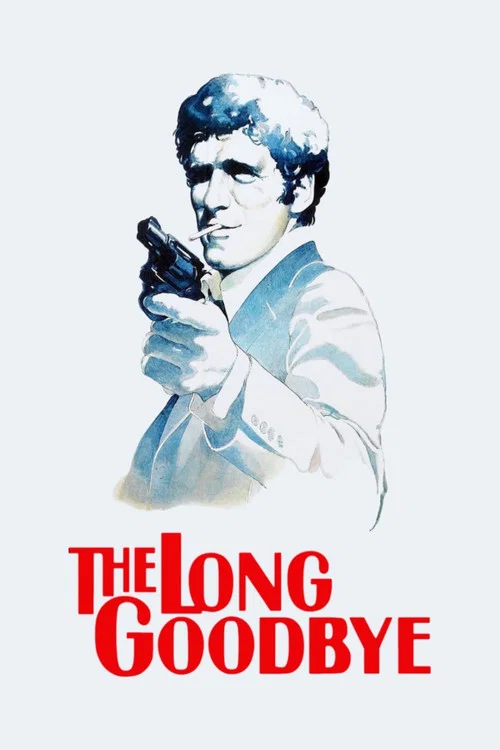
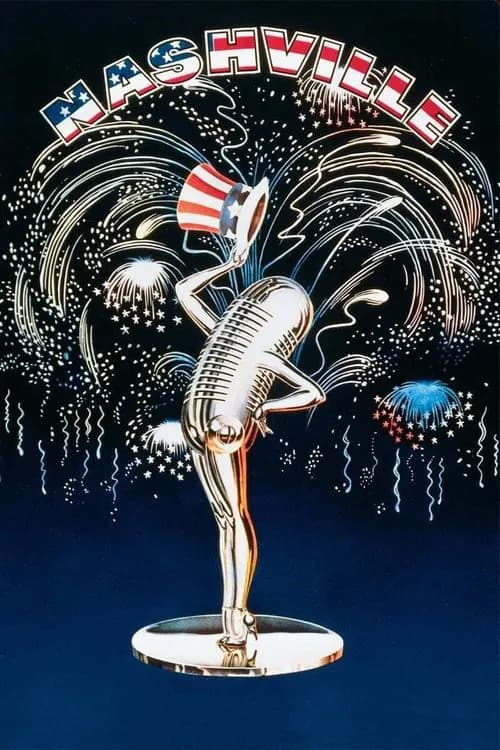
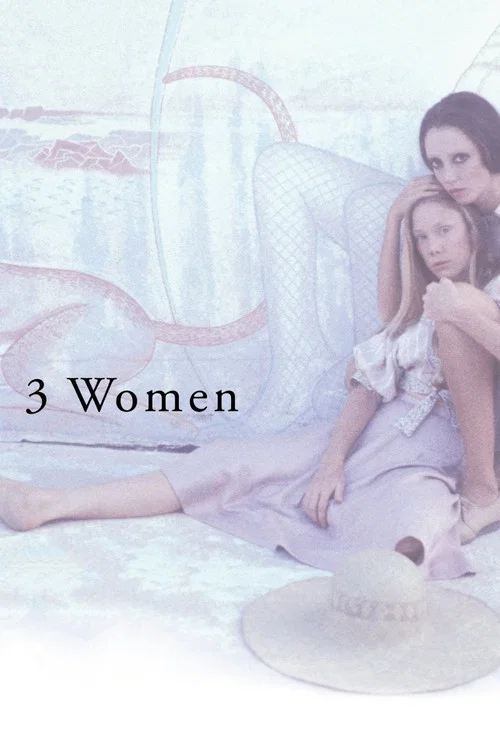
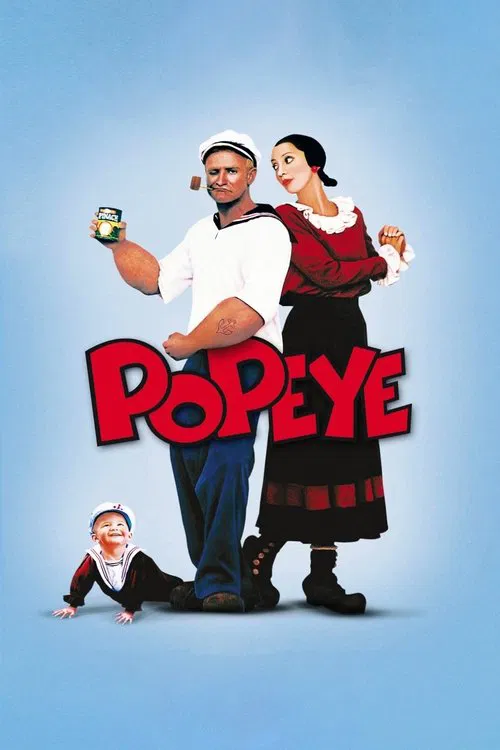
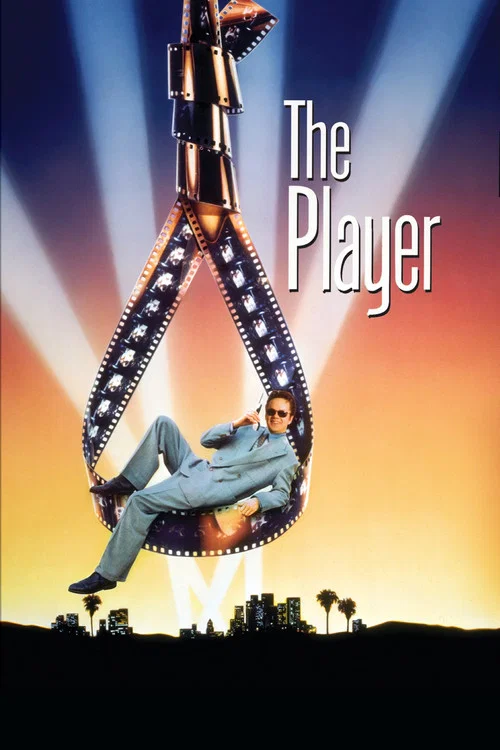
Robert Altman directed McCabe & Mrs. Miller, released in 1971. CineCode also covers M*A*S*H (1970), The Long Goodbye (1973), Nashville (1975), 3 Women (1977), Popeye (1980), The Player (1992).
What films are similar to McCabe & Mrs. Miller?
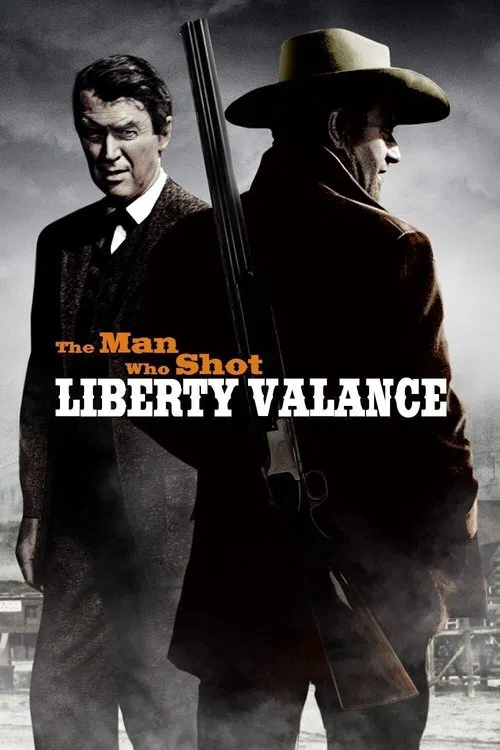
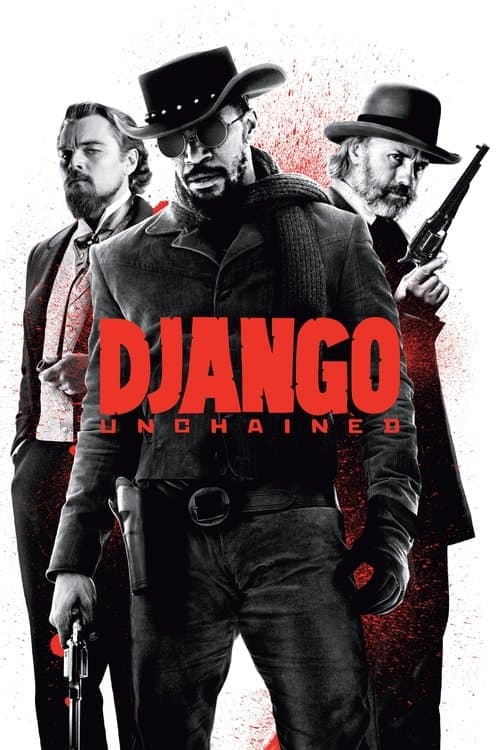
Films that share techniques with McCabe & Mrs. Miller include The Lovely Bones (2009), Doctor Zhivago (1965), The Man Who Shot Liberty Valance (1962), Django Unchained (2012).