Crime · Mystery · Drama

The Long Goodbye

Robert Altman, 1973

Private eye Philip Marlowe, a 1940s-style detective dropped into 1970s Los Angeles, drives a friend to Mexico. Soon the friend's wife is dead, gangsters are asking questions and Marlowe is the only one who believes in loyalty. Worth watching for how Altman turns a classic detective story into a mumbling, sunlit shrug.

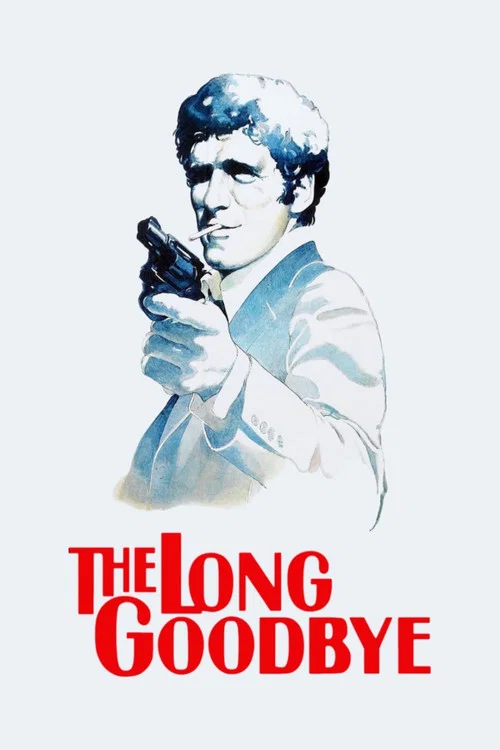
The Long Goodbye (1973) poster

At a glance

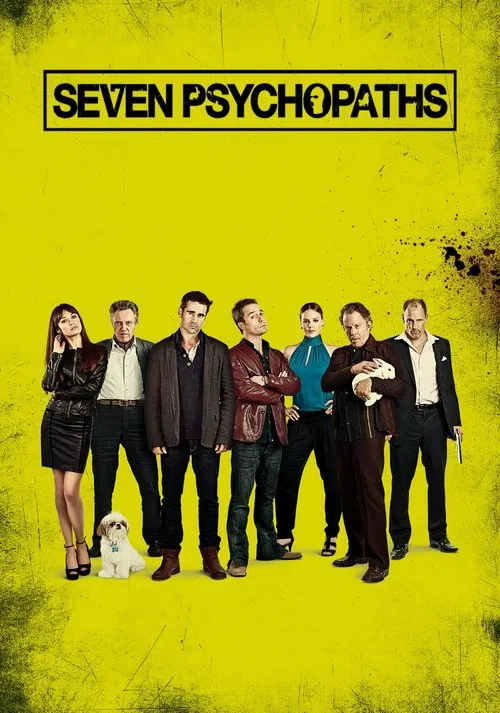
The Long Goodbye is a 1973 crime, mystery and drama film directed by Robert Altman. This breakdown covers 4 techniques (2 narrative, 1 cinematography and 1 psychology), each with the scene where you can see it. If you like how it is made, Seven Psychopaths uses several of the same techniques.

Narrative

Revisionist Genre Argument

Using a genre's familiar rules, like its heroes and its violence, to take those rules apart. The film turns your expectations into a political point the genre usually avoids.

How this film uses it

Elliott Gould plays Marlowe as a rumpled man who mutters to himself and cannot keep up with the city. The film takes the tough, honorable detective of old movies and drops him into a world that has stopped caring. It shows you why the old code looks out of place now.

Where to see it

The ending: Marlowe tracks Terry down at a Mexican villa and learns he killed his own wife and let Marlowe take the blame. He shoots Terry and strolls away down the road.
Cinematography

Flashed Film Look

Exposing the film stock to a little light before or after shooting, so blacks fade and colors soften. The image looks washed out and hazy, like a faded photograph.

How this film uses it

Cinematographer Vilmos Zsigmond gave the film a soft, pastel look in place of the dark, high-contrast feel of old noir. Sunlit Los Angeles looks as casual and sloppy as Marlowe himself. The haze makes the city seem like a place where nothing cuts deep.

Where to see it

The Malibu Colony scenes: Marlowe visits the Wades in their ocean-front home. The hazy light and shimmering sea make the setting look casual and a little unreal.

Narrative

Deadpan Absurdism

Showing extreme, violent or surreal events while the characters react as if nothing unusual is happening. That mismatch is funny and unsettling at the same time.

How this film uses it

Violence arrives in the middle of small talk. A gangster smashes a bottle in a woman's face to make a point, then carries on talking as if it were business. The calm is what makes it both funny and chilling.

Where to see it

The gangster's visit: Marty Augustine and his men rough up Marlowe at his apartment and demand $355,000 that Terry was meant to deliver.

Psychology

Betrayal and Withheld Truth

Driving drama from what one person hides from or fails to do for another. Loyalty goes unrewarded and silence works like betrayal.

How this film uses it

Terry asks Marlowe for one favor and leaves out everything that matters. Marlowe's loyalty gets him arrested, beaten and lied to, and you learn the truth only when he does. The sting comes from how little his friend thought of him.

Where to see it

The villa confrontation: Terry explains the affair and the murder, then dismisses Marlowe as a born loser. Marlowe answers by shooting him dead.

Questions

The Long Goodbye: quick answers

What filmmaking techniques does The Long Goodbye use?
CineCode breaks down 4 techniques in The Long Goodbye (1973): Revisionist Genre Argument, Flashed Film Look, Deadpan Absurdism and Betrayal and Withheld Truth.
Who directed The Long Goodbye?
Robert Altman directed The Long Goodbye, released in 1973. CineCode also covers M*A*S*H (1970), McCabe & Mrs. Miller (1971), Nashville (1975), 3 Women (1977), Popeye (1980), The Player (1992).
What films are similar to The Long Goodbye?
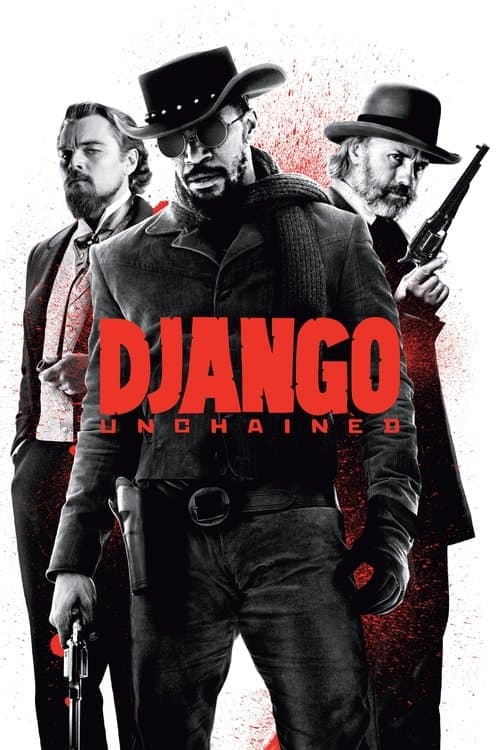
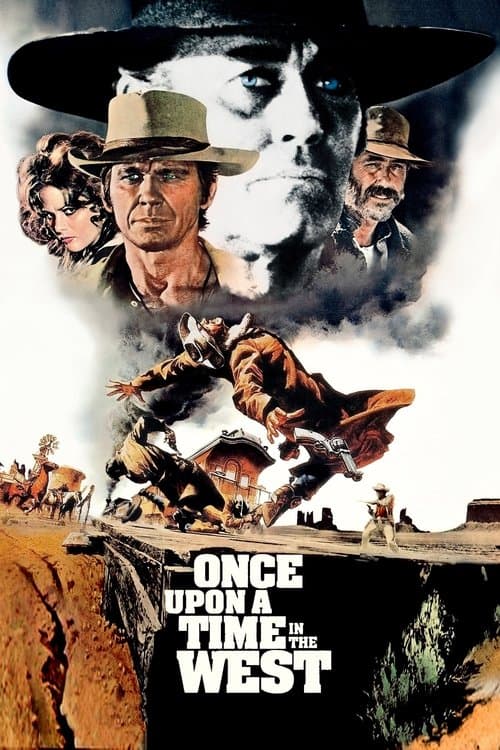
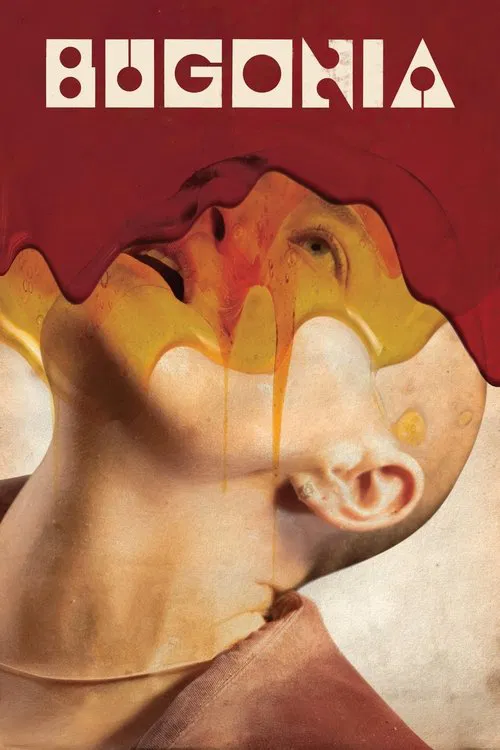
Films that share techniques with The Long Goodbye include Seven Psychopaths (2012), Bugonia (2025), Django Unchained (2012), Once Upon a Time in the West (1968).