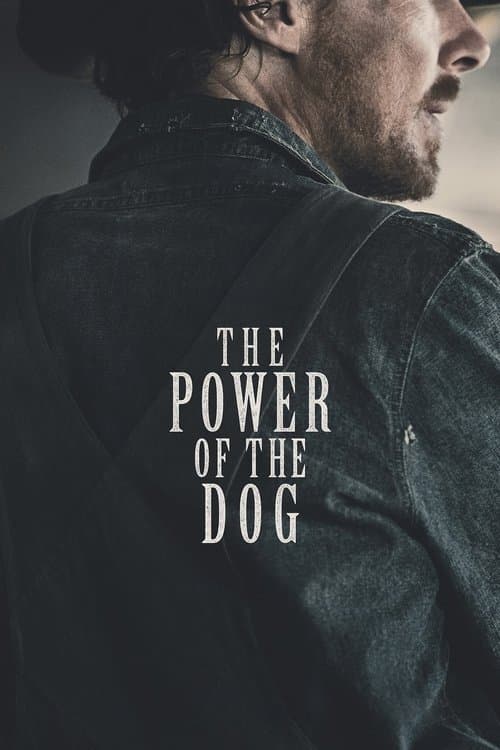
The Power of the Dog
Jane Campion · 2021
A cruel, brilliant rancher in 1925 Montana is enraged by his brother's marriage to a widow — and begins a campaign to destroy her effeminate son, until the relationship between the rancher and the boy becomes something neither man fully understands. Campion's most precise film uses the Western to dismantle its own mythology.
Techniques Used
4 techniques identified in this film
Psychological Doubling
PsychologyTwo characters who mirror each other as shadow versions — one representing what the other secretly is, fears, or desires — their relationship defining the film's psychological core.
How this film uses it
Phil and Peter are each other's shadow. Phil performs hypermasculinity to conceal his own nature; Peter conceals his intelligence behind fragility. Each recognizes something in the other that neither can name. The film's genius is making the audience understand the doubling before the characters do — and making the recognition's consequences catastrophic.
Obsession as Structural Engine
NarrativeA protagonist's consuming fixation — on a person, a place, a memory — that drives every narrative decision, the obsession constituting the film's architecture.
How this film uses it
Phil's obsession with Bronco Henry — the mentor he idolizes and mourns — organizes every relationship in the film. His cruelty to Rose, his contempt for George, his eventual interest in Peter — all are expressions of the loss he cannot process. Bronco Henry never appears, but he is the film's most present character.
Long-Lens Social Observation
CinematographyUsing telephoto lenses to observe characters at a distance — the compression of space making social dynamics feel watched rather than staged, the camera as an uninvited witness.
How this film uses it
Ari Wegner's cinematography uses long lenses to watch Phil from across the ranch — observing him from distances that feel like surveillance. The technique connects to the film's argument: Phil is being watched and assessed by someone he has not taken seriously, and the long lens makes the audience share that observing position.
Unreliable Narrator
NarrativeA central figure through whose actions and perspective events unfold — but whose understanding of their own situation is systematically limited or self-deceived.
How this film uses it
Phil is the film's dominant consciousness — the most intelligent person in every room, the most fully realized character. He is also the only person who doesn't understand what is happening to him. His confidence in his own reading of Peter is his fatal blind spot. The film positions the audience to see around Phil's intelligence precisely because he cannot.
You Might Also Like
Films that share at least one technique with The Power of the Dog
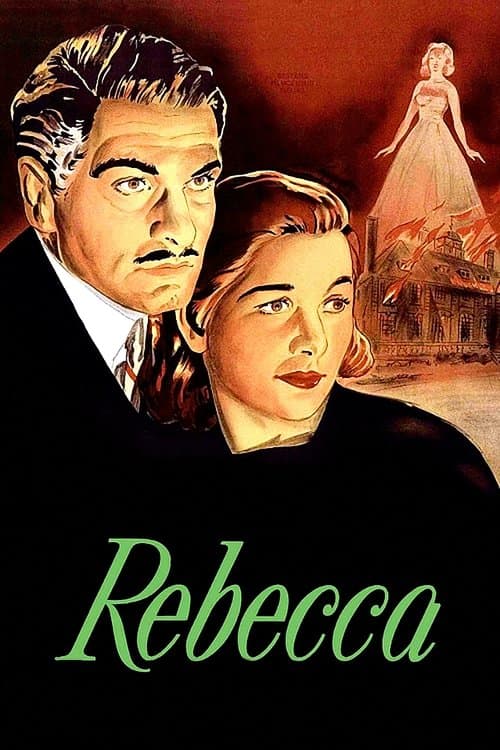
A shy young woman marries a wealthy widower and moves into his imposing Cornwall estate — only to find herself overwhelmed by the presence of his first wife, Rebecca, who seems to inhabit every room and every relationship. Hitchcock's Hollywood debut and his only Best Picture winner.
Rebecca
Alfred Hitchcock · 1940
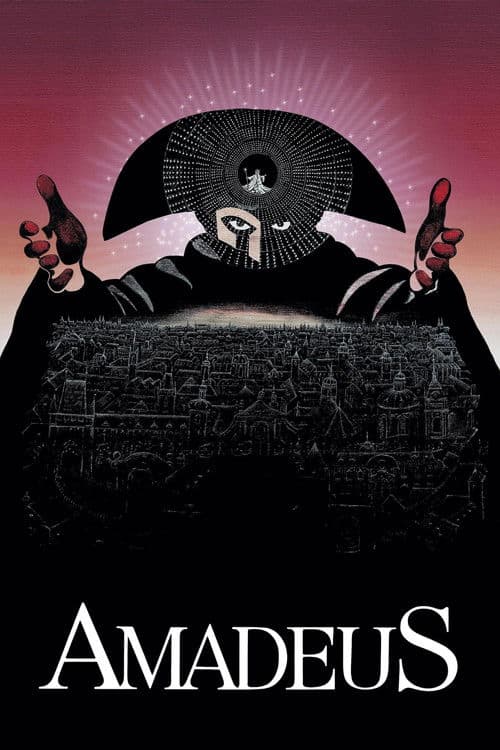
Antonio Salieri, court composer to the Austrian Emperor, becomes consumed by his hatred of the divinely gifted Wolfgang Amadeus Mozart. A film about mediocrity's relationship to genius — told entirely by the mediocre man, who understands exactly what he lacks and cannot forgive.
Amadeus
Miloš Forman · 1984

When Amy Dunne disappears on her fifth wedding anniversary, her husband Nick becomes the prime suspect — until her diary and the investigation reveal that neither of them is the person the other believed. David Fincher's film uses the marriage thriller to dismantle the performance of gender, love, and media innocence.
Gone Girl
David Fincher · 2014