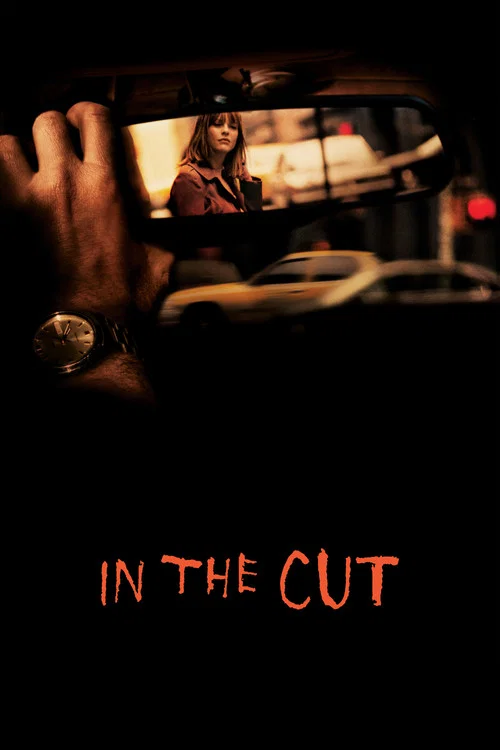
Frannie, a writer and English professor in New York, gets pulled into a detective's search for a serial killer after a victim's severed limb turns up in her garden. She falls for the detective while starting to fear he is the killer. Watch how the film makes desire and danger feel like the same thing.
In the Cut is a 2003 thriller, mystery and drama film directed by Jane Campion. This breakdown covers 5 techniques (1 cinematography, 2 psychology and 2 narrative), each with the scene where you can see it. If you like how it is made, Shallow Grave uses several of the same techniques.
Placing the camera like a hidden watcher, looking through peepholes, around corners and from concealed spots. You become part of the spying, which makes watching feel morally uneasy.
How this film uses it
Frannie sees something she was never meant to see, and the film puts you in the same position. In a dark bar basement she glimpses a man with a tattoo and a woman with blue fingernails. That small glimpse becomes the clue the whole story hangs on.
Where to see it
Bar basement: on her way to the bathroom, Frannie sees a woman and a man in a sexual encounter. In the dark she can still make out a 3 of spades tattoo on his wrist and the woman's blue fingernails.
Letting a character fall for someone they should distrust or oppose. Desire overrides suspicion, so the romance becomes a source of risk and comic or tragic tension.
How this film uses it
Frannie is drawn to Detective Malloy even as her instincts tell her to be careful. His aggression thrills and frightens her in equal measure. The romance feels risky because you are never sure she should trust him.
Where to see it
Malloy and Frannie: Malloy questions her about the murder, and she is alternately thrilled and frightened by his sexual aggressiveness. After she is assaulted by a masked stranger she phones him, and they have sex.
Building suspicion step by step, as characters feel watched or doubt those around them. The sense of being observed grows until it shapes every choice.
How this film uses it
Suspicion builds step by step. First she remembers the tattoo, then she finds her missing charm in his jacket, and more evidence keeps stacking up against him. By the end you feel as watched and unsure as she does.
Where to see it
Cuffed to the pipe: Frannie has sex with Malloy while he is handcuffed to a pipe, then finds her missing charm in his jacket. She takes his jacket and gun and leaves him handcuffed.
Showing an object or detail early on that becomes important later. The idea is that nothing gets screen time unless the story is going to use it.
How this film uses it
Small details planted early pay off later. The 3 of spades tattoo, the blue nails and the missing charm each come back. A tattoo you think points to one man points to another.
Where to see it
Lighthouse reveal: Rodriguez drives Frannie to the Little Red Lighthouse below the George Washington Bridge. She sees he has the same tattoo as Malloy and he presents a ring on the end of a knife.
Having a character read or recite real verse so the poem says what the characters cannot. The words become the emotional center of the film.
How this film uses it
Frannie reads poems on subway posters, and they seem to speak to what she is living through. A line of verse says what she cannot say aloud. It gives the thriller a quiet, literary heartbeat.
Where to see it
Subway posters: periodically, Frannie reads poems on subway posters that seem to have bearing on her own life.
Questions
In the Cut: quick answers
What filmmaking techniques does In the Cut use?
CineCode breaks down 5 techniques in In the Cut (2003): Voyeuristic Implication, Attraction Against Judgment, Paranoia Spiral, Chekhov's Gun and Recited Poetry as Theme.
Who directed In the Cut?
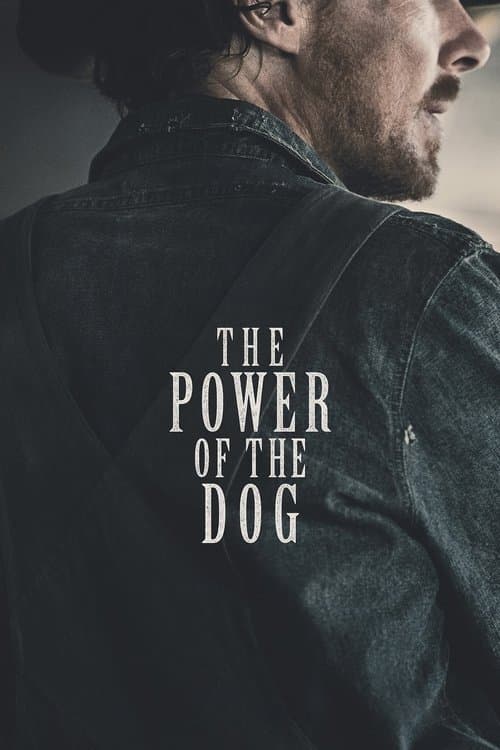
Jane Campion directed In the Cut, released in 2003. CineCode also covers The Piano (1993), Bright Star (2009), The Power of the Dog (2021).
What films are similar to In the Cut?
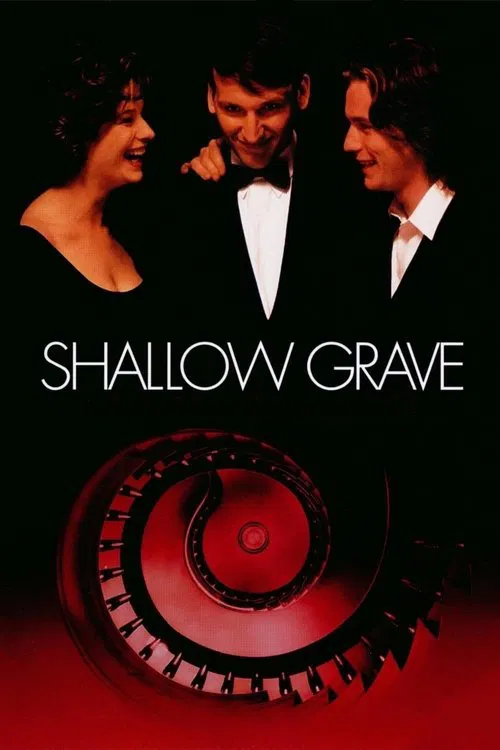
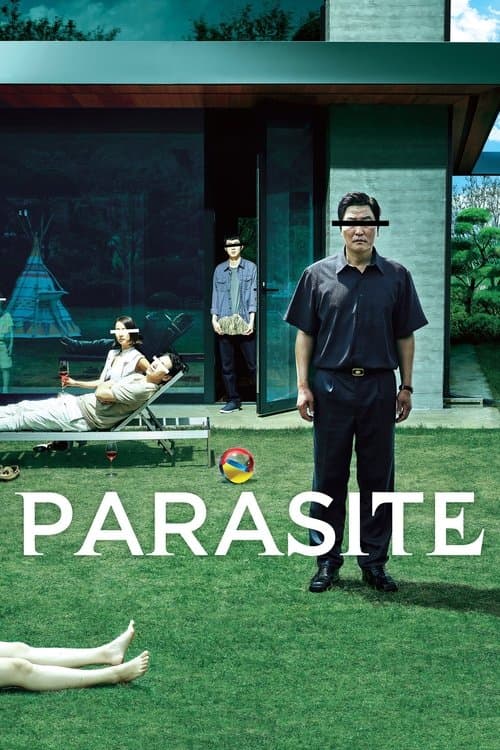
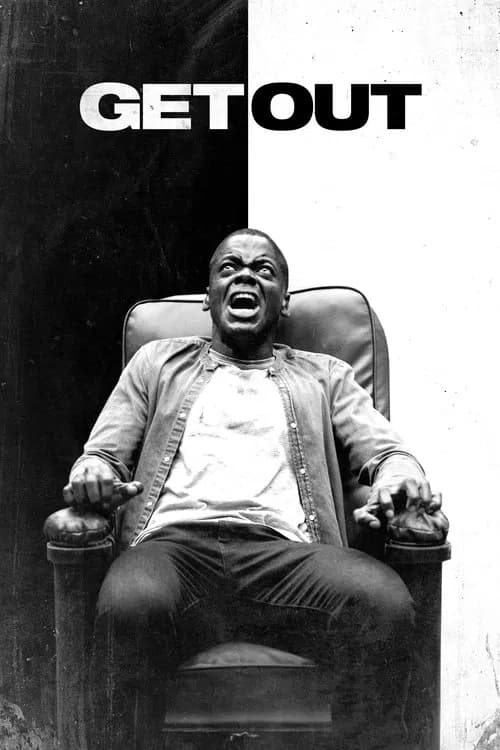
Films that share techniques with In the Cut include Shallow Grave (1994), Parasite (2019), Get Out (2017), Back to the Future (1985).