Science Fiction · Adventure

Dune: Part One

Denis Villeneuve, 2021

The noble Atreides family is sent to look after the desert planet Arrakis, the only source of the universe's most valuable substance. Their enemies ambush them, and Paul Atreides is forced into the harsh desert and an uncertain prophetic destiny. Villeneuve's adaptation treats Frank Herbert's epic as a film about the weight of mythology.

Dune: Part One (2021) poster

At a glance

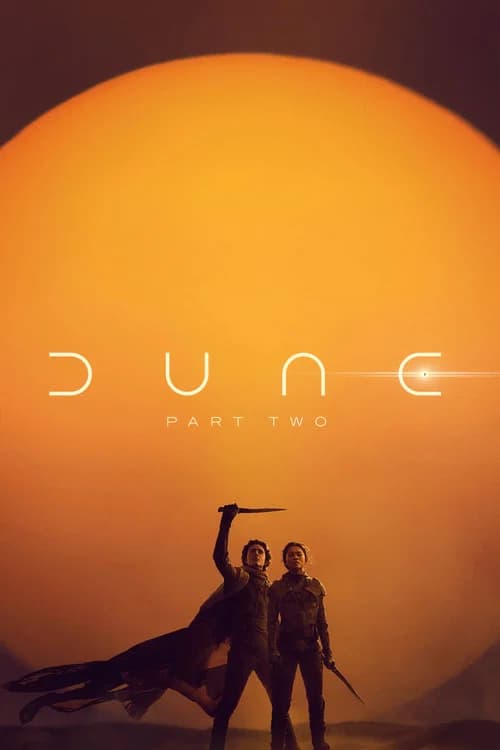
Dune: Part One is a 2021 science fiction and adventure film directed by Denis Villeneuve. This breakdown covers 4 techniques (2 cinematography, 1 narrative and 1 sound), each with the scene where you can see it. If you like how it is made, Dune: Part Two uses several of the same techniques.

Cinematography

Desert as Protagonist

Treating a desert or vast landscape as a main character with as much screen time as the actors. It has its own arc and can dwarf, kill and transform the people in it.

How this film uses it

Villeneuve and cinematographer Greig Fraser shoot Arrakis as a living thing. The sand dunes get as much weight in the frame as human faces, and the spice storms are shot as enemies made of the elements.

Where to see it

The sandworm's first full emergence from the dunes. You can't tell the creature and the desert apart, and it looks like the planet defending itself.
Narrative

Secondary World Construction

Building a fictional world with its own consistent rules, history, culture and visual detail. It feels like the world keeps going beyond what you see on screen.

How this film uses it

Villeneuve trusts you to absorb the Dune universe by being immersed in it, with very little explanation. Terms like 'the Gom Jabbar', 'prescience' and 'the Voice' are shown in action before anyone defines them.

Where to see it

The pain-box trial early in the film. You experience the Bene Gesserit's power and philosophy without a single line of explanation.

Cinematography

IMAX Large-Format Space

Shooting vast environments, including outer space, on 70mm IMAX film. The extra size and sharpness make you feel like you are inside the image.

How this film uses it

Greig Fraser's IMAX photography keeps setting imperial architecture against the desert landscape. The contrast makes the same point every time: human power structures look tiny next to geological time.

Where to see it

The Atreides ornithopters descending over Arrakeen. The IMAX frame captures the military scale of the craft and also how insignificant the city is against the desert beyond.

Sound

Leitmotif

Repeating a short piece of music or a sound every time a certain character, idea or feeling comes up. You learn to connect the 2.

How this film uses it

Hans Zimmer gives each faction its own sound through unusual instruments: bagpipes for House Atreides and women's voices for the Bene Gesserit. That is, the score works as a map of the film's politics.

Where to see it

The Fremen theme coming in as Chani appears in Paul's prophetic visions. The music marks the desert people as the film's true subject before they appear in full.

Questions

Dune: Part One: quick answers

What filmmaking techniques does Dune: Part One use?
CineCode breaks down 4 techniques in Dune: Part One (2021): Desert as Protagonist, Secondary World Construction, IMAX Large-Format Space and Leitmotif.
Who directed Dune: Part One?
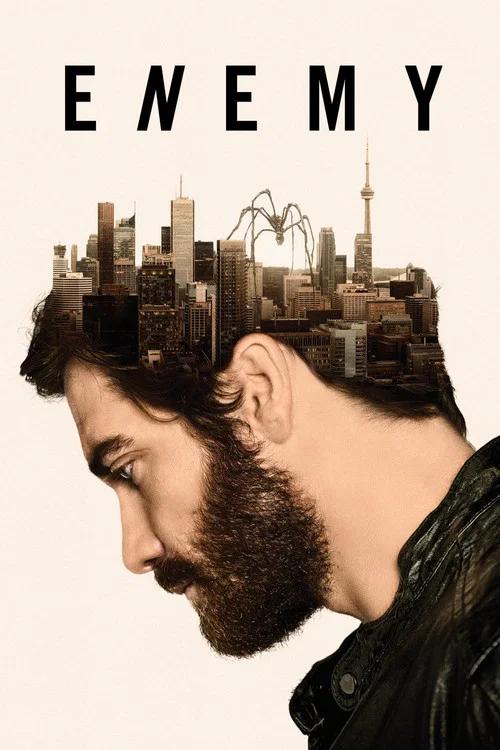
Denis Villeneuve directed Dune: Part One, released in 2021. CineCode also covers Polytechnique (2009), Incendies (2010), Prisoners (2013), Enemy (2014), Sicario (2015), Arrival (2016).
What films are similar to Dune: Part One?
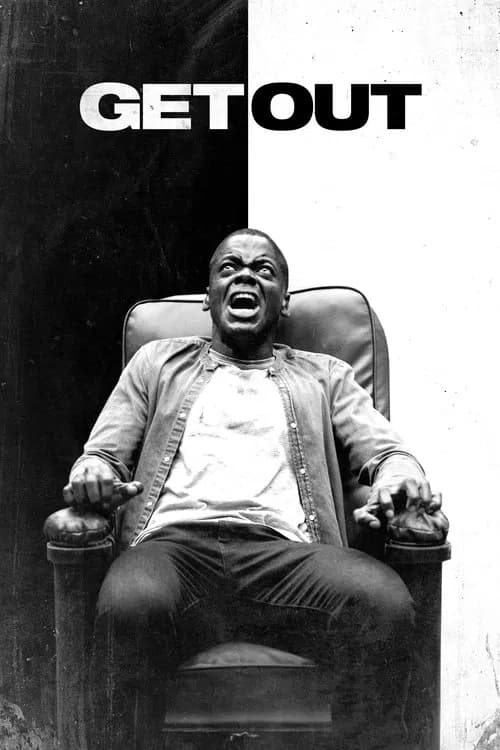
Films that share techniques with Dune: Part One include Dune: Part Two (2024), Get Out (2017), Black Swan (2010), The Lord of the Rings: The Fellowship of the Ring (2001).

Side by side

Compare it with