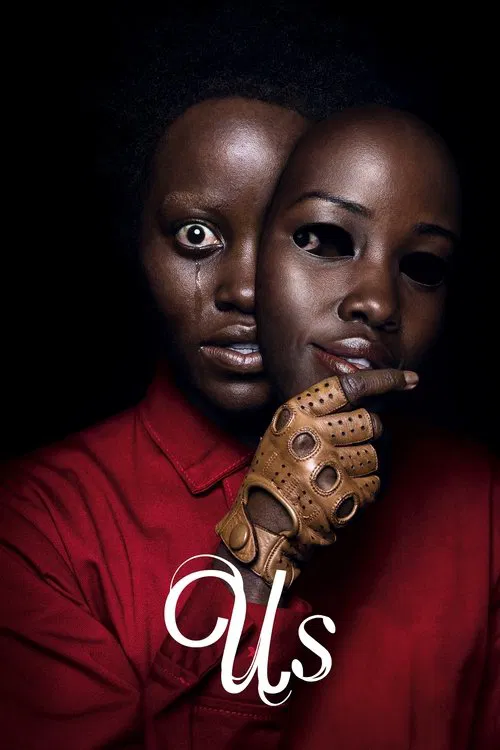
Adelaide Wilson takes her family on a beach vacation near Santa Cruz, where something frightened her as a child. One night, a family of 4 appears in their driveway, dressed in red and holding scissors. They look exactly like the Wilsons. Watch it for how Peele plants clues in plain sight for a twist you can rewatch with fresh eyes.
Us is a 2019 horror and thriller film directed by Jordan Peele. This breakdown covers 5 techniques (1 psychology, 2 narrative and 2 sound), each with the scene where you can see it. If you like how it is made, Gone Girl uses several of the same techniques.
Pairing the main character with a second character who mirrors them. The double shows what the hero wants, fears or secretly is.
How this film uses it
Each member of the Wilson family faces their own copy, called the Tethered. Lupita Nyong'o plays both Adelaide and her double, Red. Red is the only one who speaks, in a strained, raspy voice. Fighting your own double makes every attack feel like a fight with yourself.
Where to see it
Red's story in the living room. The Tethered hold the Wilsons hostage, and Red tells the story of a girl and her shadow, from the shadow's side.
Saving a reveal for the climax that changes the meaning of every scene before it. You have to rebuild the whole film in your head with the new knowledge.
How this film uses it
The last minutes reveal that the girls swapped places in 1986. The woman you followed as Adelaide was the double all along. Her strange childhood silence and her ease with violence suddenly make sense.
Where to see it
The drive away. Adelaide remembers the hall of mirrors and the struggle with her double, while her son Jason watches her and pulls his mask down over his face.
Repeating one piece of music until it is tied to a memory or feeling. Each time it returns, it brings back everything you and the characters have been through.
How this film uses it
"I Got 5 on It" by the Luniz first plays as a fun family singalong in the car. Later, composer Michael Abels turns it into a creepy orchestral version called the Tethered Mix. Hearing it again turns a happy memory into dread.
Where to see it
The car ride to the summer house. The family sings along to "I Got 5 on It" on the way.
Playing a cheerful or familiar pop song over violence or moral disaster. The gap between the song and the image creates dark comedy and political commentary.
How this film uses it
The Beach Boys' "Good Vibrations" plays while the Tylers are murdered in their stylish beach house. When someone asks the smart speaker to call the police, it plays an N.W.A song about the police instead. The jokes make the violence feel even colder.
Where to see it
The Tylers' house. The family's doubles kill them one by one while upbeat music plays from the smart speaker.
Cutting back and forth between 2 timelines, often past and present. Each one helps explain the other as the film goes on.
How this film uses it
Peele cuts the final fight between Adelaide and Red against a flashback of the 2 girls dancing ballet as children, one above ground and one below. Their moves match each other. The cutting tells you they were always bound together.
Where to see it
The underground fight. Adelaide and Red fight in the tunnels while the film cuts to their childhood dance recital.
Questions
Us: quick answers
What filmmaking techniques does Us use?
CineCode breaks down 5 techniques in Us (2019): Psychological Doubling, Retroactive Reframing Revelation, Musical Memory Trigger, Ironic Pop Music Score and Parallel Chronology.
Who directed Us?
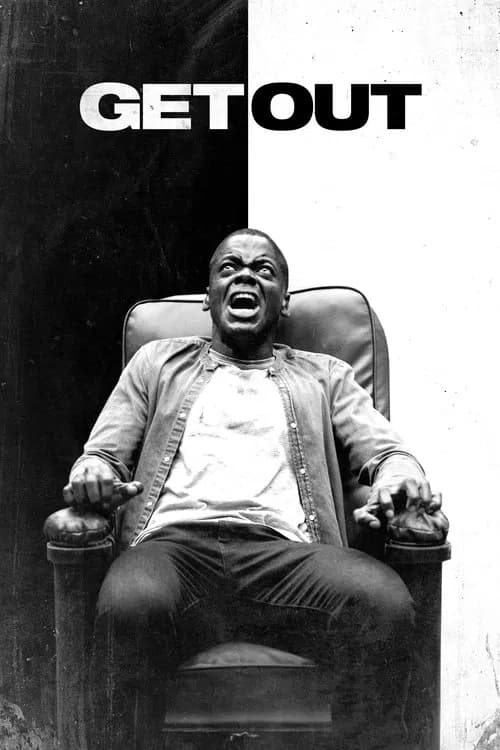
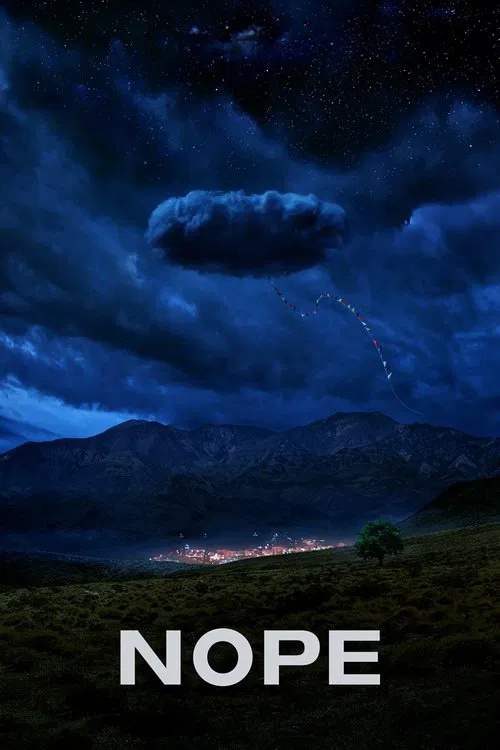
Jordan Peele directed Us, released in 2019. CineCode also covers Get Out (2017), Nope (2022).
What films are similar to Us?
Films that share techniques with Us include Gone Girl (2014), May December (2023), Three Colors: Red (1994), Incendies (2010).