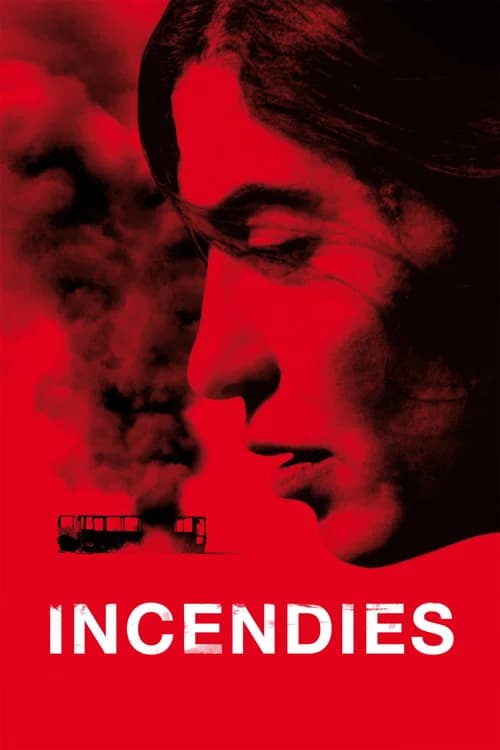
Twin siblings receive a mysterious last request from their mother. They must find the father they were told was dead and the brother they never knew existed. They travel to an unnamed Middle Eastern country and trace a history of war and atrocity that their mother survived but never spoke of. Denis Villeneuve's film is a mystery that becomes a tragedy with an unbearable symmetry to it.
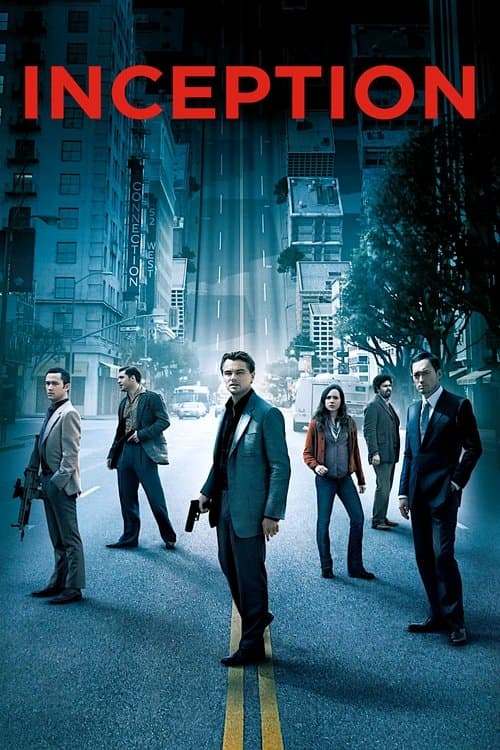
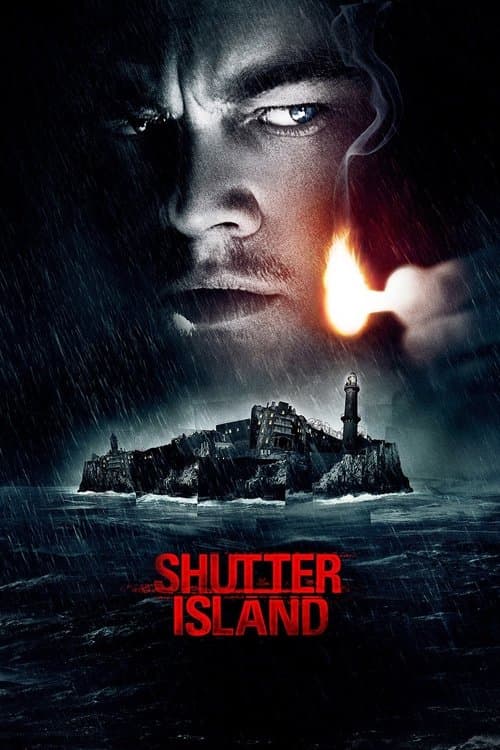
Incendies is a 2010 drama, mystery and war film directed by Denis Villeneuve. This breakdown covers 4 techniques (4 narrative), each with the scene where you can see it. If you like how it is made, The Social Network uses several of the same techniques.
Saving a reveal for the climax that changes the meaning of every scene before it. You have to rebuild the whole film in your head with the new knowledge.
How this film uses it
The film's final revelation is the identity of the father and brother. Once you know it, every earlier scene of Nawal's story changes meaning. You realize the mystery was about something far more terrible than the siblings' inheritance. Looking back, the entire film becomes a portrait of a specific, named atrocity.
Where to see it
The twins learn from the warlord Chamseddine what became of the boy from the orphanage. Then they work out that the torturer Abou Tarek is that boy. He is both their brother and their father. You are forced to put the whole timeline of the film back together around that identity.
Cutting back and forth between 2 timelines, often past and present. Each one helps explain the other as the film goes on.
How this film uses it
Villeneuve cuts back and forth between the twins' present-day investigation and Nawal's past in the unnamed country. The 2 timelines move toward a revelation that you can only see once both are complete. Each timeline gives you information that makes the other one readable.
Where to see it
Nawal's imprisonment at Kfar Ryat in the past timeline. You can't see why it matters until the twins' investigation in the present reaches Chamseddine and the identity of Abou Tarek.
Telling the story out of order by jumping between time periods. The order you see events in changes how you understand them.
How this film uses it
Villeneuve moves between the present investigation and the past with nothing to tell you when you are. You have to piece together Nawal's history at the same pace as her children. Understanding arrives in fragments, and nobody ever explains it to you outright.
Where to see it
The prison sequences. Nawal's imprisonment is shown in fragments across both timelines. You only get the full picture once you've seen all of them.
Watching events from a measured distance with no swelling music, tear-jerking close-ups or showy camera moves. The film trusts what happens to carry the weight on its own.
How this film uses it
Nawal's story covers decades, and Villeneuve films it with restraint because he understands that the horror speaks for itself. Nothing in the filmmaking comments on what you see. The camera is there to witness and it doesn't judge.
Where to see it
Nawal singing in her prison cell while other prisoners scream nearby. She sings despite everything and the camera watches without explanation. Singing in those conditions is the film's most concentrated image of human endurance.
Questions
Incendies: quick answers
What filmmaking techniques does Incendies use?
CineCode breaks down 4 techniques in Incendies (2010): Retroactive Reframing Revelation, Parallel Chronology, Non-Linear Narrative and Observational Restraint.
Who directed Incendies?
Denis Villeneuve directed Incendies, released in 2010. CineCode also covers Polytechnique (2009), Prisoners (2013), Enemy (2014), Sicario (2015), Arrival (2016), Blade Runner 2049 (2017).
What films are similar to Incendies?
Films that share techniques with Incendies include The Social Network (2010), Moonlight (2016), Oppenheimer (2023), The Worst Person in the World (2021).