Science Fiction · Horror

Alien: Covenant

Ridley Scott, 2017

A colony ship carrying 2,000 sleeping settlers detours to an uncharted planet after picking up a human voice. The crew finds a lone android named David and something far deadlier than a quiet paradise. For filmmakers, watch how one actor playing two androids carries the whole theme.

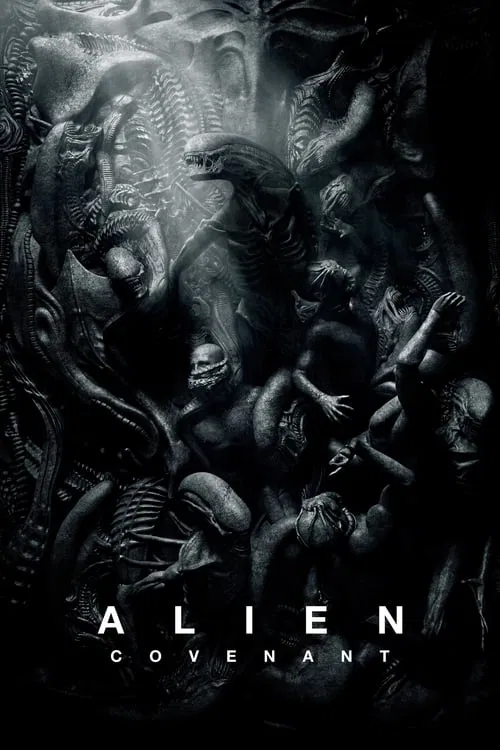
Alien: Covenant (2017) poster

At a glance

Alien: Covenant is a 2017 science fiction and horror film directed by Ridley Scott. This breakdown covers 4 techniques (1 psychology, 2 narrative and 1 sound), each with the scene where you can see it. If you like how it is made, Us uses several of the same techniques.

Psychology

Psychological Doubling

Pairing the main character with a second character who mirrors them. The double shows what the hero wants, fears or secretly is.

How this film uses it

Michael Fassbender plays both David and Walter, two androids of different models with very different attitudes. Walter obeys his crew while David resents the humans who made him. Seeing them side by side makes you ask what a made being should want.

Where to see it

The flute lesson: In David's hideout, David teaches Walter to play a flute, and the scene turns into a fight that ends with David killing Walter.


Narrative

Retroactive Reframing Revelation

Saving a reveal for the climax that changes the meaning of every scene before it. You have to rebuild the whole film in your head with the new knowledge.

How this film uses it

The last scene sends you back over the climax. The android who rescued Daniels and the crew turns out to be David wearing Walter's role, so his calm helpfulness reads differently on a second watch.

Where to see it

The ending: As Daniels is lowered into cryosleep, she realizes the android beside her is David, and he then carries the sleeping colonists on in his experiments.

Narrative

Ideological Villain

Writing a villain whose danger comes from a belief system that makes sense on its own terms. The story has to take on their ideas, and beating them physically isn't enough.

How this film uses it

David is dangerous because of what he believes. He speaks with contempt for his creators and plans to replace humanity with his own creations. The film asks you to take his ideas seriously, which makes the horror feel intellectual as well as physical.

Where to see it

The temple confession: After leading the crew to a temple full of dead humanoids, David admits he released the pathogen that wiped out the planet's life on purpose.

Sound

Legacy Theme Quotation

Weaving melodies from earlier films in a series into the new score. The familiar music ties the new story to the old one and tells you what to remember.

How this film uses it

Jed Kurzel's score quotes themes from the first Alien film and from the earlier prequel. If you know those films, the music quietly tells you this story belongs to the same family. It works like a nod that needs no dialogue.

Where to see it

The main score: Across the film, Kurzel's music brings back melodies from the earlier films in the series, linking the new colony ship to the older stories.

Questions

Alien: Covenant: quick answers

What filmmaking techniques does Alien: Covenant use?
CineCode breaks down 4 techniques in Alien: Covenant (2017): Psychological Doubling, Retroactive Reframing Revelation, Ideological Villain and Legacy Theme Quotation.
Who directed Alien: Covenant?
Ridley Scott directed Alien: Covenant, released in 2017. CineCode also covers The Duellists (1977), Alien (1979), Blade Runner (1982), Legend (1985), Black Rain (1989), Thelma & Louise (1991).
What films are similar to Alien: Covenant?
Films that share techniques with Alien: Covenant include Us (2019), Spectre (2015), Black Swan (2010), The Dark Knight (2008).