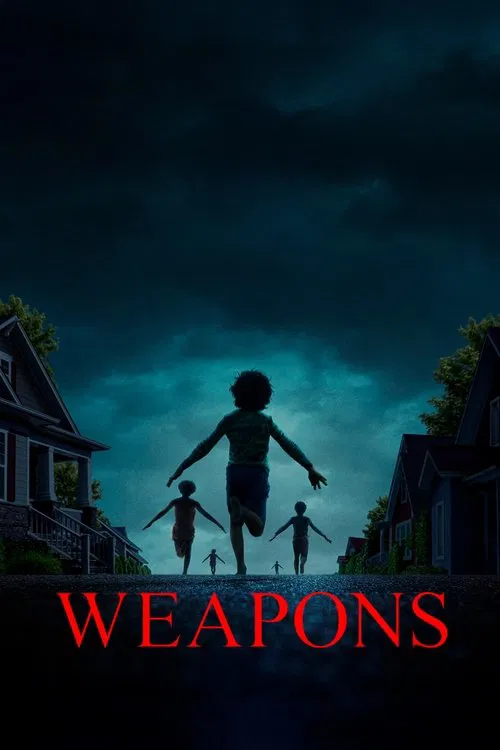
One night at 2:17 a.m., 17 children from the same third-grade class get out of bed, run into the dark and vanish. Only one boy from the class is left. The town blames their teacher, Justine. Zach Cregger tells the story in chapters, each from a different person's side, and each chapter hands you one more piece of the puzzle.
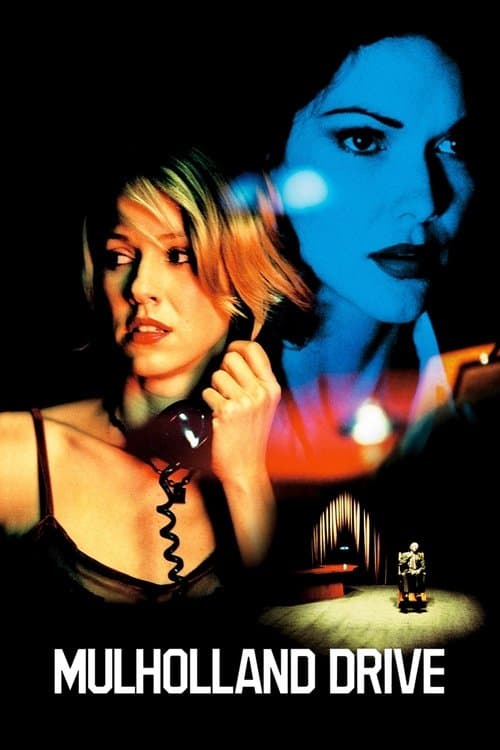
Weapons is a 2025 horror and mystery film directed by Zach Cregger. This breakdown covers 5 techniques (3 narrative, 1 cinematography and 1 psychology), each with the scene where you can see it. If you like how it is made, Mulholland Drive uses several of the same techniques.
Splitting a film into chapters that each follow a different character's point of view. Events overlap, so a scene you already saw comes back from another side and means something new.
How this film uses it
Each chapter opens with a title card bearing a character's name, like Justine or Archer. Then the film doubles back and follows that person through the same days. Cregger has cited Magnolia as one inspiration for the structure. Moments you already watched come back from the other side, and each version fills in a gap.
Where to see it
The confrontation between Paul and James. In Paul's chapter, it plays in an ordinary medium shot. In James's chapter, the same cop is shot from a low angle and looks far more threatening.
Having a narrator describe events in a plain, matter-of-fact way, sometimes without fully understanding them. You notice more than the narrator says, which creates irony and sympathy.
How this film uses it
The film opens with a child's voice telling you about the night the kids disappeared. The narration sounds like a creepy story kids pass around, told plainly and without comment. You sense the narrator knows how it ends, so you keep listening for what they leave out.
Where to see it
The opening. Over doorbell camera footage of children running out of their homes, a child narrator explains how 17 kids disappeared in one night.
Shooting with the look of surveillance footage: fish-eye lenses, hidden or high angles, static wide frames and cameras placed inside objects. You feel like you are watching remotely, and the image looks strange.
How this film uses it
The disappearance is shown through home doorbell cameras. You watch children open their front doors and sprint into the dark with their arms held out at their sides. The flat security-camera image makes it feel like real footage someone found.
Where to see it
Archer studies the footage. He maps the direction each child ran, and the lines meet at one house.
Holding back a key piece of information for a large part of the film, then revealing it in 1 moment. Everything you already watched now means something different.
How this film uses it
The film keeps the answer from you for most of its running time. Only when Alex, the one kid left behind, gets his own chapter do you learn what happened in his house. Every strange moment before it suddenly fits.
Where to see it
Alex's chapter. You learn that his Aunt Gladys, a witch, bewitched his parents and used him to lure his classmates into the basement.
Making something familiar look slightly wrong, like an ordinary house or face that feels off. The dread comes from that strangeness, with no obvious threat on screen.
How this film uses it
Alex's house looks like any other on the street, except its windows are covered. Inside, his parents sit perfectly still. Aunt Gladys is first shown in broad daylight, chatting like a normal relative, and her clownish makeup and pushiness make the friendliness feel wrong.
Where to see it
Justine follows Alex home. She finds the windows covered and his parents sitting motionless inside.
Questions
Weapons: quick answers
What filmmaking techniques does Weapons use?
CineCode breaks down 5 techniques in Weapons (2025): Multiple Perspective Chapters, Innocent Eye Narration, Surveillance Camera Grammar, The Long Reveal and Uncanny.
Who directed Weapons?
Zach Cregger directed Weapons, released in 2025. CineCode also covers Barbarian (2022).
What films are similar to Weapons?
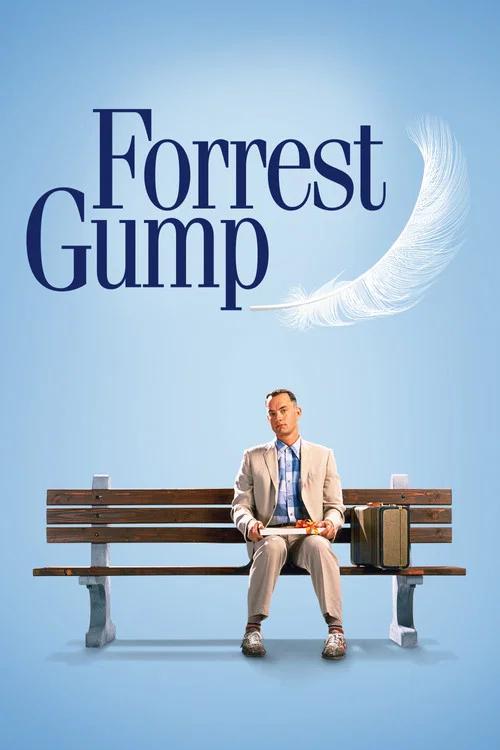
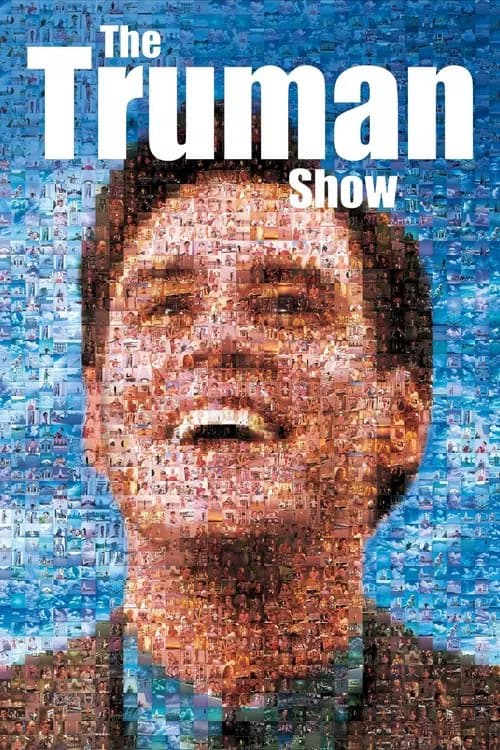
Films that share techniques with Weapons include Mulholland Drive (2001), The Shawshank Redemption (1994), Forrest Gump (1994), The Truman Show (1998).