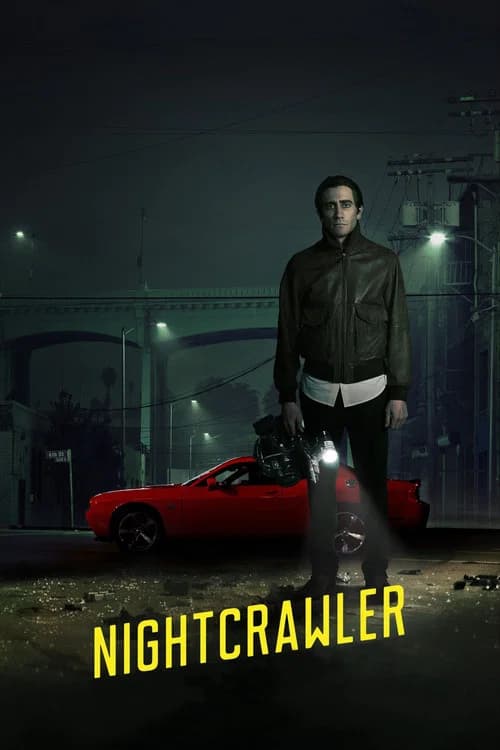
Lou Bloom is an amoral, sociopathic drifter who discovers the world of freelance crime videography. He climbs the Los Angeles local news food chain fast by going further than anyone else, which includes staging crime scenes to improve his footage. Dan Gilroy's film is a portrait of how willing late capitalism is to make a star of anything unhinged enough.
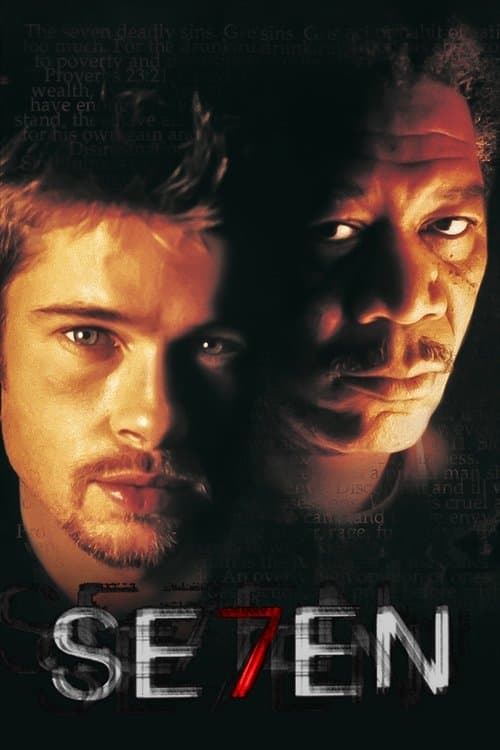
Nightcrawler is a 2014 crime, drama and thriller film directed by Dan Gilroy. This breakdown covers 4 techniques (2 narrative and 2 cinematography), each with the scene where you can see it. If you like how it is made, Se7en uses several of the same techniques.
Making the main character someone who secretly watches others, then showing you what they see. You become aware that you are watching too, and that it makes you complicit.
How this film uses it
Gilroy makes you watch Lou's crime footage being broadcast on the local news. Then, you watch the news director celebrate its ratings. Lou has correctly worked out that an appetite for violent spectacle drives the whole system, and by watching, you end up sharing in that appetite.
Where to see it
The news director watching Lou's footage and working out how big an audience it will pull. You are making the same calculation as a viewer, and I feel like it's the most uncomfortable moment in the film because you recognize yourself in it.
Shooting a city with washed-out color, heavy shadow, rain-slick streets and decaying buildings, often at night. The city looks corrupt and threatening, and it dwarfs the people in it.
How this film uses it
Robert Elswit shoots Los Angeles at night as Lou's natural habitat: the freeway, the crime scene, the news van. The nighttime city looks like a Gothic landscape, dark and menacing, and it's exactly the kind of place that produces a creature like Lou.
Where to see it
Lou's car on the freeway at 3 a.m., with the scanner going and the city a grid of orange light. The film shows the nighttime map of a city that never sleeps as the environment that made him.
Making a villain or anti-hero more extreme as the film goes on, with each act bolder and harder to predict. The fear comes from never knowing what they will do next.
How this film uses it
Lou crosses a bigger line with each act. He goes from tampering with crime scenes to withholding evidence to sending Rick in to film a gunman who may still be alive. Gilroy sets up each step so it makes sense by Lou's logic. All the while, you get more and more aware of how far you've gone along with him.
Where to see it
Lou moving a dead body to get a better angle for his shot. This is the moral point of no return in the film. He crosses it with the calm of someone who has decided that nothing is off-limits.
Shooting with the look of surveillance footage: fish-eye lenses, hidden or high angles, static wide frames and cameras placed inside objects. You feel like you are watching remotely, and the image looks strange.
How this film uses it
Every so often, Gilroy and Elswit shoot the way Lou's own cameras do, like the view of a crime scene or the long telephoto stakeout shot. You stand where Lou stands. You also share his cold detachment from the suffering he is filming.
Where to see it
Lou's footage of the home invasion victims playing back on his editing system. You watch through the eye of his camera, and you see the footage the way he does when he edits it.
Questions
Nightcrawler: quick answers
What filmmaking techniques does Nightcrawler use?
CineCode breaks down 4 techniques in Nightcrawler (2014): Voyeurism as Audience Mirror, Urban Gothic Cinematography, Escalating Villain Intensity and Surveillance Camera Grammar.
Who directed Nightcrawler?
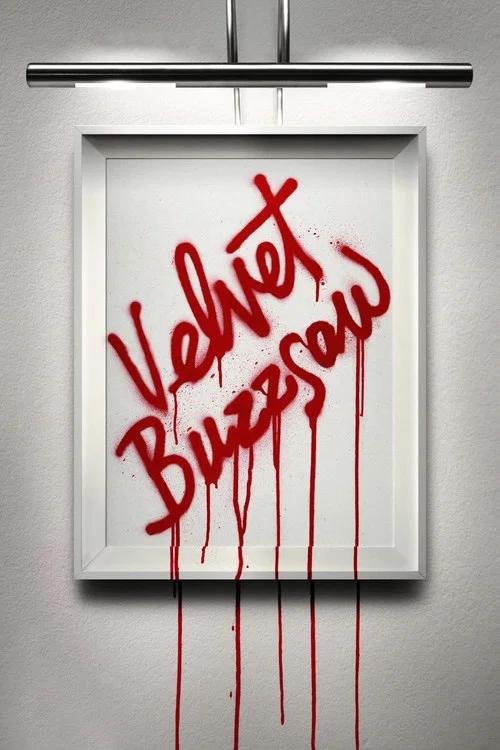
Dan Gilroy directed Nightcrawler, released in 2014. CineCode also covers Velvet Buzzsaw (2019).
What films are similar to Nightcrawler?
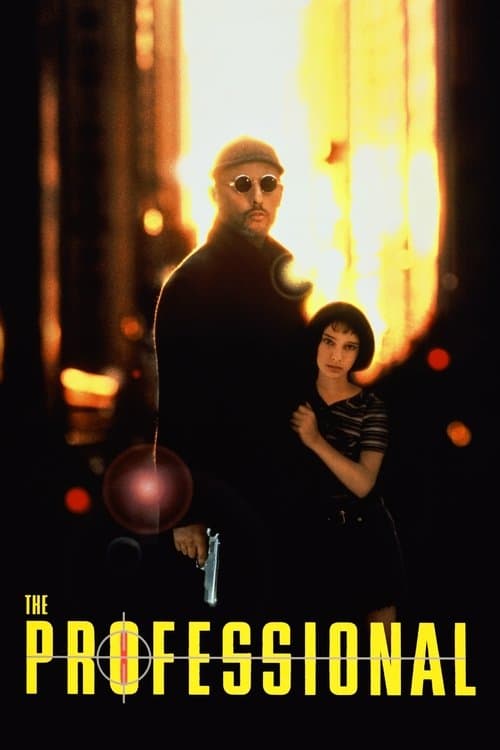
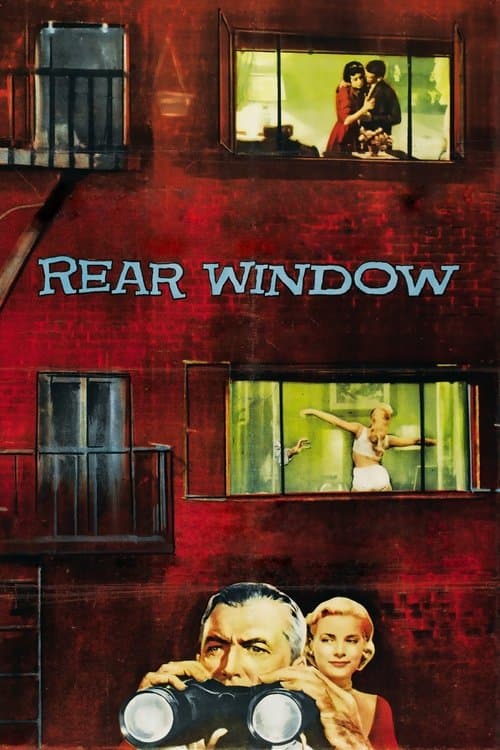
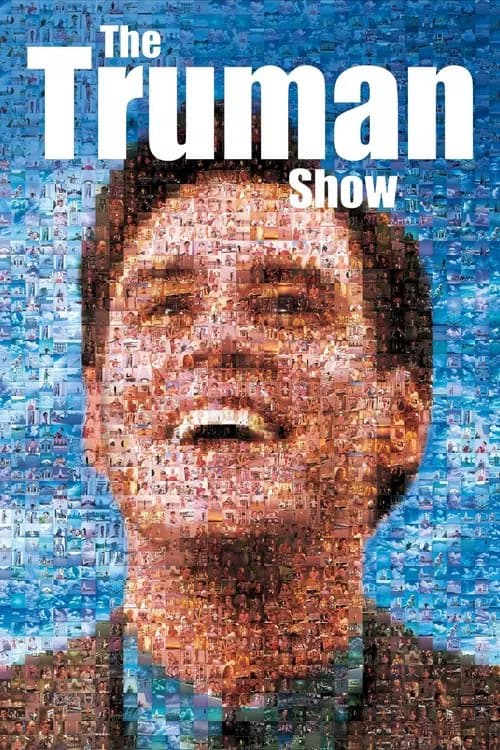
Films that share techniques with Nightcrawler include Se7en (1995), Léon: The Professional (1994), Rear Window (1954), The Truman Show (1998).