Thriller · Drama · History

Munich

Steven Spielberg, 2005

After the 1972 Munich Olympics massacre, an Israeli agent named Avner leads a small team assigned to track down and kill the men said to be responsible. The mission slowly wears at his sense of purpose. For filmmakers, watch how the thriller keeps asking what these killings are doing to the killers.

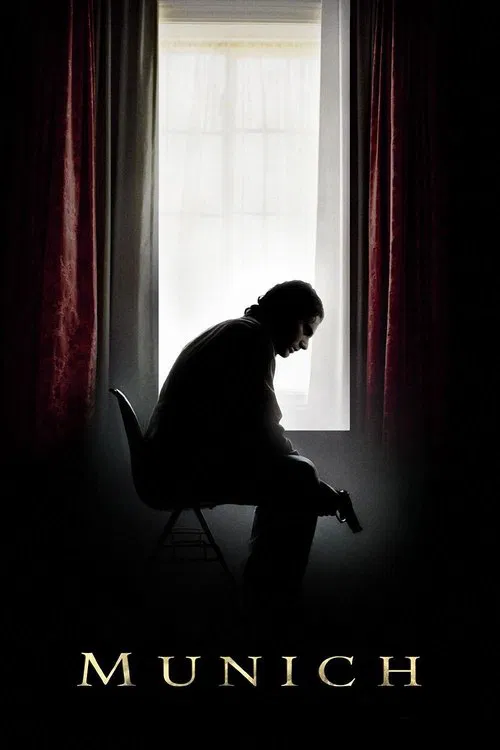
Munich (2005) poster

At a glance

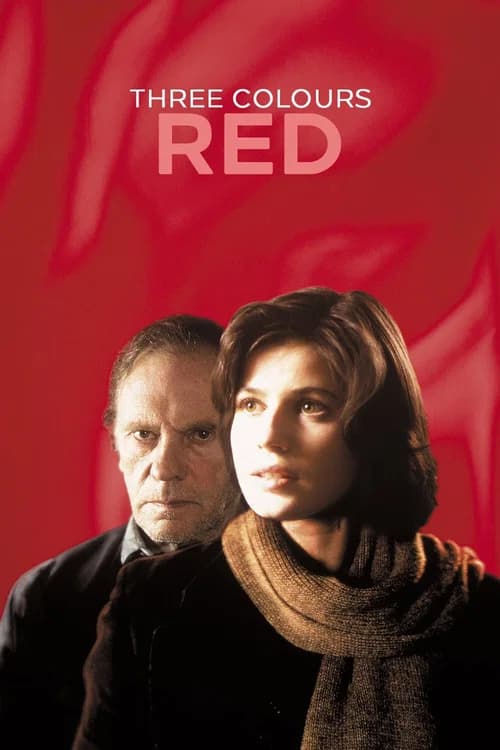
Munich is a 2005 thriller, drama and history film directed by Steven Spielberg. This breakdown covers 4 techniques (2 narrative, 1 cinematography and 1 editing), each with the scene where you can see it. If you like how it is made, Three Colors: Red uses several of the same techniques.

Narrative

Moral Complexity Without Villains

Writing a conflict with no villain whose defeat would fix things. Every side has real reasons, and the harm comes from ordinary people protecting themselves, so nothing resolves cleanly.

How this film uses it

Both sides in the film have people who believe they are right and people who suffer. Avner's team debates whether the targets are guilty and whether the killing will stop anything. Nobody gives a speech that settles the question.

Where to see it

The team's debate: Avner and the others argue over their mission after another killing and ask what it will achieve.
Narrative

Parallel Chronology

Cutting back and forth between 2 timelines, often past and present. Each one helps explain the other as the film goes on.

How this film uses it

The film cuts back to the attack on the Israeli athletes as Avner's mission gets darker. The past keeps intruding on the present. You see the event that set everything off while he sees what it has turned him into.

Where to see it

The final cutaway: Late in the film, scenes from the Munich killings are mixed into Avner's own private moment at home.

Cinematography

Era-Coded Visual Grammar

Changing the color, film texture and camera style for each time period, and using the fashion and architecture of the day. Every era gets its own distinct feel.

How this film uses it

The film looks like a 1970s thriller, with grainy light and slow zooms. The cities, cars and clothes all fit the early 1970s. That look keeps the story grounded in a real time and not in a modern action movie.

Where to see it

The Rome assassination: The team's first target is shot in the lobby of his building in a plain, tense scene.

Editing

Fractured Memory Editing

Cutting between the present and scattered, out-of-order flashbacks, the way a painful memory comes back in pieces. You put the backstory together as the character remembers it.

How this film uses it

Avner is with his wife, but the film keeps showing him the killings from Munich. A private moment gets tangled with violence. You see why he cannot be at peace even when he is safe.

Where to see it

The bedroom sequence: Avner has an intense moment with his wife, and the film cuts between that and the attack on the athletes.

Questions

Munich: quick answers

What filmmaking techniques does Munich use?
CineCode breaks down 4 techniques in Munich (2005): Moral Complexity Without Villains, Parallel Chronology, Era-Coded Visual Grammar and Fractured Memory Editing.
Who directed Munich?
Steven Spielberg directed Munich, released in 2005. CineCode also covers Duel (1971), Jaws (1975), Close Encounters of the Third Kind (1977), 1941 (1979), Raiders of the Lost Ark (1981), E.T. the Extra-Terrestrial (1982).
What films are similar to Munich?
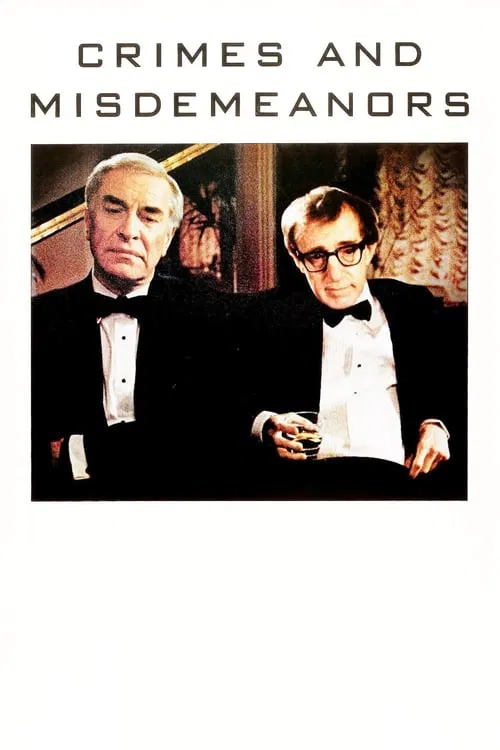
Films that share techniques with Munich include Three Colors: Red (1994), Crimes and Misdemeanors (1989), Wonderstruck (2017), Project Hail Mary (2026).