Drama · Thriller

Safe

Todd Haynes, 1995

A comfortable Los Angeles housewife starts to get sick from ordinary things like exhaust fumes, a perm and a fumigated dry cleaner. Doctors find nothing, so she moves to a desert retreat for people with environmental illness. Watch how far away the camera stays.

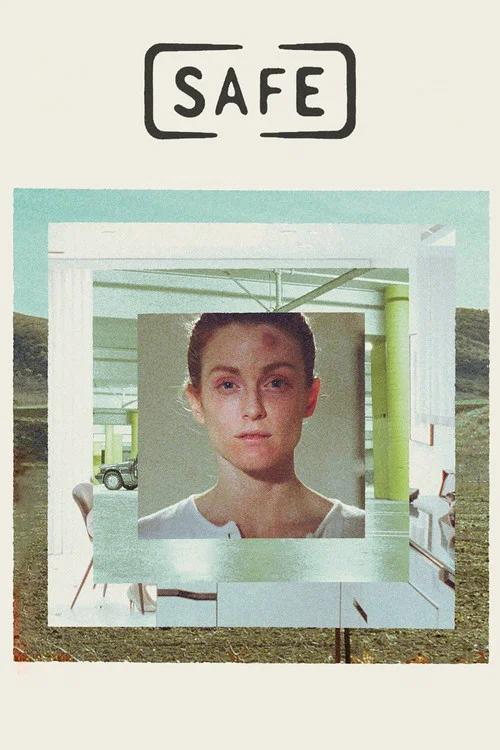
Safe (1995) poster

At a glance

Safe is a 1995 drama and thriller film directed by Todd Haynes. This breakdown covers 4 techniques (2 narrative and 2 psychology), each with the scene where you can see it. If you like how it is made, 28 Years Later: The Bone Temple uses several of the same techniques.

Narrative

Observational Restraint

Watching events from a measured distance with no swelling music, tear-jerking close-ups or showy camera moves. The film trusts what happens to carry the weight on its own.

How this film uses it

Cinematographer Alex Nepomniaschy and Haynes decided never to bring the camera very close to the characters. The distance keeps you from feeling easily sorry for Carol. You watch like someone outside her glass.

Where to see it

The suburban house. Carol's decline at Wrenwood. She develops facial lesions and relies on an oxygen tank, and the camera keeps its distance.


Narrative

Threat in Everyday Settings

Placing a menace in crowded or ordinary places such as streets, parks and suburbs, so ordinary spaces turn unsafe and bystanders offer no protection.

How this film uses it

The danger is in places that should be safe. Carol coughs near truck exhaust, has a panic attack at a baby shower, gets a nosebleed during a perm and collapses at a dry cleaner being fumigated. Nothing in her routine is safe anymore.

Where to see it

The dry cleaner collapse. Carol falls over at a dry cleaner that is being fumigated with pesticides.

Psychology

Cult Structure as Social Horror

Using a cult or closed community, with its ranks, rituals and pressure to obey, as the source of horror. The threat is belonging to the group, with no single monster.

How this film uses it

Wrenwood is a retreat run by self-help author Peter Dunning. It offers belonging, and it also puts the burden of getting well on the patient. The horror is in the soft language.

Where to see it

The Wrenwood retreat. Carol leaves her life behind after seeing an advertisement and joins the community run by Peter Dunning.

Psychology

Safe Space Turned Trap

Making a place built for protection become the thing that confines the hero. The refuge shrinks into a cage, and safety and imprisonment start to feel the same.

How this film uses it

Her house, then the retreat, then an insulated dome each begin as protection. Each one becomes smaller than the last. At the end, her treatment is to look into a mirror and say "I love you" to herself.

Where to see it

The dome. Carol moves into an insulated dome apart from the community and speaks to her reflection in the mirror.

Questions

Safe: quick answers

What filmmaking techniques does Safe use?
CineCode breaks down 4 techniques in Safe (1995): Observational Restraint, Threat in Everyday Settings, Cult Structure as Social Horror and Safe Space Turned Trap.
Who directed Safe?
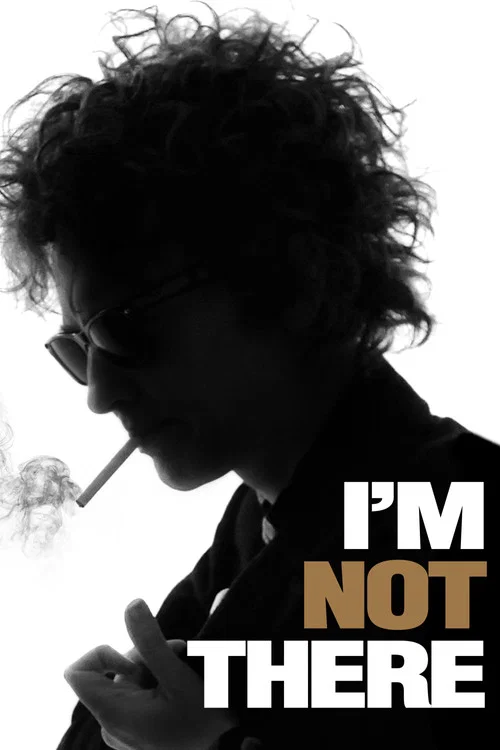
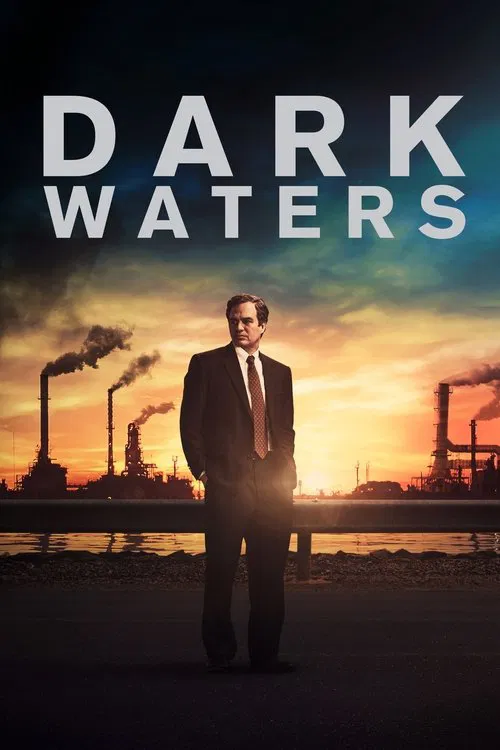
Todd Haynes directed Safe, released in 1995. CineCode also covers Velvet Goldmine (1998), Far from Heaven (2002), I'm Not There (2007), Carol (2015), Wonderstruck (2017), Dark Waters (2019).
What films are similar to Safe?
Films that share techniques with Safe include 28 Years Later: The Bone Temple (2026), The Pianist (2002), Stalker (1979), The Elephant Man (1980).