Comedy · Drama · Romance

You Will Meet a Tall Dark Stranger

Woody Allen, 2010

In London, a divorced couple, their daughter and her husband all chase something new: a fortune teller's promises, a stolen manuscript, a younger wife. Almost nobody ends up happy. Worth watching for how the film spreads one idea, that people need comforting delusions, across several interlocking stories.

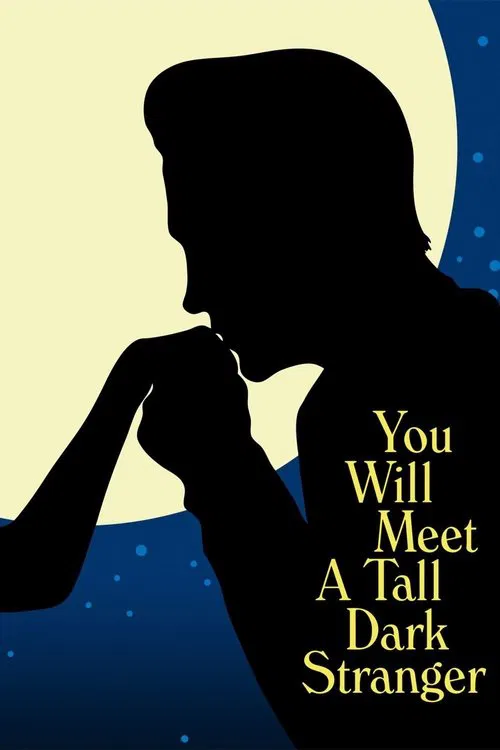
You Will Meet a Tall Dark Stranger (2010) poster

At a glance

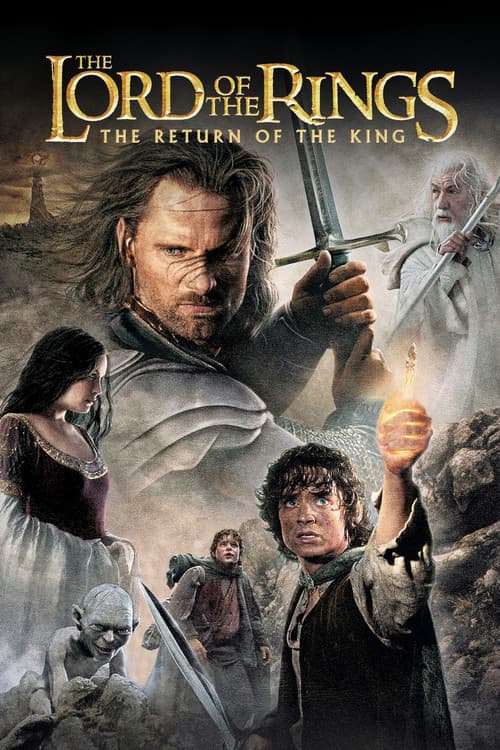
You Will Meet a Tall Dark Stranger is a 2010 comedy, drama and romance film directed by Woody Allen. This breakdown covers 4 techniques (1 psychology, 2 narrative and 1 cinematography), each with the scene where you can see it. If you like how it is made, The Lord of the Rings: The Return of the King uses several of the same techniques.

Psychology

Protective Fiction

Having a character invent and keep up a false version of reality to shield someone they love, or themselves, from a truth too painful to bear. The lie is a way to survive.

How this film uses it

Helena starts seeing the fortune teller Cristal after her divorce and comes to believe in reincarnation. The belief protects her from loneliness. Allen said he was interested in the idea that people need some delusions to keep going. Helena is the only character who ends up content.

Where to see it

The seance. Helena and her new partner Jonathan receive his late wife's blessing, so their romance can go on.
Narrative

Multiple Resolution Structure

Giving the film several endings. They can come one after another to close different emotional threads, or they can conflict and leave you to weigh competing versions.

How this film uses it

Each character gets a separate ending. Alfie and Charmaine fight over whether the baby is his, Sally is furious that Helena won't lend her money, and Roy learns that his friend Henry is alive. Putting these outcomes side by side shows that only Helena has found peace.

Where to see it

The closing run of scenes. Each storyline ends in turn, and everyone is dissatisfied except Helena.

Narrative

Ironic Downfall

Building a plot so that a character's scheme or solution backfires through their own flaw, delivering a fitting and often darkly comic reversal.

How this film uses it

Roy takes his dead friend Henry's manuscript and passes it off as his own. It is a hit, and he leaves Sally for Dia. Then he learns Henry is alive in a coma and recovering. The story hands Roy exactly what he wanted and then pulls the ground out from under him.

Where to see it

The news about Henry. Roy is told there was a mix-up in the accident, and Henry is actually in a coma and recovering.

Cinematography

Window as Framing Device

Using windows between characters to frame looking, longing and distance. The glass keeps people apart while showing them to each other.

How this film uses it

Roy first notices Dia through a window across from his and Sally's flat. His watching starts as an idle fascination and leads to him leaving his marriage. The scene is a small image of how people fall for an idea of someone from a distance.

Where to see it

The window. Roy sees Dia, a musicologist engaged to another man, from his flat, and he starts to fall for her.

Questions

You Will Meet a Tall Dark Stranger: quick answers

What filmmaking techniques does You Will Meet a Tall Dark Stranger use?
CineCode breaks down 4 techniques in You Will Meet a Tall Dark Stranger (2010): Protective Fiction, Multiple Resolution Structure, Ironic Downfall and Window as Framing Device.
Who directed You Will Meet a Tall Dark Stranger?
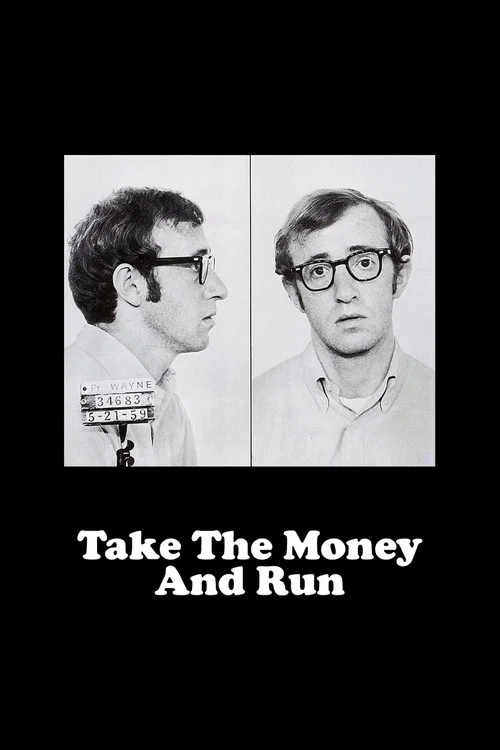
Woody Allen directed You Will Meet a Tall Dark Stranger, released in 2010. CineCode also covers Take the Money and Run (1969), Bananas (1971), Everything You Always Wanted to Know About Sex *But Were Afraid to Ask (1972), Sleeper (1973), Love and Death (1975), Annie Hall (1977).
What films are similar to You Will Meet a Tall Dark Stranger?
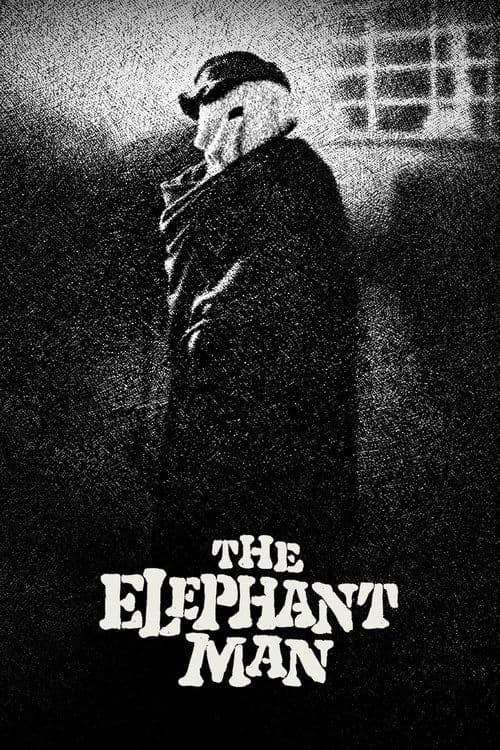
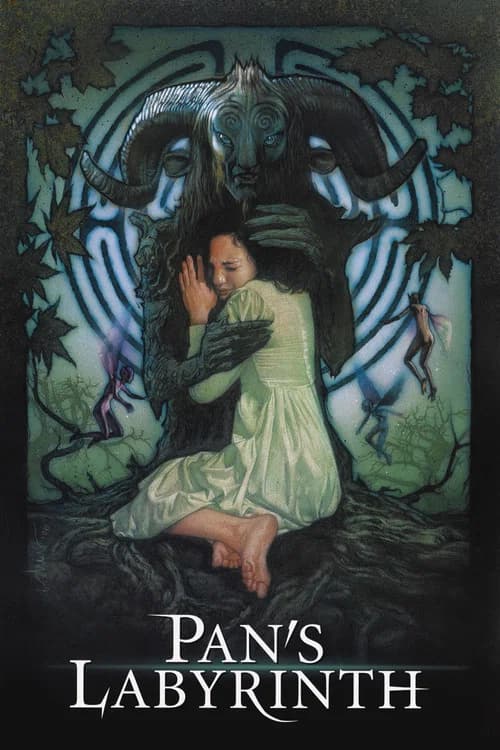
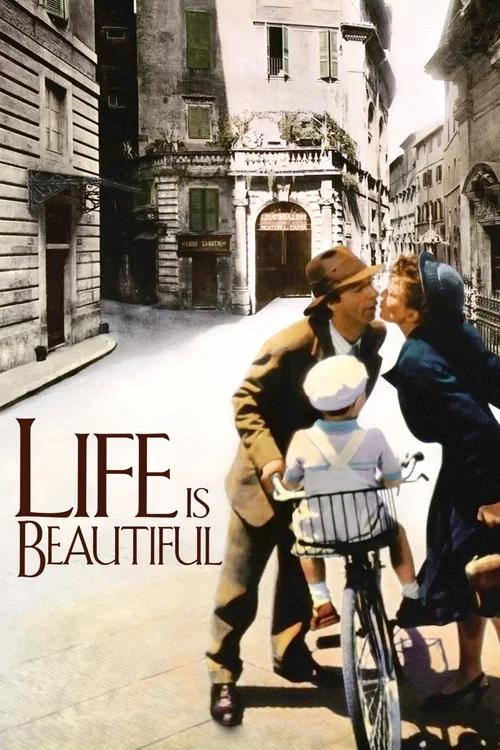
Films that share techniques with You Will Meet a Tall Dark Stranger include The Lord of the Rings: The Return of the King (2003), Life is Beautiful (1997), The Elephant Man (1980), Pan's Labyrinth (2006).