Cinematography technique · used in 8 films

Historical Compositing

Digitally placing a fictional character into real archive footage, or blending actors with rebuilt period sets and backgrounds. It looks as if the character was really there in history.

Examples

8 films that use it

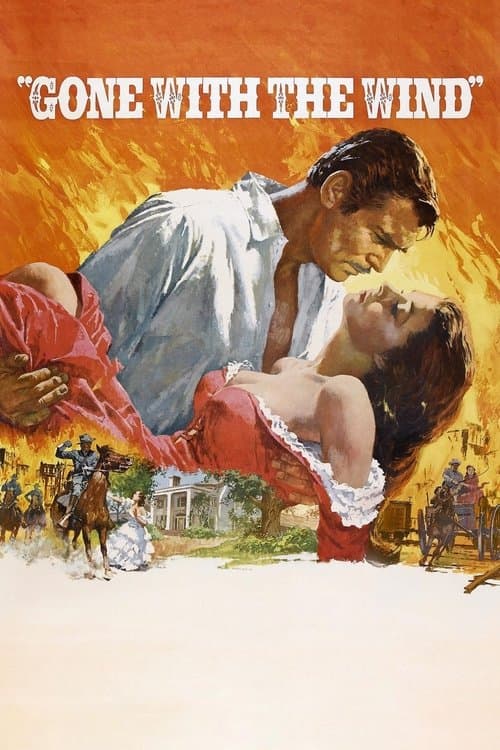
  1. Gone with the Wind (1939) poster

    Gone with the Wind

    Victor Fleming · 1939

    William Cameron Menzies designed the production and Jack Cosgrove did the matte paintings, which are painted backgrounds combined with live footage. Together, they create antebellum Georgia and Civil War Atlanta with enough visual detail that the period feels lived in. The burning of Atlanta sequences combine real fire with full-scale sets. You believe the spectacle of destruction because the production is so big.

    Where to see it: The burning of Atlanta. The real fire from the old RKO sets is combined with the actors' performance. You get to see the historical destruction at full scale.
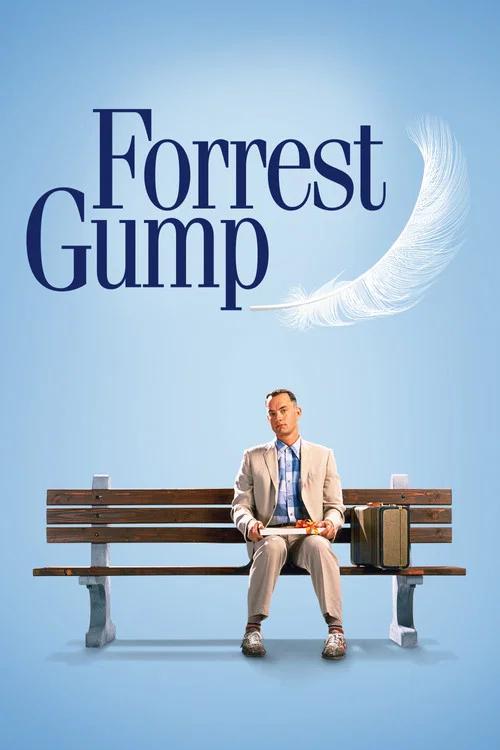
  2. Forrest Gump (1994) poster

    Forrest Gump

    Robert Zemeckis · 1994

    Visual effects supervisor Ken Ralston inserted Tom Hanks into footage of JFK, LBJ, Nixon and John Lennon. He altered the archive footage so Forrest appears to be speaking directly with historical figures. The technique broke new ground for its time, and it required replacing the mouths of the archive subjects with CGI.

    Where to see it: Forrest meeting Presidents Kennedy, Johnson and Nixon. Each time, he is blended seamlessly into the old footage.

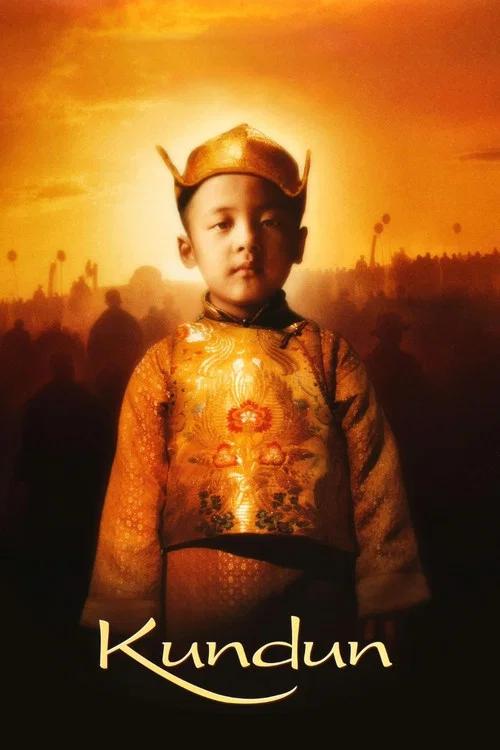
  3. Kundun (1997) poster

    Kundun

    Martin Scorsese · 1997

    The production used 40 matte paintings, a lot compared with the 2 in Casino. Dante Ferretti's sets and the paintings fill in a Tibet that could not be filmed on location. Mixed together, the real and built parts look like one world.

    Where to see it: The Potala Palace: the young Dalai Lama moves with his family into the huge palace in Lhasa.

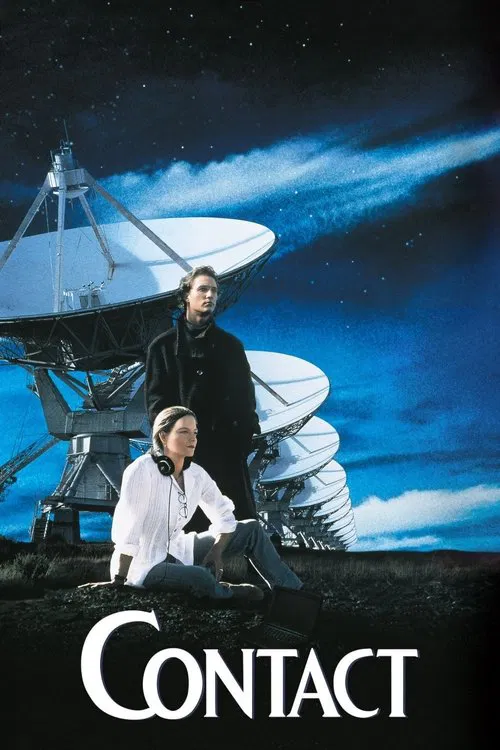
  4. Contact (1997) poster

    Contact

    Robert Zemeckis · 1997

    Real news footage, including Bill Clinton, was digitally altered so he seems to address the alien signal. This makes the story feel like it is happening in the real world. The White House objected to the use.

    Where to see it: The news footage: Archive footage of a real president appears to comment on the signal.

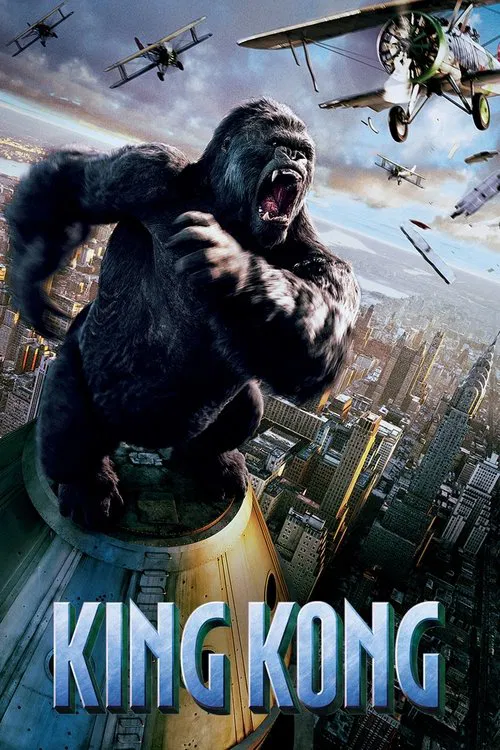
  5. King Kong (2005) poster

    King Kong

    Peter Jackson · 2005

    Weta Digital built a computer version of New York in 1933 and the film blends actors with it. The streets look rebuilt from old photographs, with period fashion and cars. You feel dropped into the Depression, with no sign of the screen.

    Where to see it: Kong in New York: Kong breaks free from a Broadway show and runs through the 1930s streets.

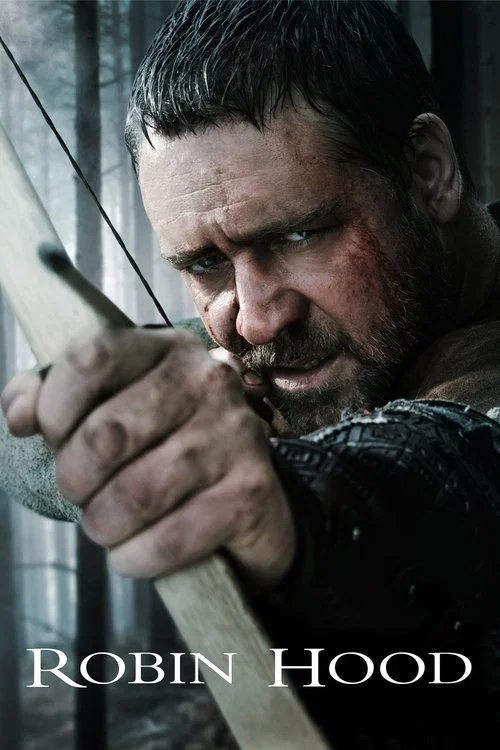
  6. Robin Hood (2010) poster

    Robin Hood

    Ridley Scott · 2010

    The French landing on the beach below the cliffs of Dover mixes 8 real boats and 500 extras with a digital fleet of 200 ships and 6000 soldiers. Cliffs were added to 75 shots, and the medieval city was rebuilt with matte paintings. Real actors stand inside a rebuilt past.

    Where to see it: The Dover beach battle: Robin leads the united English army against the French invasion, and Marian joins the fight with the forest orphans.

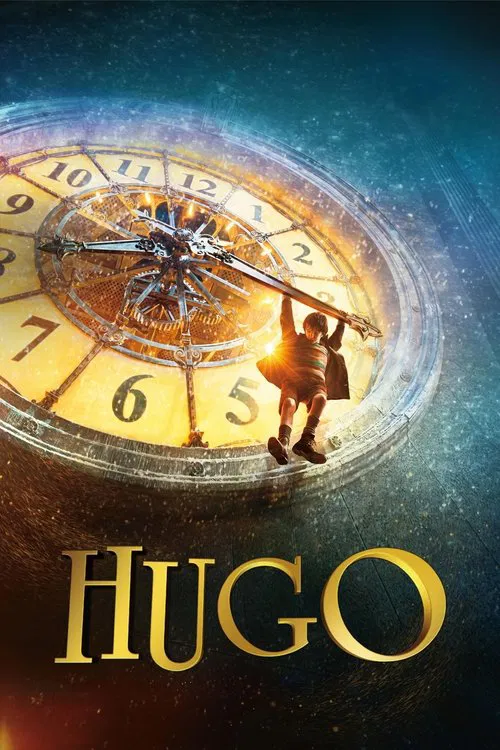
  7. Hugo (2011) poster

    Hugo

    Martin Scorsese · 2011

    Méliès' glass studio was built as a set at Shepperton Studios. Actors then play his crew inside it. The flashbacks look as if the real studio had been filmed in the early 1900s.

    Where to see it: The flashback to Méliès making his films. The glass-walled studio, the painted sets and the stage tricks are staged as they were done.

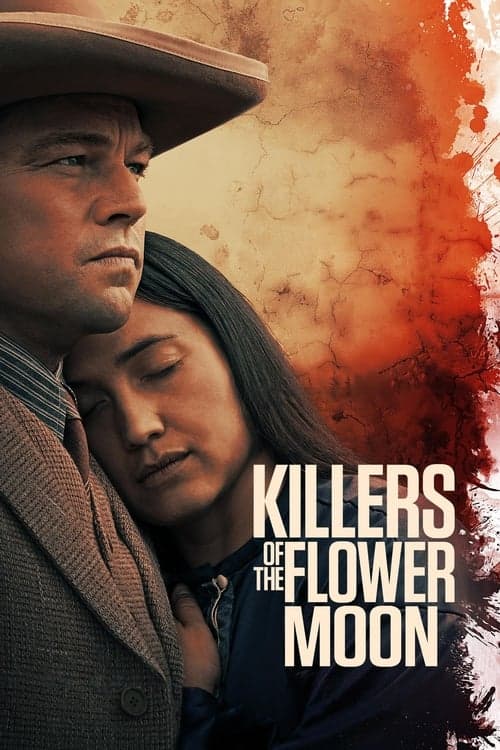
  8. Killers of the Flower Moon (2023) poster

    Killers of the Flower Moon

    Martin Scorsese · 2023

    Scorsese ends the film with a radio drama reenactment as a framing device. He appears in it himself and reads Mollie's real obituary. The film then cuts to an overhead shot of a present-day Osage gathering. The distance between the dramatization and the historical record disappears.

    Where to see it: The closing act's shift into a radio drama format, then into the overhead shot of a present-day Osage dance. It moves from fiction back toward the people who survived what was done.

Questions

Quick answers

What is historical compositing in film?
Digitally placing a fictional character into real archive footage, or blending actors with rebuilt period sets and backgrounds. It looks as if the character was really there in history.
Which films use historical compositing?
Gone with the Wind (1939), Forrest Gump (1994), Kundun (1997), Contact (1997), King Kong (2005), Robin Hood (2010) and 2 more films in the CineCode library.
What kind of technique is historical compositing?
It is a cinematography technique. Related cinematography techniques include Bench as Narrative Stage.