Comedy · Romance · Music

Yesterday

Danny Boyle, 2019

After a worldwide blackout, a struggling singer finds that almost nobody else remembers the Beatles. He starts playing their songs as his own and becomes a star. It is a romantic comedy built on one big what-if, and Boyle keeps the music raw so the songs still carry the story.

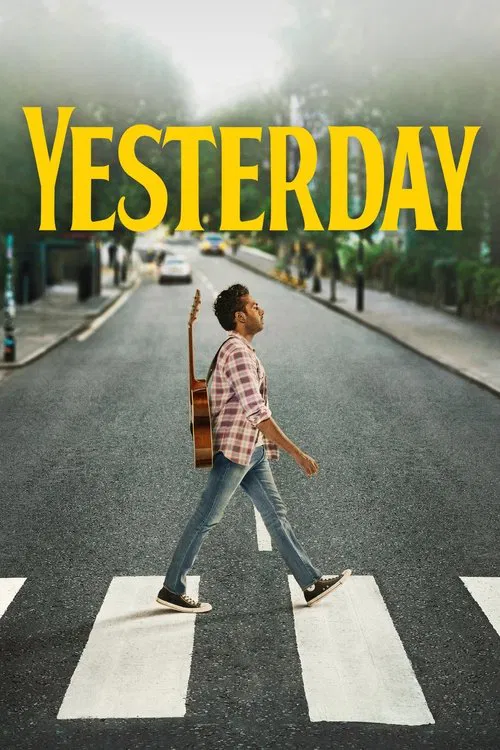
Yesterday (2019) poster

At a glance

Yesterday is a 2019 comedy, romance and music film directed by Danny Boyle. This breakdown covers 5 techniques (3 narrative, 1 sound and 1 psychology), each with the scene where you can see it. If you like how it is made, Ace in the Hole uses several of the same techniques.

Narrative

Counterfactual Narrative

Building the story on a what-if, such as a version of history or of a life that went differently. Seeing the alternative shows you why the real version matters.

How this film uses it

The what-if is simple: a world where the Beatles never existed. Jack searches online and finds nothing, and his record collection has no trace of them. The film keeps asking what a song is worth when nobody remembers where it came from.

Where to see it

The search. Jack looks for the Beatles online, finds no trace and realizes he is in a world where the band never existed.
Narrative

Dramatic Irony

Letting the audience know something a character doesn't. You watch them act without that knowledge, which creates suspense, dread or dark comedy.

How this film uses it

You know 'Yesterday' is a classic, and Jack's friends do not. When he sings it for them, they react as if it were a brand new song. What you know makes the scene funny and a little uncomfortable.

Where to see it

The first performance. After the blackout, Jack sings 'Yesterday' for his friends, and they assume he wrote it.

Sound

Diegetic Musical Performance

Letting characters perform the songs on screen, so the music comes from their own hands and voices. You hear the song and the performer's nerves at the same time.

How this film uses it

Himesh Patel sings the Beatles songs himself, and Boyle wanted a raw, human performance with arrangements that avoid heavy production. That keeps the music close to Jack's small gigs and shaky confidence.

Where to see it

The Wembley Stadium concert. Jack performs for a huge crowd and admits he did not write the songs.

Narrative

Escalating Moral Stakes

Raising the ethical price of winning with each part of the story. Every compromise the characters make leads to a worse one, until they can't go back.

How this film uses it

Jack takes credit for 1 song, then another. A local TV slot leads to opening for Ed Sheeran in Moscow, then a deal in Los Angeles. Each win raises the cost of telling the truth.

Where to see it

The Moscow songwriting duel. Jack beats Ed Sheeran by playing 'The Long and Winding Road', and the lie gets bigger.

Psychology

Guilt as Hidden Motive

Letting a character's guilt over a past wrong shape what they do now. The wrong may come out late or only be hinted at, but it colors every choice.

How this film uses it

Jack cannot enjoy his fame. At EastWest Studios his memory gives out on the lyrics to 'Eleanor Rigby', and the recording he is supposed to love turns into a test he might fail. Relief only arrives when someone else knows the truth.

Where to see it

The backstage fans. Before the rooftop concert, 2 fans who also remember the Beatles tell Jack they know he did not write the songs and thank him for keeping the music alive.

Questions

Yesterday: quick answers

What filmmaking techniques does Yesterday use?
CineCode breaks down 5 techniques in Yesterday (2019): Counterfactual Narrative, Dramatic Irony, Diegetic Musical Performance, Escalating Moral Stakes and Guilt as Hidden Motive.
Who directed Yesterday?
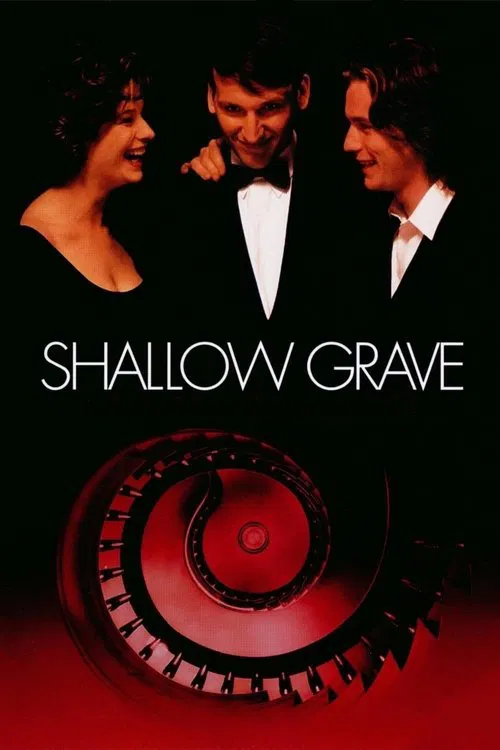
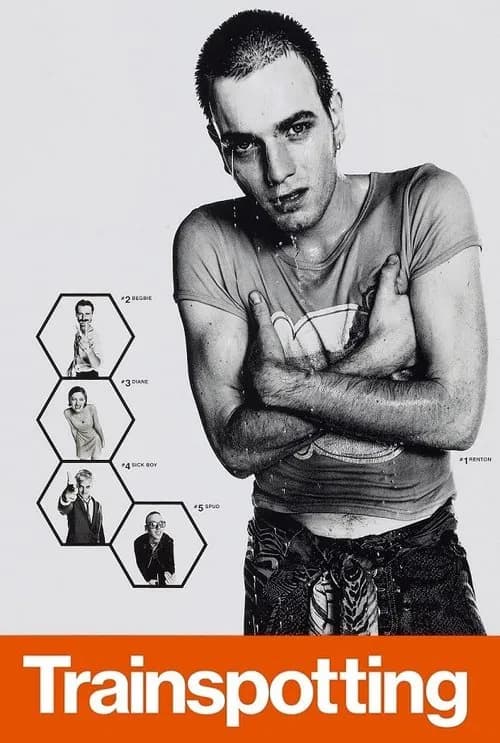
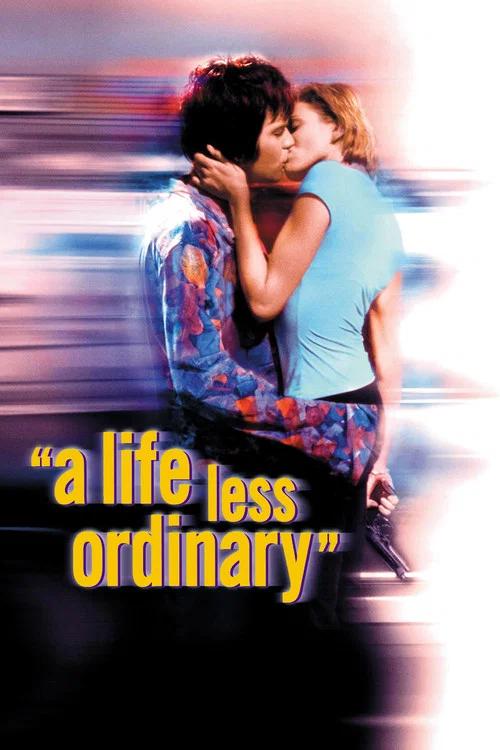
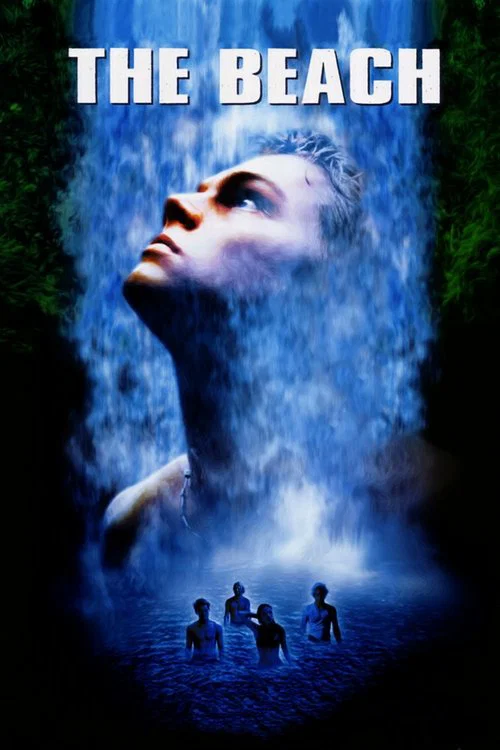
Danny Boyle directed Yesterday, released in 2019. CineCode also covers Shallow Grave (1994), Trainspotting (1996), A Life Less Ordinary (1997), The Beach (2000), 28 Days Later (2002), Sunshine (2007).
What films are similar to Yesterday?
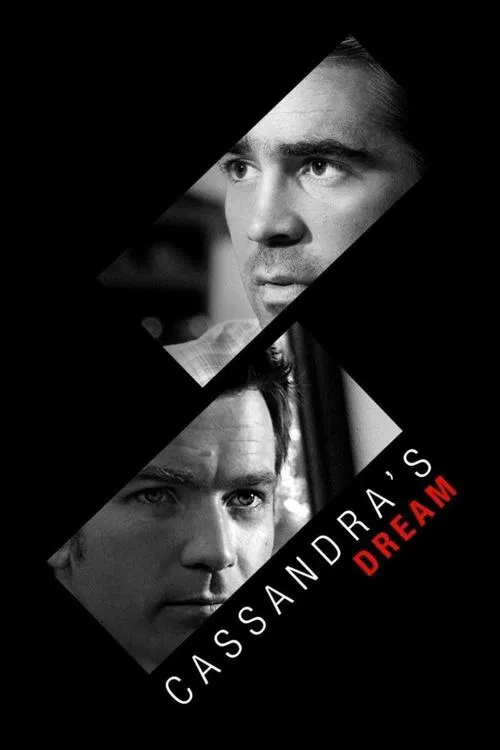
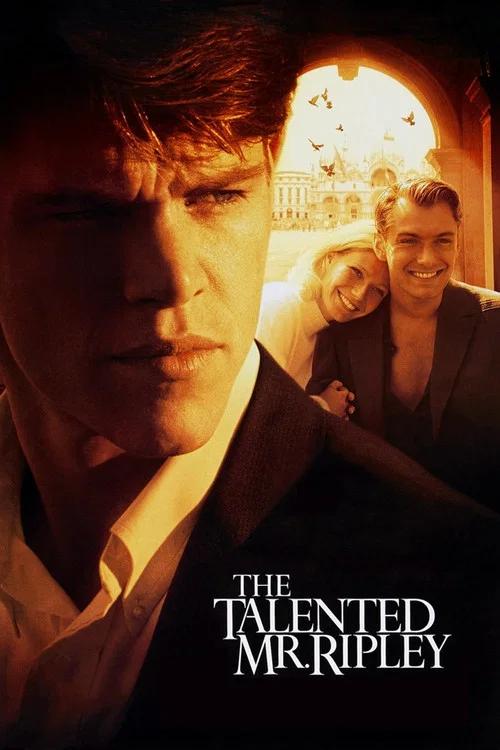
Films that share techniques with Yesterday include Ace in the Hole (1951), Match Point (2005), Cassandra's Dream (2007), The Talented Mr. Ripley (1999).