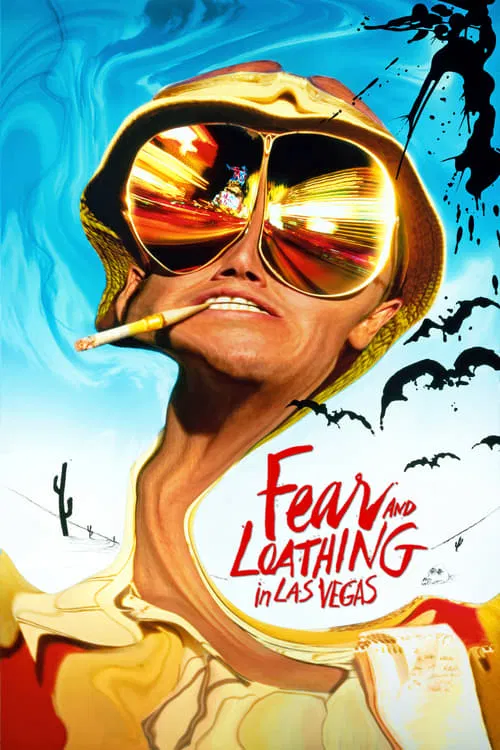
Comedy · Adventure · Drama

Fear and Loathing in Las Vegas

Terry Gilliam, 1998

In 1971, journalist Raoul Duke and his lawyer Dr. Gonzo drive to Las Vegas to cover a motorcycle race with a car full of drugs. The trip turns into a string of hallucinations and wrecked hotel rooms. Watch how Gilliam shows drug distortion through bent angles, warped faces and rooms that fall apart.

Fear and Loathing in Las Vegas (1998) poster

At a glance

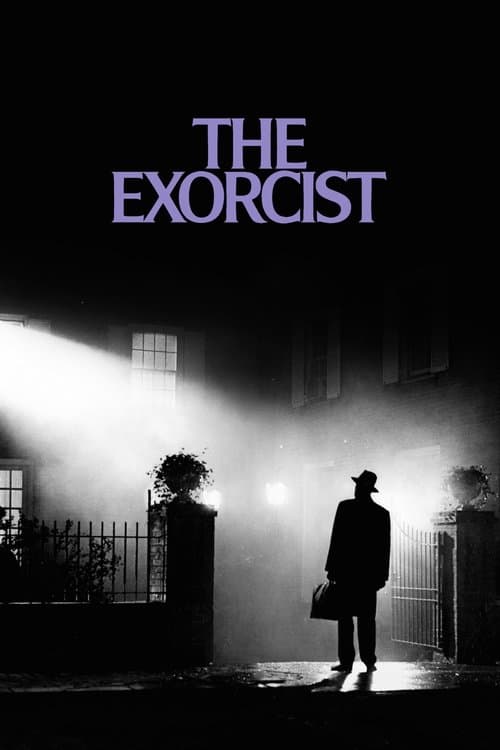
Fear and Loathing in Las Vegas is a 1998 comedy, adventure and drama film directed by Terry Gilliam. This breakdown covers 5 techniques (3 cinematography, 1 narrative and 1 sound), each with the scene where you can see it. If you like how it is made, The Exorcist uses several of the same techniques.

Cinematography

Subjective Camera

Placing the camera where a character's eyes are, or shooting the scene the way that character experiences it. You see and feel things from inside their head.

How this film uses it

When the LSD hits, you see through Duke's eyes. The hotel clerk looks like a moray eel and the bar patrons look like lizards. The film never stops to tell you it is a hallucination, so you sit inside the distortion with him.

Where to see it

The hotel check-in. Duke can barely stand while the clerk turns into an eel and the people at the bar turn into lizards.
Cinematography

Dutch Angle

Tilting the camera sideways so the horizon runs diagonally across the frame. The crooked picture makes a scene feel unstable, uneasy or morally off.

How this film uses it

Gilliam tips the frame constantly, and rooms and faces lean out of true. The slanted picture matches a mind that cannot hold still. It also keeps the comedy from feeling safe.

Where to see it

The hotel room after Gonzo's LSD binge. The frame tilts as Duke takes in the wreckage.

Cinematography

Production Design as Psychological Space

Designing the sets to reflect what is going on inside a character. The place they live in tells you things about them that the dialogue doesn't.

How this film uses it

Their hotel suite fills with trash, spilled food and broken furniture as the trip goes on. The room works like a map of their minds. By the time Duke finds it trashed, the damage shows how far they have lost control.

Where to see it

The trashed hotel room. Duke returns from the casino to find Gonzo, high on LSD, sitting in the bathtub in his clothes and trying to pull a tape player in with him.

Narrative

Picaresque Structure

Telling the story as a loose string of separate adventures, often following a low-status hero through different levels of society. With no single plot, the episodes add up to a portrait of a world.

How this film uses it

Duke and Gonzo lurch from the desert highway to a motorcycle race, a casino circus and a hotel suite. Each stop is a separate episode with new strangers and a new kind of disaster. The pile of episodes paints a portrait of Las Vegas in 1971 and the two men who ride through it.

Where to see it

The Bazooko Circus casino. Duke and Gonzo arrive after mescaline and ether, and Gonzo wants to leave when the chaos scares him.

Sound

Voiceover Narration Device

Using a narrator's voice to guide the story, either as flat documentary report or as a voice that gets interrupted. The narration shapes how much you trust the telling.

How this film uses it

Duke narrates in a fast, dry voice, and he reports the madness the way a reporter would report a news story. The calm tone is funny against the chaos. It also lets you know he is a writer trying to make sense of what he sees.

Where to see it

The desert drive. Duke complains of giant bats and counts off the stash in the trunk, while his voice walks you through the trip.

Questions

Fear and Loathing in Las Vegas: quick answers

What filmmaking techniques does Fear and Loathing in Las Vegas use?
CineCode breaks down 5 techniques in Fear and Loathing in Las Vegas (1998): Subjective Camera, Dutch Angle, Production Design as Psychological Space, Picaresque Structure and Voiceover Narration Device.
Who directed Fear and Loathing in Las Vegas?
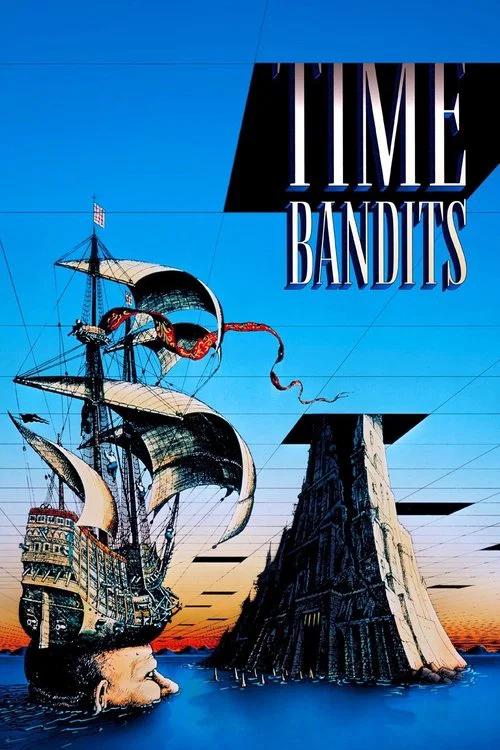
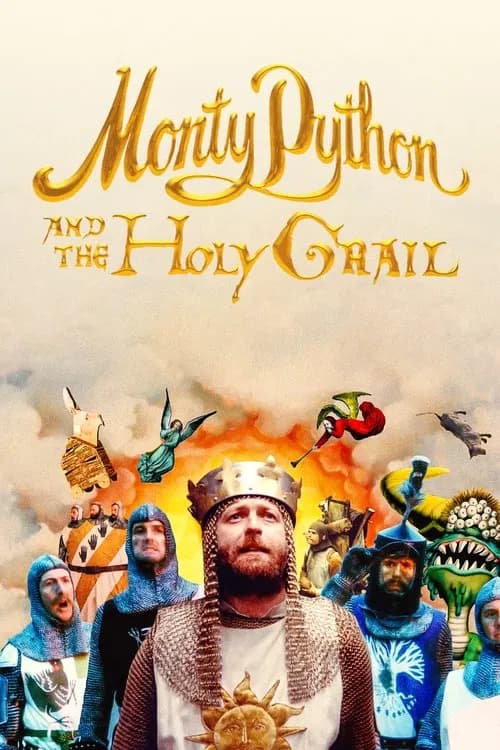
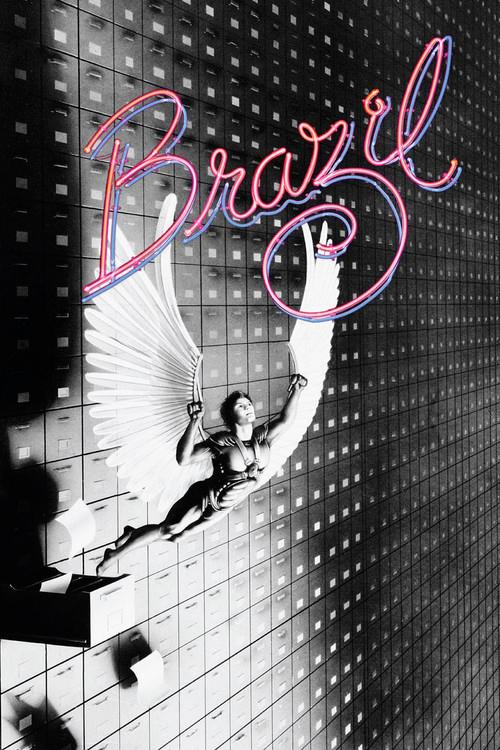
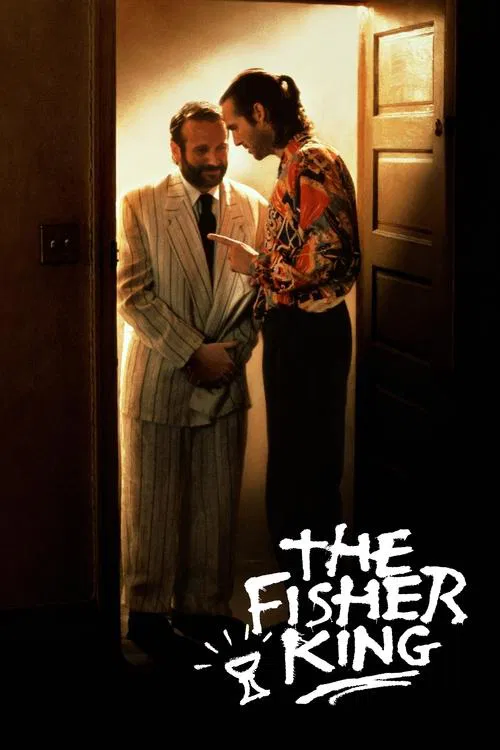
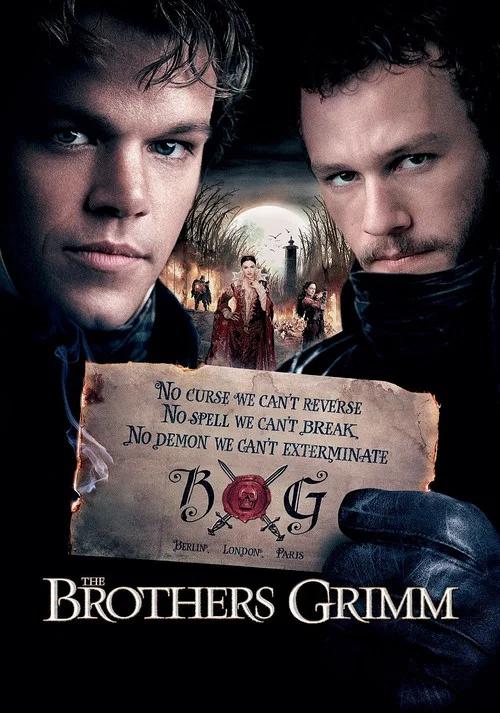
Terry Gilliam directed Fear and Loathing in Las Vegas, released in 1998. CineCode also covers Monty Python and the Holy Grail (1975), Time Bandits (1981), Brazil (1985), The Fisher King (1991), Twelve Monkeys (1995), The Brothers Grimm (2005).
What films are similar to Fear and Loathing in Las Vegas?
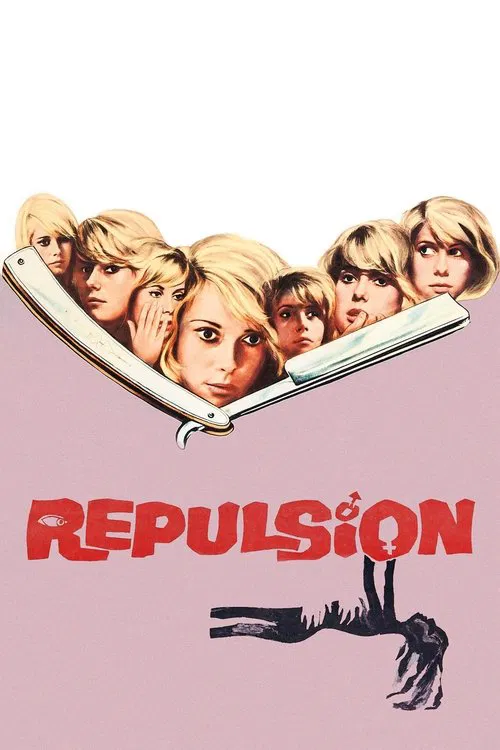
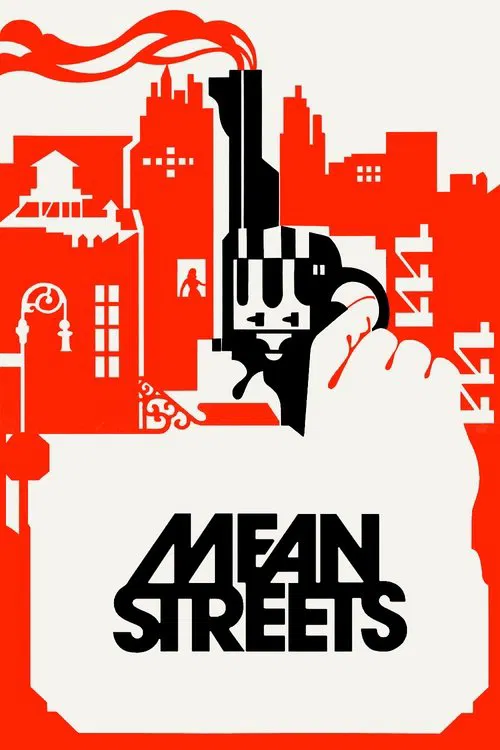
Films that share techniques with Fear and Loathing in Las Vegas include The Exorcist (1973), Mean Streets (1973), Inherent Vice (2014), Repulsion (1965).